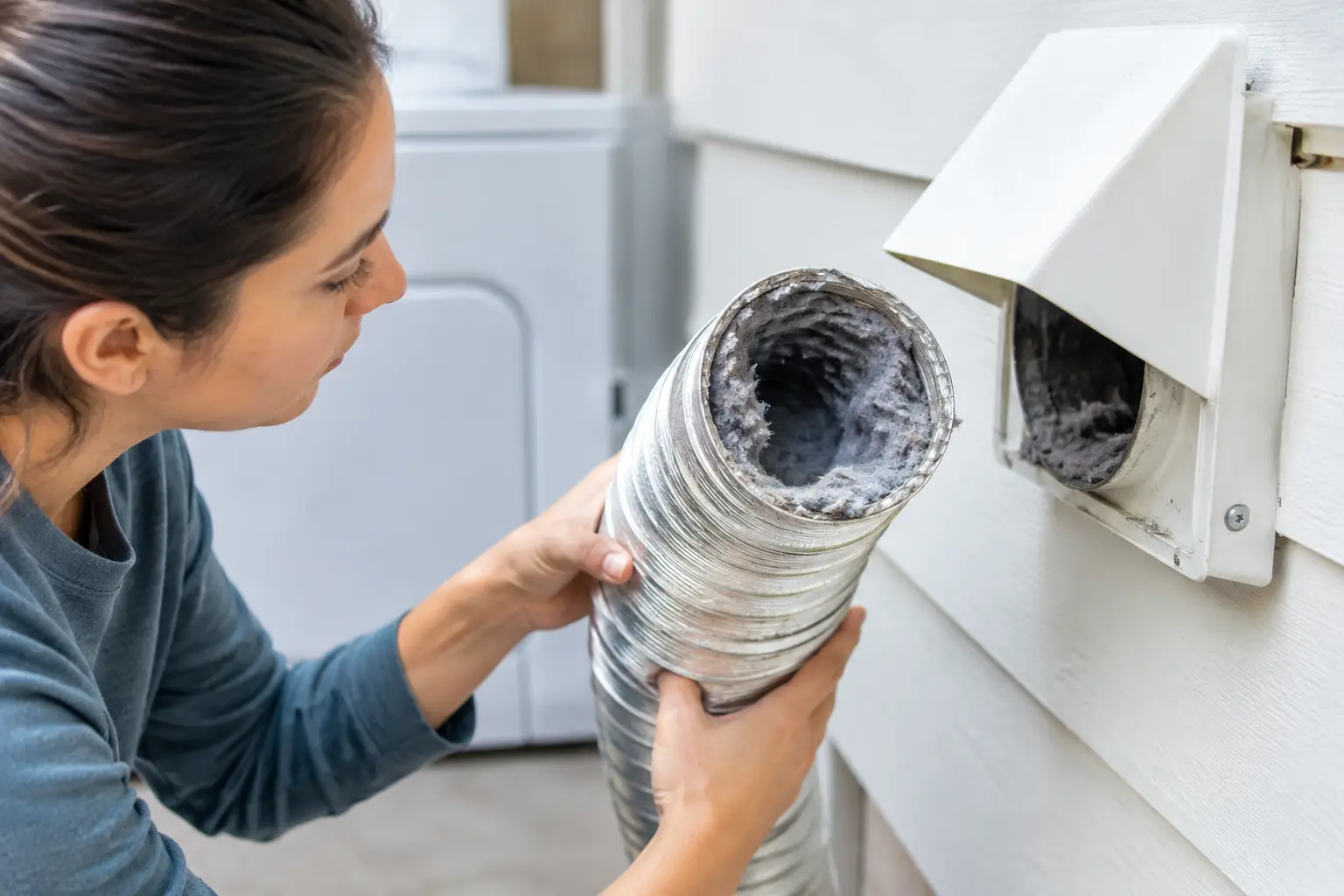
A dryer that needs two or three cycles to finish a normal load is not just frustrating. It can be a sign that lint is restricting airflow somewhere between the appliance and the outdoor vent hood. Understanding dryer vent cleaning cost helps homeowners and property managers act before a small maintenance issue becomes wasted energy, a damaged dryer, or a serious fire risk.
For most homes, professional dryer vent cleaning is a straightforward, affordable preventive service. The final price, however, depends on the vent system itself: how far it travels, how easily technicians can reach it, how much lint has collected, and whether the system has damage or improper materials that need attention.
Typical Dryer Vent Cleaning Cost
A routine professional dryer vent cleaning commonly falls in the range of about $100 to $250. A short, accessible vent with a light to moderate amount of lint is usually near the lower end. A longer run, roof termination, difficult access point, or heavy blockage can raise the price.
That range is useful for planning, but an unusually low advertised price does not always tell the whole story. Some offers cover only a basic cleaning and add charges once the technician arrives for length, access, or heavy buildup. A trustworthy provider should explain what the service includes and discuss any additional work before moving forward.
For a local property owner, the right question is not simply, “What is the cheapest dryer vent cleaning?” It is whether the service includes a proper inspection, removal of lint throughout the run, attention to the exterior termination, and a clear explanation of any safety concerns found along the way.
What Changes the Price of Dryer Vent Cleaning?
No two dryer vent systems are exactly alike. A ground-level exterior vent behind a first-floor laundry room is very different from a long vent routed through walls, ceilings, an attic, or a roof. These differences affect the time, equipment, and safety precautions needed to clean the line thoroughly.
Vent length and turns
Lint does not move easily through long duct runs or sharp bends. Each turn can slow airflow and create another place for lint to settle. A vent that runs a short distance straight to an exterior wall is typically quicker to clean than one that winds through multiple levels of the home.
Longer systems may require specialized rotary brushes, high-powered vacuum equipment, or cleaning from more than one access point. They take more time, and that can affect the dryer vent cleaning cost.
Where the vent exits the building
The location of the exterior vent hood matters. A first-floor wall vent is generally simple to reach. A vent that exits through a second-story wall, attic, or roof may require ladders, additional setup, and more careful work to protect the property and the technicians.
Roof-vented dryer systems deserve particular attention. They can be harder for homeowners to inspect, which means lint buildup may go unnoticed longer. Birds, insects, leaves, and snow exposure can also interfere with the exterior termination.
Amount and type of buildup
Fresh lint is usually easier to remove than lint that has been packed into the duct by years of restricted airflow. Moisture can make lint clump together, especially when the dryer is venting poorly. In some cases, technicians may find pet hair, nesting material, construction debris, or a disconnected duct section in addition to normal laundry lint.
A heavily blocked vent may take longer to clear safely. It may also reveal why the dryer has been overheating, running longer, or leaving clothes damp after a full cycle.
Access to the dryer and ductwork
A dryer squeezed into a tight closet, located on an upper floor, or installed behind a finished wall can make the work more involved. Technicians need safe access to the dryer connection as well as the exterior outlet. If moving the appliance requires extra care because of gas connections, stacked units, or limited space, the appointment may take more time.
Property managers should also consider access logistics for occupied units. Coordinating entry, parking, and exterior access can help the service go smoothly and avoid delays.
Repairs or corrections found during inspection
Cleaning and repair are not the same service. A professional cleaning may uncover crushed flexible ducting, loose connections, a damaged exterior hood, missing vent covers, or materials that do not meet current safety recommendations. These conditions can restrict airflow even after lint is removed.
Any needed repair should be explained separately, with clear pricing and a reason for the recommendation. Replacing unsafe or damaged sections can add to the visit, but it can also help prevent repeat clogs and protect the dryer from unnecessary strain.
Why Professional Cleaning Is Worth the Investment
Dryer lint is highly combustible. When airflow is restricted, heat can build up inside the dryer and vent system. Cleaning the lint screen after every load is essential, but it does not remove lint that collects deeper in the transition hose, ductwork, or exterior vent hood.
A thorough professional service is designed to remove that hidden buildup. It can also identify warning signs that are easy to miss from inside the laundry room, such as a blocked flap, disconnected duct, or vent line that is not exhausting outdoors as it should.
There is an efficiency benefit, too. When the dryer can exhaust warm, moist air properly, clothes often dry in less time. Shorter cycles can reduce energy use and lessen wear on the appliance. For families doing frequent laundry, landlords managing several units, or businesses with regular towel and uniform loads, that difference can add up.
At Bob’s Air Duct, the goal is not merely to clear a visible clump of lint. It is to provide a careful cleaning and inspection that supports safer operation, dependable performance, and greater peace of mind.
Signs It Is Time to Schedule Service
You do not have to wait for a complete blockage to arrange dryer vent cleaning. Pay attention when normal loads take longer to dry, the dryer or laundry room feels unusually hot, or a burning smell appears during operation. Excess lint around the dryer, little or no airflow at the exterior hood, and a vent flap that does not open are also reasons to have the system checked.
For most households, annual dryer vent cleaning is a sensible starting point. Homes with large families, pets, frequent laundry loads, long vent runs, or roof exits may benefit from more frequent inspection. The right interval depends on how much the dryer is used and how quickly lint accumulates in that specific system.
How to Get a Clear, Fair Quote
Before booking, provide as much information as you can about your dryer setup. Mention whether the laundry room is on the first floor, upstairs, in a basement, or in a tight closet. If you know where the vent exits the home, share that as well. Photos can sometimes help a provider understand access conditions before the appointment.
Ask what the quoted service includes. A clear answer should cover cleaning the dryer connection and vent line, checking the exterior outlet, and discussing any issues found. If your vent is long, roof-terminated, or showing severe warning signs, ask whether those conditions may affect the price.
The lowest quote may not be the best value if it leaves lint behind or does not address an obvious airflow problem. Choose a local provider that respects your home, uses appropriate equipment, communicates clearly, and focuses on doing the job thoroughly.
A dryer vent is easy to forget because most of it sits out of sight. Keeping it clean is one practical way to protect your home, improve drying performance, and give your family one less safety concern to carry.