A musty odor that appears the moment your heat or air conditioning starts is more than an annoyance. It can be one of several mold in air vents symptoms worth taking seriously, especially when the smell returns after cleaning the room or replacing an air filter. Your HVAC system moves air through much of your property, so a moisture-related issue inside or near the ductwork deserves a careful, practical response.
Mold is not always visible from a vent cover, and many household concerns can look similar at first. Dust, dirty filters, pet dander, a clogged condensate drain, and even outdoor humidity can affect indoor comfort. The goal is not to guess. It is to recognize the warning signs, address moisture at its source, and have the system inspected when the evidence points to a duct or HVAC concern.
Mold in Air Vents Symptoms to Watch For
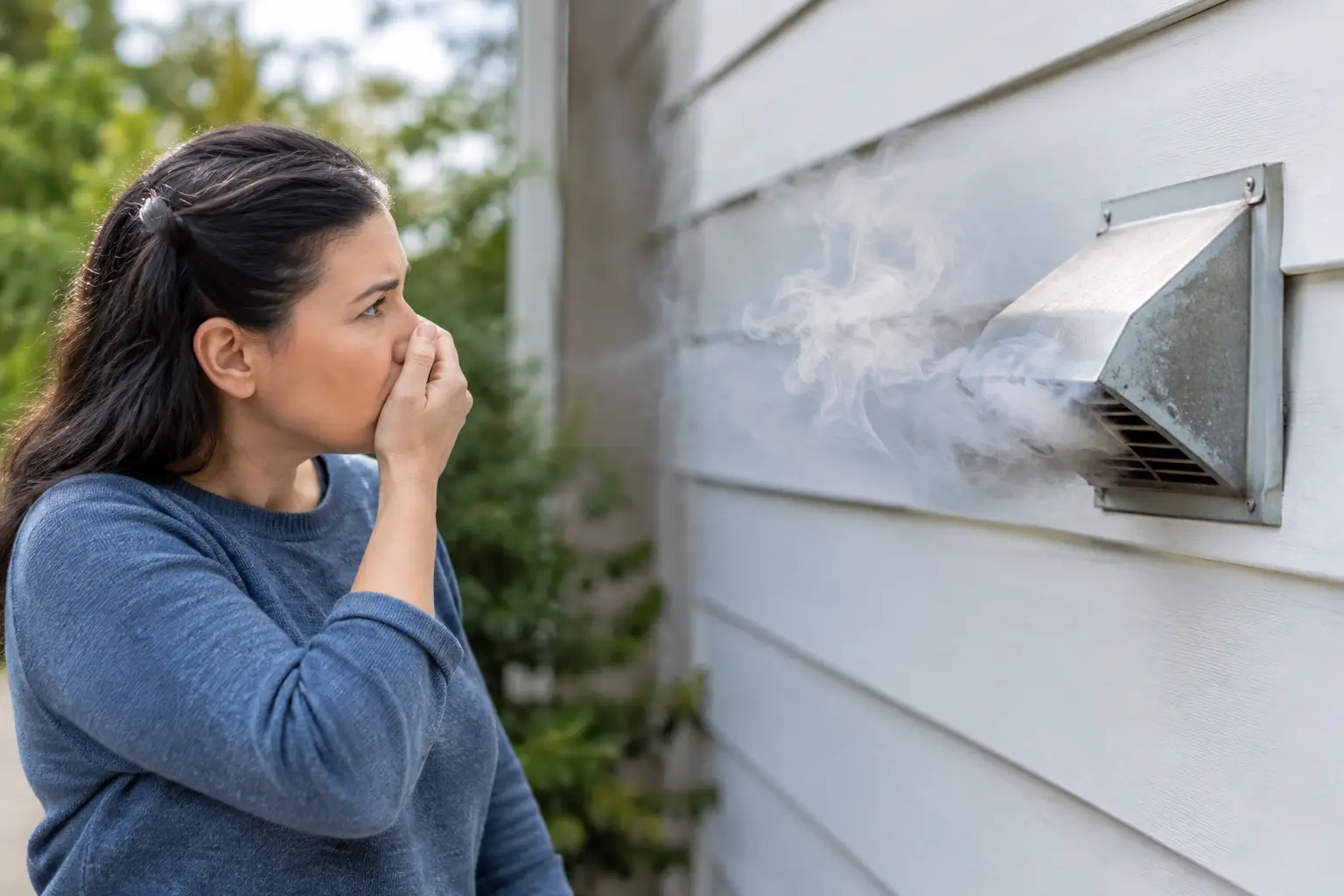
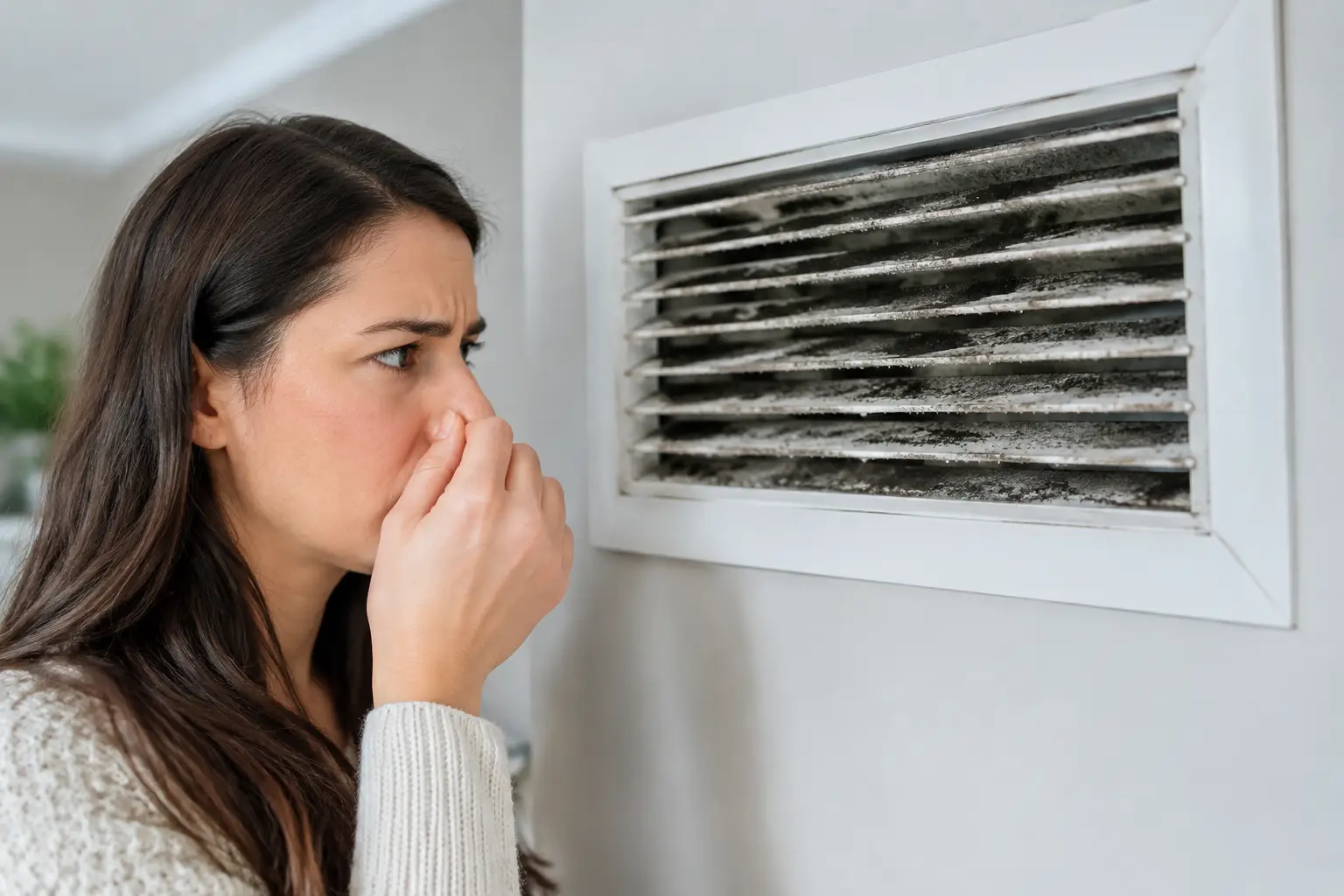
A persistent earthy or mildew-like smell when the system cycles on is one of the most common signs homeowners notice. The odor may be stronger in one room, after the system has been off for several hours, or during humid weather. A temporary room deodorizer may cover it, but it will not correct the moisture or contamination causing it.
Visible spotting around supply registers, return grilles, or inside accessible portions of a vent can also raise concern. Mold can appear black, green, gray, white, or brown, but color alone cannot identify what it is. Dust and residue can look similar, which is why a trained inspection is more useful than trying to diagnose growth by appearance alone.
Some residents also notice more coughing, sneezing, stuffiness, throat irritation, or watery eyes while spending time indoors. These symptoms have many possible causes, including seasonal pollen, pets, dust, and ordinary respiratory illnesses. Still, if discomfort seems worse when the HVAC is operating and improves away from the building, the indoor environment should be evaluated.
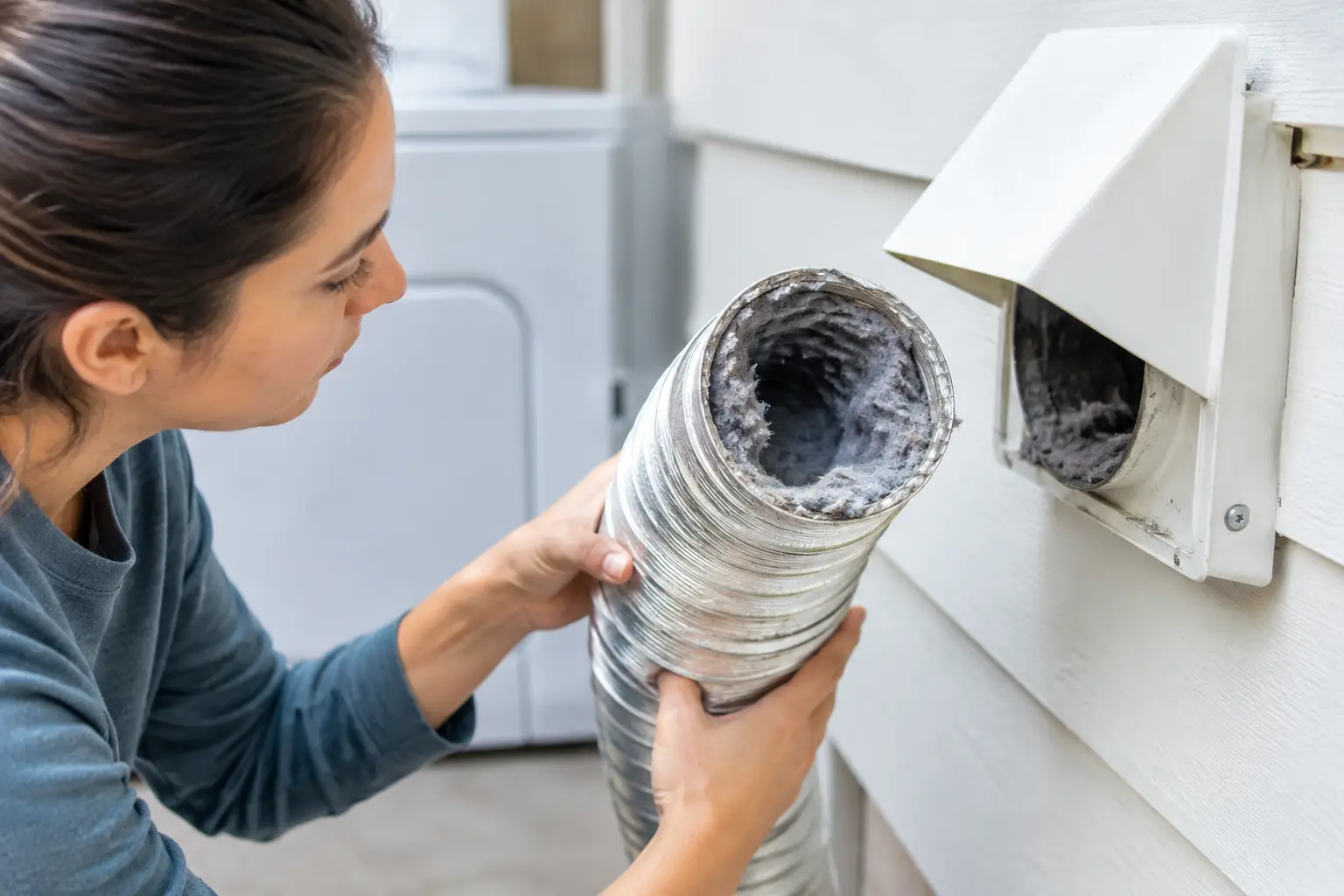
Other clues can include unusually fast dust buildup, damp areas near air-handling equipment, water staining around vents, or repeated filter clogging. These signs do not automatically mean mold is inside every duct. They do tell you that moisture, airflow, filtration, or maintenance may need attention.
Why Mold Can Develop Around Ductwork
Mold needs moisture and a surface with material it can use as a food source. Duct surfaces themselves are not usually the main food source, but accumulated dust, debris, insulation, and organic particles can support growth when moisture is present.
In Maryland homes and businesses, condensation is a frequent contributor. Cool air moving through improperly insulated ductwork can create moisture in humid conditions. A leaking duct, roof leak, plumbing issue, wet basement, poorly drained air conditioner, or oversized HVAC system can also introduce or retain moisture where it does not belong.
The indoor coil and condensate system deserve attention as well. Air conditioners remove moisture from the air, and that water must drain properly. If a drain pan or condensate line is blocked, water can collect near HVAC components and create conditions that need prompt correction.
A dirty air filter does not cause mold by itself, but it can reduce airflow and allow more dust to settle within the system. Likewise, routine duct cleaning is not a substitute for repairing a leak or controlling humidity. The lasting fix always includes stopping the moisture source first.
What to Do When You Notice a Musty Vent Odor
Start with a simple, safe check. Replace the HVAC filter if it is overdue, using the filter type recommended for your equipment. Look around accessible registers and the indoor unit for standing water, obvious staining, or signs of a condensate problem. If you see water near electrical equipment or suspect an active leak, turn off the system if it is safe to do so and arrange service promptly.
Avoid spraying bleach, fragrance products, or store-bought mold treatments into vents. These products may leave residue, irritate occupants, damage some materials, or hide the smell without resolving the cause. Do not reach deep into ductwork with household tools, either. Flexible duct, internal insulation, and HVAC components can be damaged easily.
If the odor persists, visible residue keeps returning, or anyone in the building has heightened sensitivity to indoor air irritants, schedule a professional inspection. A qualified technician can examine accessible ductwork, registers, the air handler, coils, drain components, and signs of moisture intrusion. Depending on what is found, the appropriate next step may be source repair, HVAC service, targeted cleaning, remediation by a mold specialist, or a combination of services.
Cleaning Is Helpful, but Source Control Comes First
Professional air duct cleaning can remove accumulated dust, debris, and mold-related contaminants from an affected system when cleaning is appropriate. The work should involve more than a quick vacuum at the vent opening. Thorough service uses specialized equipment to contain and remove debris while protecting the home or business.
But cleaning a duct system before correcting a leak, drainage issue, or high-humidity condition can lead to the same problem returning. This is the trade-off many property owners miss: the cleanest ducts cannot stay clean if water continues entering the system.
For a home with an isolated dampness issue, repairs and cleaning may be straightforward. For extensive visible growth, wet insulation, contaminated porous materials, or a large ongoing water problem, a dedicated mold remediation professional may be necessary. The right scope depends on where the material is located, how much area is affected, and whether moisture has spread beyond the HVAC system.
Protecting Your Family, Tenants, and HVAC Equipment
Preventive maintenance is usually less disruptive than responding after odors and moisture become obvious. Keep supply and return vents clear of furniture and boxes so air can move freely. Change filters on a schedule that matches your household, pets, equipment, and filter manufacturer guidance. Have air conditioning drainage and HVAC performance checked before small moisture issues become bigger repairs.
Humidity also matters. Many properties are most comfortable when indoor relative humidity stays roughly between 30% and 50%, though the ideal setting can vary with the season and building conditions. If rooms feel clammy, windows frequently sweat, or basement air smells damp, a dehumidification or ventilation solution may be part of the answer.
Landlords and small-business property managers should respond quickly to reports of musty odors, water stains, or recurring respiratory complaints. A documented inspection and timely repair protect occupants, preserve the building, and can prevent a manageable issue from spreading through multiple spaces.
For homeowners in Mt. Airy and nearby communities, Bob’s Air Duct can help assess duct cleanliness and ventilation concerns with respectful, thorough service. An inspection provides a clearer path forward than assuming every odor is mold or trying to clean a hidden system without the right equipment.
When to Make the Call
Arrange a professional evaluation soon if you have a persistent musty odor when the HVAC runs, visible suspicious material around vents or equipment, water near the air handler, repeated condensation, or symptoms that seem linked to time spent in the building. Call more urgently after flooding, a major leak, or a prolonged HVAC drainage failure.
A clean-smelling, well-maintained ventilation system supports more than comfort. It helps protect the equipment that heats and cools your property, reduces the spread of settled debris, and gives the people inside a better chance to breathe easy. When something does not smell right, treating it early is a practical act of care for your property and everyone who uses it.