A reception area can look spotless while its HVAC system is moving months of dust, construction debris, pollen, and other buildup through the building. Commercial air duct cleaning addresses what employees, customers, tenants, and visitors cannot always see: contaminants collecting inside the ductwork that serves your workspace.
For small-business owners and property managers, this is not just a housekeeping task. Clean ductwork can support better HVAC performance, help control dust and odors, and protect the equipment your building depends on through every Maryland heating and cooling season.
Why Commercial Air Duct Cleaning Matters
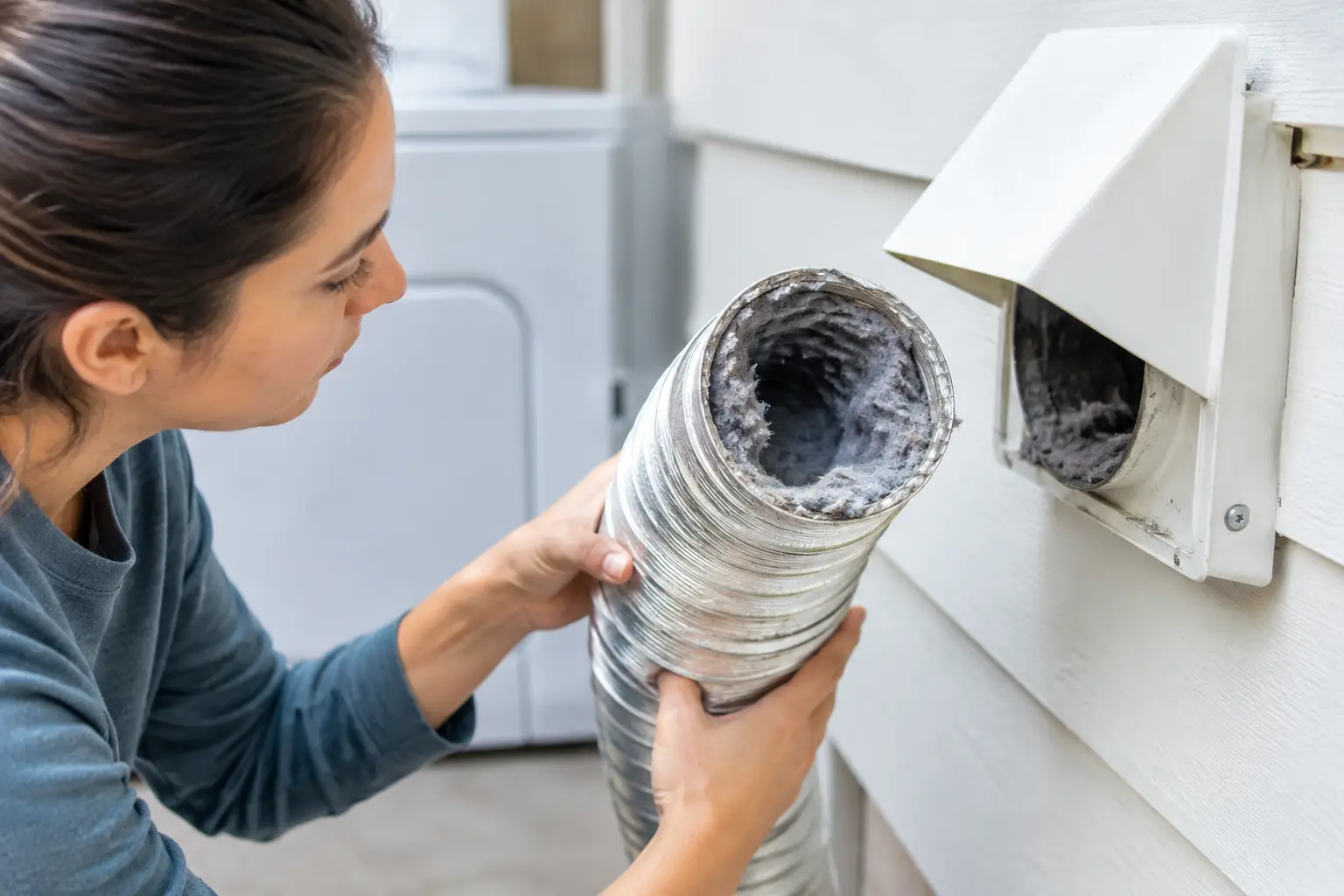
Your HVAC system circulates air repeatedly throughout the day. Along with that air comes the material already present inside the building: dust from foot traffic, outdoor pollen, pet hair in pet-friendly businesses, fibers from carpet and upholstery, and particles created during renovations or repairs. Some settles in the ductwork, especially when filters are overdue for replacement or the system has been exposed to a heavy source of debris.
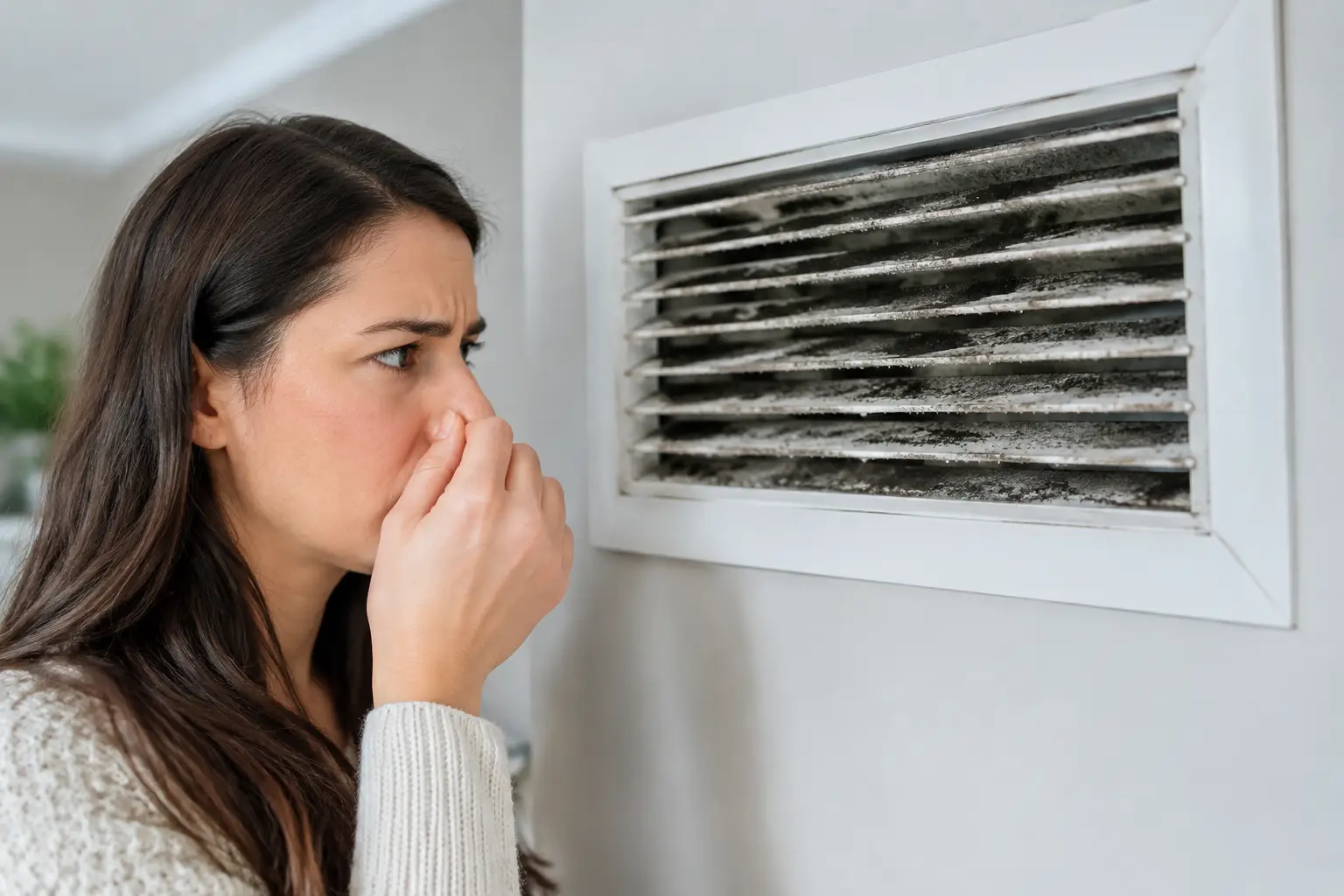
Over time, that buildup can affect more than appearance. Dust may return quickly after cleaning offices or common areas. Occupants may notice stale or musty odors when the system starts. Supply vents can look dirty, and the HVAC system may need to work harder to maintain comfortable temperatures.
Duct cleaning is not a substitute for routine filter changes, HVAC repairs, moisture control, or housekeeping. It is one part of a sensible maintenance plan. But when contamination is present, a thorough cleaning gives the system a cleaner path for moving conditioned air.
Buildings That Often Benefit Most
Any commercial space can accumulate duct debris, but some situations call for closer attention. Restaurants, salons, day care facilities, medical and dental offices, retail stores, fitness studios, churches, rental properties, and office buildings all have different sources of airborne particles and different occupancy patterns.
A newly renovated suite also deserves special consideration. Drywall dust, sawdust, insulation particles, and other construction debris can enter vents even when contractors make a careful effort to contain the work area. Before employees or tenants move back in, an inspection can help determine whether the HVAC system needs professional cleaning.
Signs Your Building May Need Duct Service
A visual inspection is the best way to confirm conditions inside a system, but several signs can tell you it is time to schedule one. Pay attention if you notice four or more of the following concerns:
- Dust builds up rapidly on desks, shelving, registers, or window sills.
- A persistent odor becomes more noticeable when heating or cooling begins.
- Employees or tenants report uneven airflow or rooms that are difficult to heat or cool.
- Visible debris, dark dust, or foreign material appears around supply and return vents.
- Recent remodeling, water damage, pest activity, or a long vacancy has affected the property.
These signs do not always mean the ducts are the only issue. Weak airflow, for example, may point to a filter problem, damaged ductwork, a blower issue, or incorrect system sizing. A dependable service provider should inspect the situation rather than promise that one service will solve every comfort concern.
What a Thorough Commercial Air Duct Cleaning Includes
Quality work begins with an assessment of the HVAC system, accessible ductwork, supply and return registers, and visible areas of concern. The technician should explain what is found and provide clear recommendations based on the building’s layout, system type, and level of buildup.
During cleaning, specialized equipment is used to loosen and capture dust and debris from the duct system. Registers, grilles, return areas, and accessible components may also be cleaned as appropriate. Professional containment and powerful vacuum collection matter because the goal is to remove debris from the system, not simply push it farther through the building.
The exact scope depends on the property. A small office with one rooftop unit is different from a multi-tenant building with several air handlers, long duct runs, or hard-to-access areas. If mold-like growth or moisture is suspected, the underlying water source must be addressed. Cleaning without correcting moisture conditions can allow the problem to return.
At Bob’s Air Duct, the focus is on thorough, respectful service and straightforward communication, so property decision-makers understand what is being cleaned and why it matters.
What Cleaning Should Not Look Like
Be cautious with unusually low quotes that offer a whole-building cleaning without asking about square footage, HVAC units, vent counts, or access. Commercial duct systems vary too widely for meaningful pricing without basic details.
You should also be wary of claims that duct cleaning will cure every allergy issue, eliminate all odors, or dramatically reduce utility costs in every building. Results depend on the condition of the ducts, the age and performance of the equipment, filter maintenance, occupancy, and other indoor air factors. Honest guidance is a better sign of quality than a sweeping promise.
The Business Benefits of Clean Ductwork
The first benefit many managers notice is a cleaner-looking workplace. When less settled debris is recirculating from the system, routine dusting may become more manageable. This is particularly valuable in customer-facing spaces where counters, displays, and waiting areas need to look cared for throughout the day.
HVAC efficiency is another practical consideration. Heavy debris on components or restricted airflow can add strain to a system, although duct cleaning alone is not a guaranteed energy fix. When it is paired with proper filter replacement, equipment maintenance, and prompt repairs, it can support smoother operation and help protect the life of your heating and cooling equipment.
There is also a people-focused benefit. Employees, tenants, and customers expect a building that feels clean and comfortable. While air quality is shaped by many factors, maintaining the ventilation system is a responsible part of caring for the people who use your space every day.
How Often Should a Commercial Property Schedule Cleaning?
There is no single schedule that fits every property. A lightly occupied professional office may need an inspection and cleaning less often than a day care center, busy retail store, pet-friendly facility, or building near active construction. High traffic, indoor smoking, frequent renovations, poor filtration, water events, and visible dust concerns can all justify more frequent service.
For many small commercial properties, periodic inspection is the sensible starting point. A professional can assess whether cleaning is needed now or whether the system is in good condition and routine filter maintenance is enough. This approach helps avoid both neglect and unnecessary service.
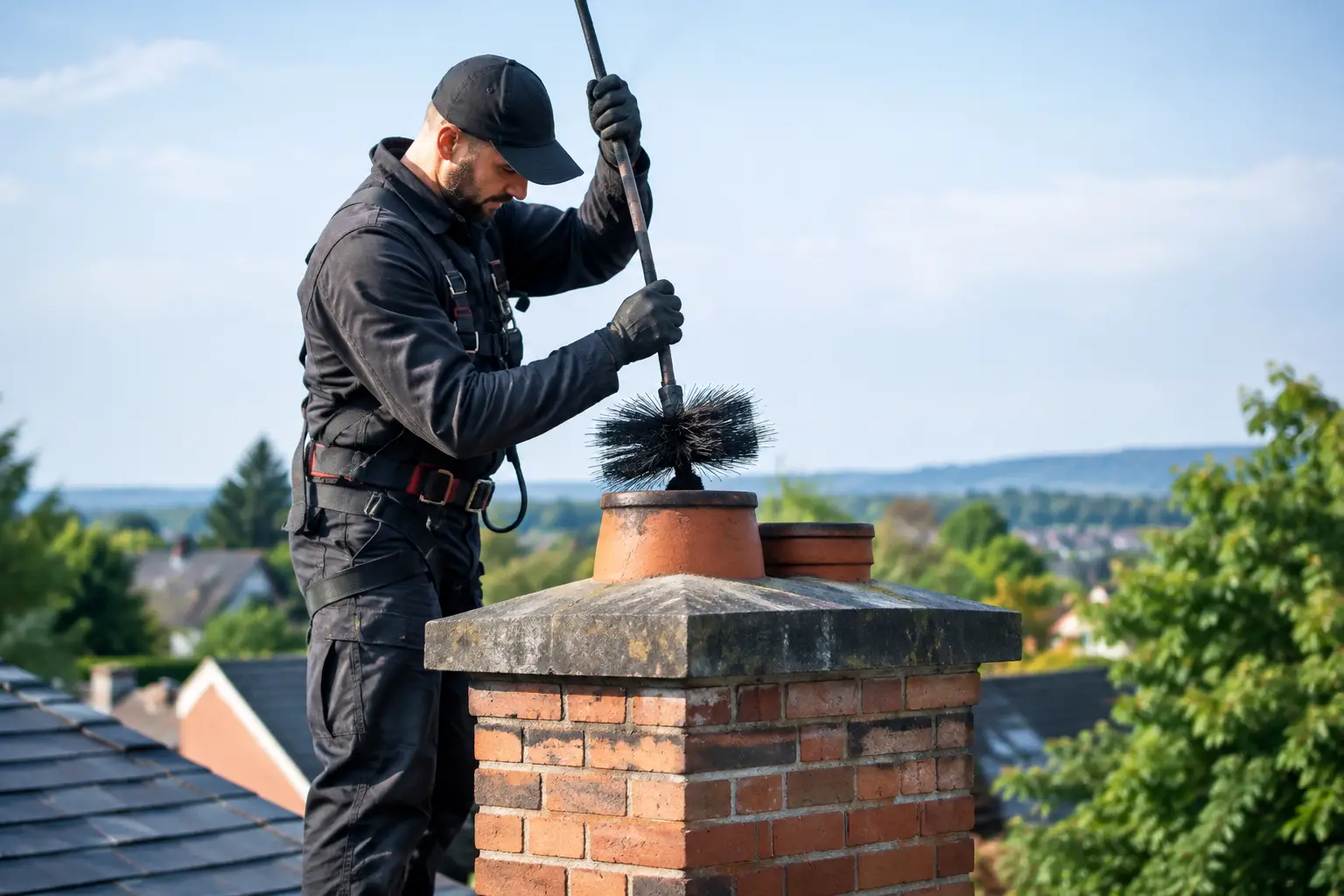
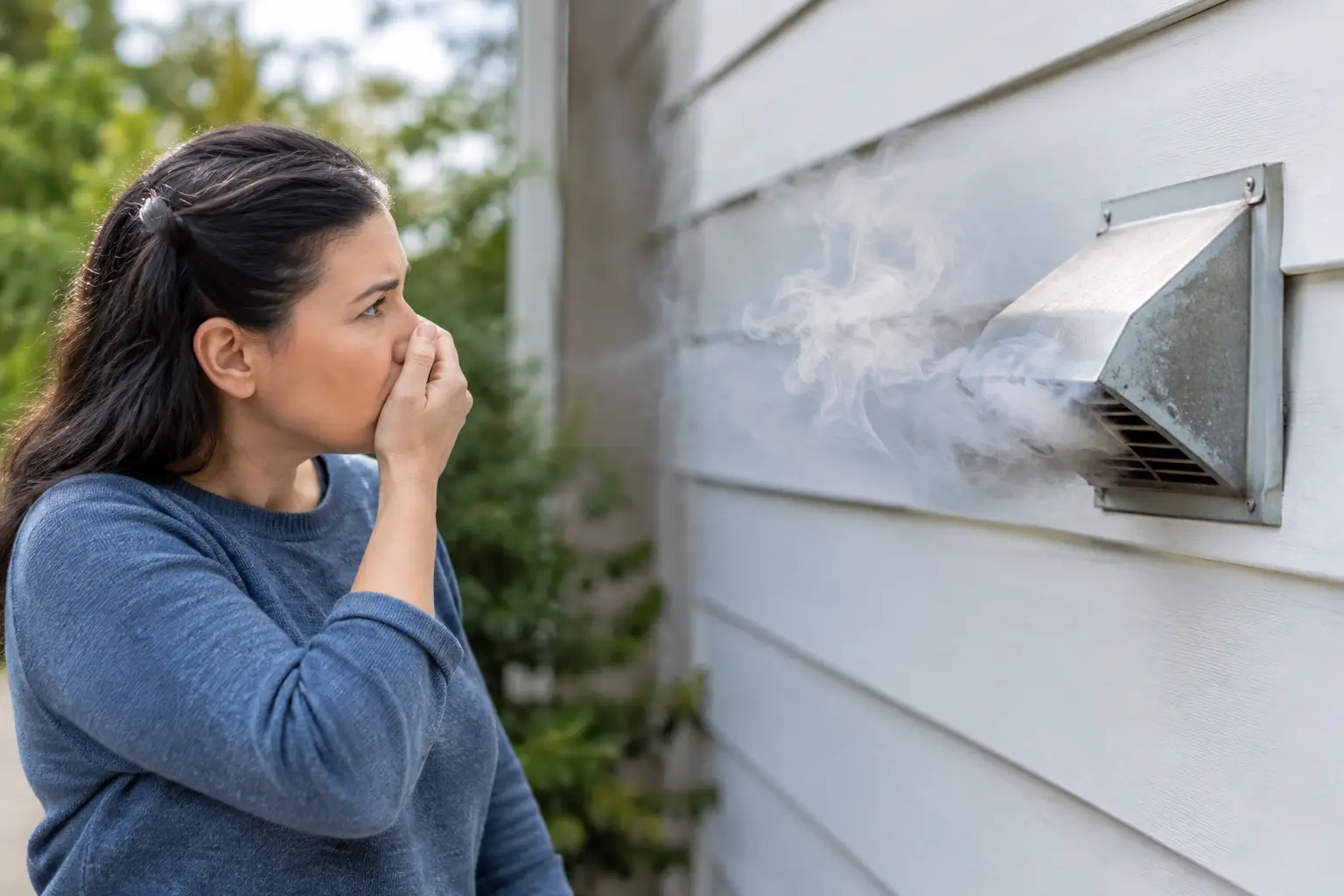
Between appointments, assign responsibility for changing filters on schedule, keep supply and return vents clear of furniture and storage, and address leaks or moisture problems quickly. If your building uses a fireplace, dryer, or kitchen exhaust system, remember that those systems have separate maintenance needs and safety risks as well.
Prepare for a Smooth Service Visit
Commercial duct cleaning is easier when the service team can reach vents, mechanical rooms, and HVAC equipment without disrupting employees or customers. If possible, schedule the work during slower business hours, before opening, after closing, or on a day with limited occupancy.
Move fragile items and portable equipment away from registers, let staff know when service is planned, and provide access instructions for locked rooms or rooftop equipment. A professional team will work carefully around your property, but clear access helps make the visit more efficient and thorough.
A clean, well-maintained ventilation system is one quiet way to show employees, customers, and tenants that their comfort matters. When dust, odors, recent construction, or performance concerns raise questions, a professional inspection can give you a clear next step and greater peace of mind about the air moving through your building.