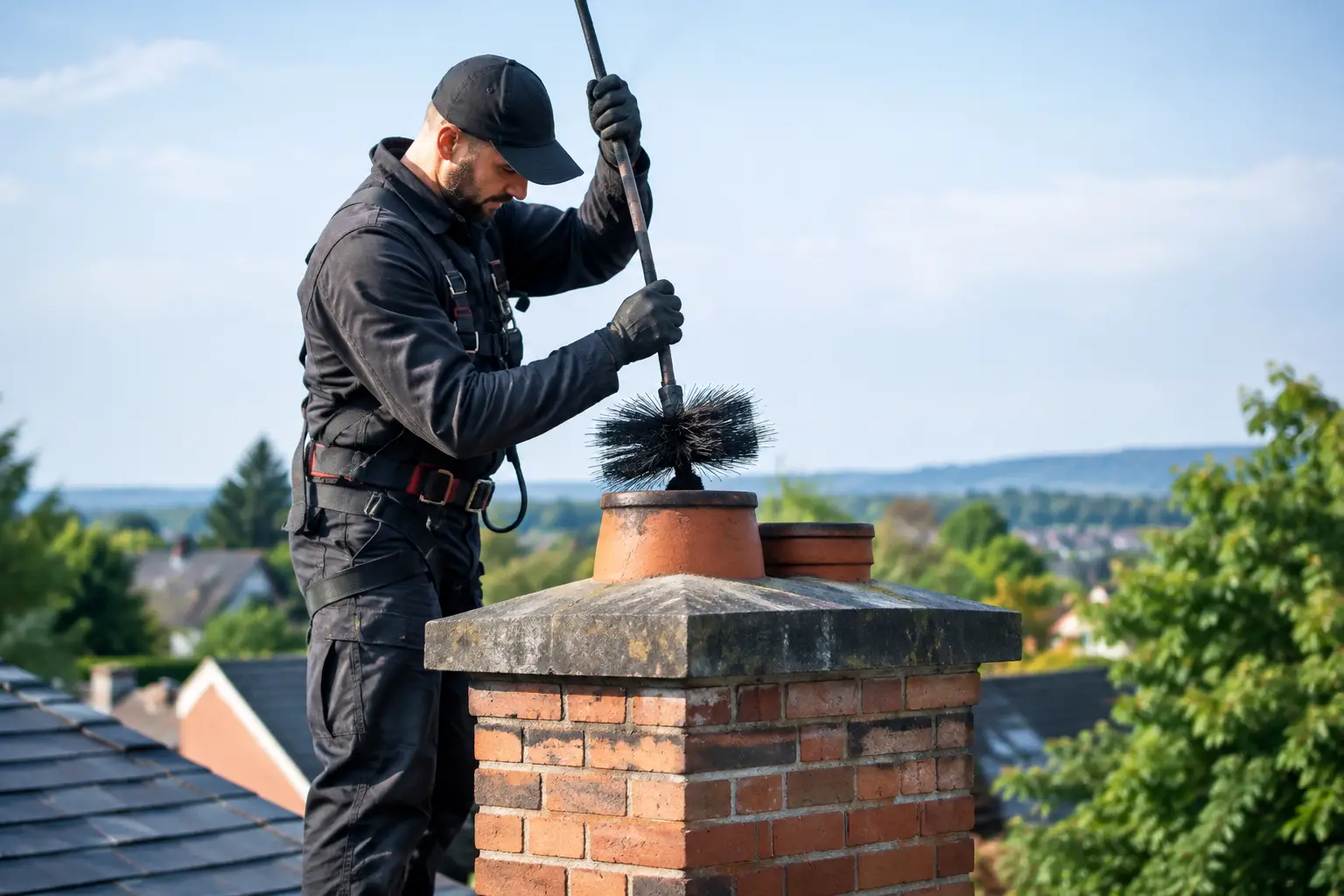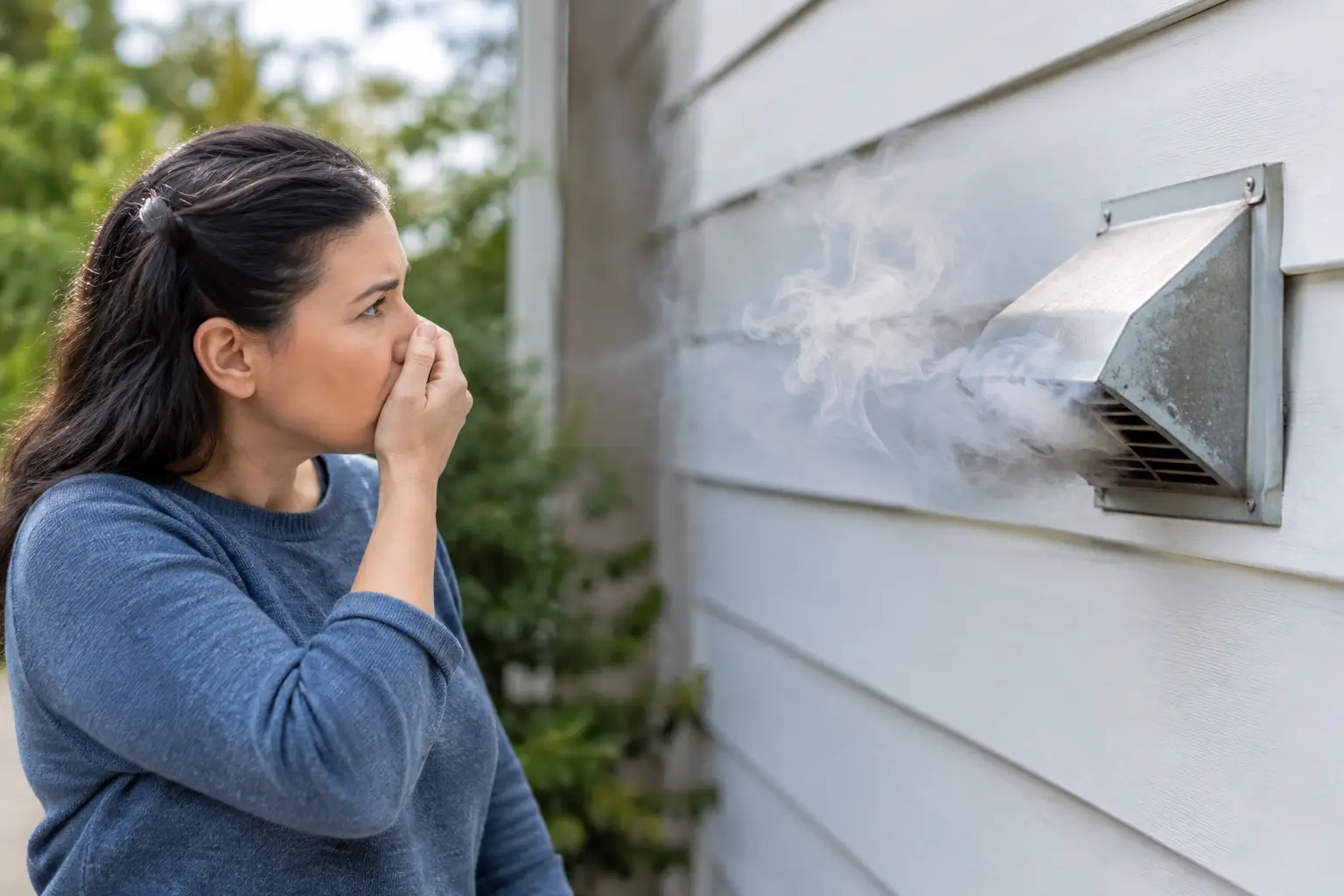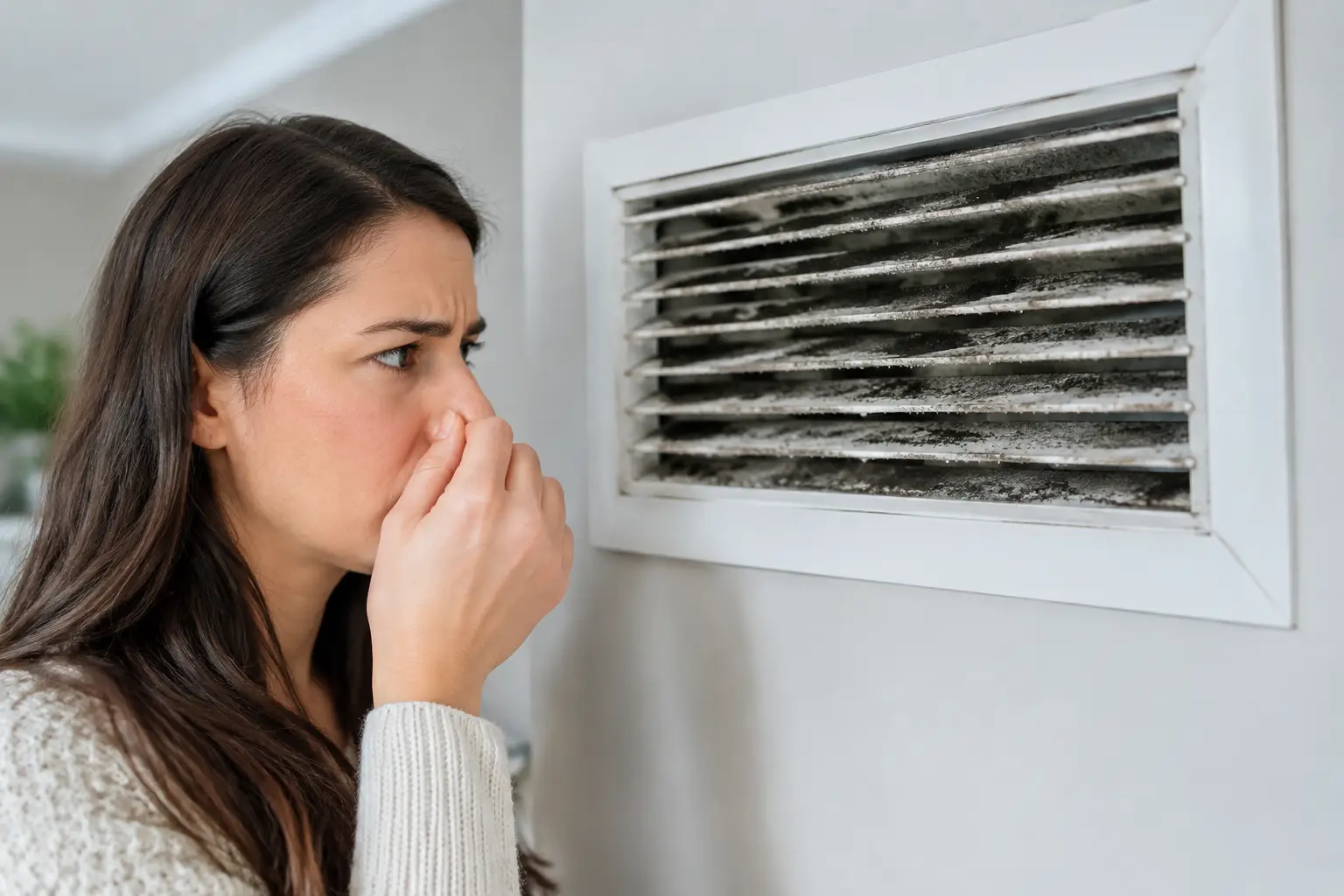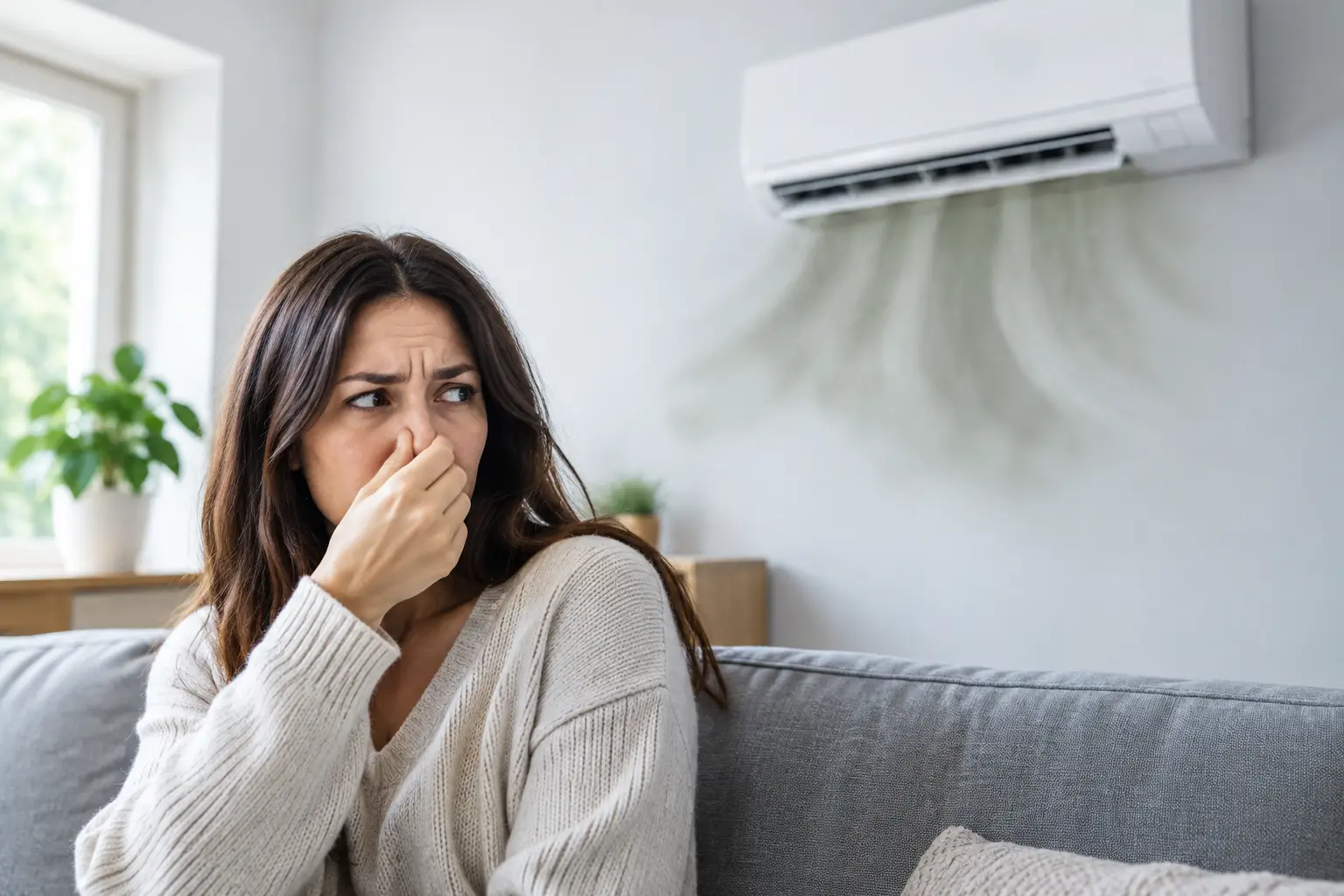
Your home should be the place where you can breathe easier, not the place where sneezing, itchy eyes, and congestion seem to linger. So, can dirty air ducts cause allergies? Dirty ductwork does not create an allergy on its own, but it can collect and recirculate particles that trigger or worsen allergy symptoms in sensitive people.
For families in Mt. Airy and surrounding Maryland communities, that matters most when the heating or air conditioning system runs often. Every cycle can move air through the same network of supply and return ducts. If that system contains excess dust, pet dander, pollen, or moisture-related contaminants, those particles may continue moving through living and working spaces.
Can Dirty Air Ducts Cause Allergies or Make Them Worse?
Allergies occur when the immune system overreacts to a substance it sees as a threat. Common indoor triggers include dust mites, pet dander, mold spores, pollen brought in from outdoors, and cockroach debris. Air ducts are not usually the original source of these allergens. Instead, they can become a collection point for the particles already present in a building.
That distinction is important. A clean duct system cannot cure seasonal allergies, eliminate a pet allergy, or replace medical advice. However, when ducts are heavily contaminated, poorly maintained, or affected by moisture, the HVAC system may distribute irritants that make symptoms more noticeable. For someone with asthma, allergies, or other respiratory sensitivities, reducing that indoor particle load can be a worthwhile part of a broader home-maintenance plan.
The effect depends on several factors: how much buildup is present, whether the system has moisture issues, how often filters are changed, the age and condition of the HVAC equipment, and the sensitivity of the people inside. A lightly dusty duct system is different from one with visible debris, pest activity, water damage, or suspected mold growth.
What Can Build Up Inside Ductwork?
Your return vents pull air back to the HVAC system from throughout the home. Along with that air comes everyday household material. Even with good filters and regular cleaning, some particles can settle inside ducts and around components.
Dust is the most familiar example, but household dust is not one single substance. It may contain skin flakes, fabric fibers, tracked-in soil, pollen, dust mite debris, and pet dander. Homes with shedding pets, carpeting, frequent open windows, ongoing renovations, or busy family routines can accumulate more material over time.
Moisture is the bigger concern. Condensation near cooling components, a plumbing leak, poor insulation, or an improperly drained HVAC unit can create conditions that support microbial growth. Mold-related contamination should be evaluated carefully because it can affect indoor air quality and may signal a larger moisture problem that cleaning alone will not solve.
A professional inspection can help separate normal dust from a condition that needs attention. This prevents homeowners from paying for unnecessary work while making sure genuine contamination is not ignored.
Signs Your Ducts May Be Affecting Indoor Air Quality
Allergy symptoms have many possible causes, so sneezing alone does not prove that ducts are dirty. Still, certain patterns can point to an HVAC-related air-quality issue, especially when they occur together.
- Dust returns quickly on furniture and floors soon after cleaning.
- Family members notice more coughing, congestion, or itchy eyes when the HVAC system starts.
- There is a stale, musty, or dusty odor coming from vents.
- You see debris around registers or notice weak airflow in parts of the building.
- The home has recently had remodeling work, water damage, pest activity, or a long period without duct maintenance.
If symptoms improve when people are away from the building but return after extended time indoors, it is also reasonable to look at ventilation, filtration, humidity, and HVAC cleanliness. That does not mean the ducts are automatically to blame. It means the full indoor environment deserves a closer look.
When Air Duct Cleaning Can Help
Professional air duct cleaning is most useful when there is a clear reason for it. Examples include visible dust and debris, post-construction buildup, pet hair accumulation, pest contamination, odors that persist after other causes are addressed, or evidence of moisture-related contamination.
Thorough cleaning removes buildup from accessible ductwork and key HVAC components using specialized equipment designed to contain and collect debris. A proper service should not simply blow dust around the home. Technicians should inspect the system, protect the work area, use appropriate agitation and vacuum equipment, and explain what they find in plain language.
Cleaning can also support HVAC performance. Heavy debris around return areas and system components can restrict airflow and add strain to heating and cooling equipment. While duct cleaning is not a substitute for HVAC repair or routine servicing, it can be part of a sensible maintenance plan that supports cleaner air and efficient operation.
For landlords and small-business property managers, this can be particularly valuable between tenants, after construction, or when occupants report recurring dust and odors. Addressing the issue before it becomes a larger complaint helps protect the property and creates a healthier, more comfortable space.
What Duct Cleaning Will Not Fix
A trustworthy contractor should be clear about the limits of duct cleaning. It will not repair a leaking roof, fix a malfunctioning air conditioner, remove all allergens from a home, or resolve a medical condition. If mold is present, the moisture source must be identified and corrected or the problem can return.
Likewise, an overloaded or low-quality HVAC filter can allow more particles to circulate, even after ducts have been cleaned. A filter needs the right fit and rating for the system. Using an overly restrictive filter can reduce airflow in some systems, so it is wise to follow the equipment manufacturer’s guidance or ask a qualified HVAC professional.
If allergy symptoms are severe, persistent, or accompanied by wheezing or shortness of breath, speak with a healthcare provider. Indoor air improvements can reduce exposure to triggers, but they are only one piece of protecting respiratory health.
Steps That Help Keep Allergens Under Control
Duct cleaning works best alongside regular housekeeping and HVAC care. Replace or inspect filters on schedule, and replace them sooner when pets, smoke, construction dust, or high seasonal pollen levels are present. Keep supply and return vents unblocked so air can move properly.
Vacuum regularly with a well-maintained machine, wash bedding often, and manage indoor humidity. In Maryland’s humid months, controlling moisture is especially important. Aim to correct leaks quickly, keep condensate drains functioning, and avoid letting damp materials sit indoors.
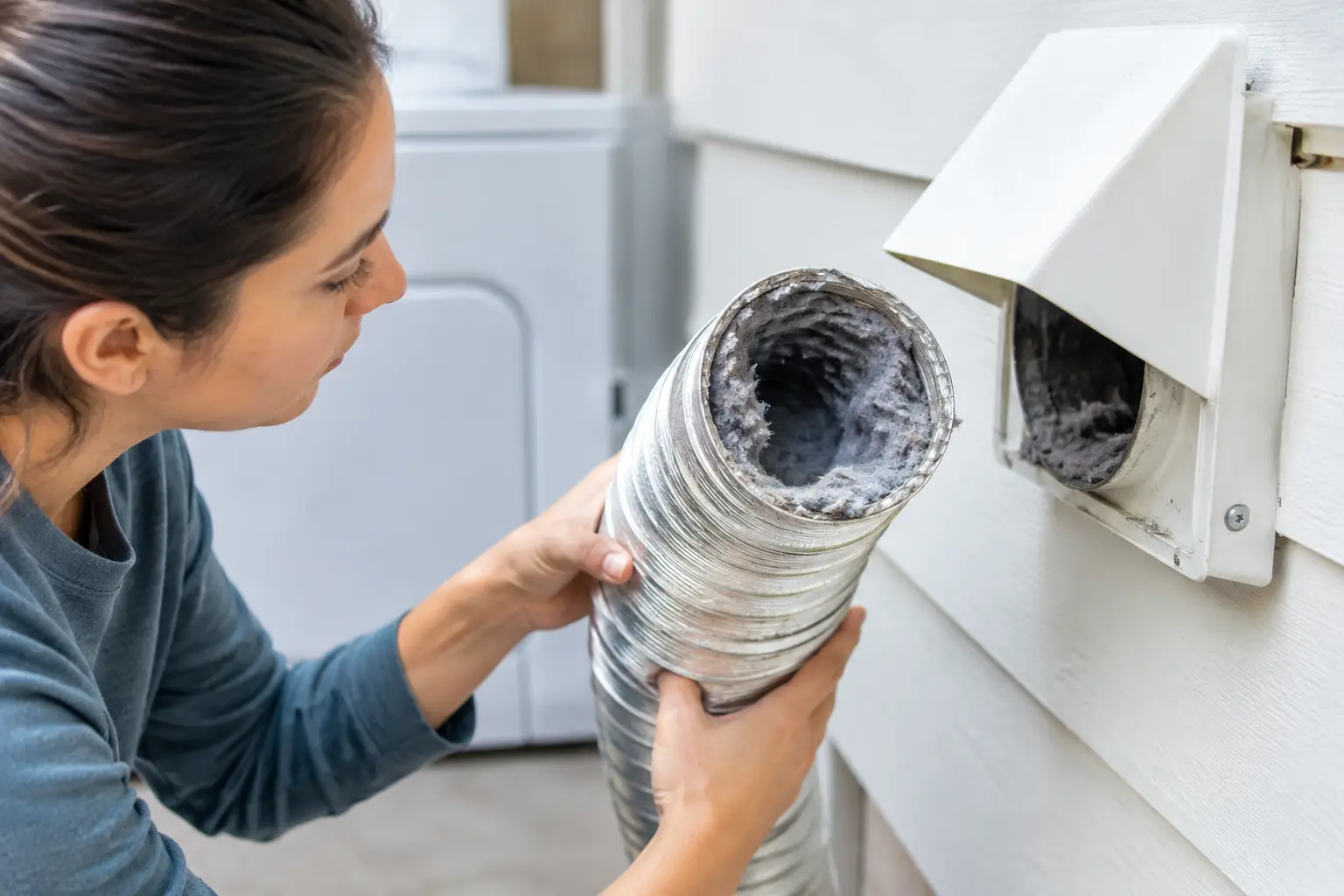
Do not overlook dryer vent maintenance, either. A clogged dryer vent is primarily a fire and appliance-performance concern, but lint and poor ventilation can also contribute to stale indoor conditions. Keeping the entire ventilation system maintained is a practical way to protect both the building and the people in it.
Choose an Inspection Before Assuming the Worst
It is easy to see a dusty vent cover and assume the entire duct system is causing every allergy symptom in the house. Sometimes the answer is as simple as changing a filter, cleaning registers, improving housekeeping, or addressing a humidity issue. Other times, an inspection reveals significant debris or contamination that calls for professional cleaning.
The right approach is not fear-based. It is careful, evidence-based maintenance that considers your home, your HVAC system, and the needs of the people who live there. Bob’s Air Duct provides thorough duct inspections and cleaning for homeowners and property managers who want a clearer picture of what is moving through their ventilation system.
If your home feels dustier than it should, odors appear when the system turns on, or allergy-sensitive family members are struggling indoors, schedule a professional evaluation. A cleaner system may not solve every allergy concern, but it can help make the air in your home one less thing to worry about.