A fireplace should make your Mt. Airy home feel warm and comfortable, not leave you wondering whether something dangerous is building up out of sight. Recognizing the signs of creosote buildup gives you a chance to address a chimney hazard before it leads to smoke problems, costly damage, or a chimney fire.
Creosote is a dark, sticky residue created when wood burns. Smoke rises through the flue, cools, and leaves behind a mix of soot, tar, and combustible chemicals on the chimney walls. A small amount can develop after even a few fires. Over time, especially with frequent fireplace use or damp wood, that residue can become thick, hardened, and highly flammable.
Common Signs of Creosote Buildup
1. Black or brown flakes in the firebox
One of the most visible signs is finding black, brown, or gray flakes in the fireplace after a fire. Some loose soot is normal, but heavier flakes that resemble coffee grounds, cracked paint, or brittle chips can indicate creosote is falling from the flue liner above.
Do not assume the material is harmless simply because it has fallen into the firebox. It may mean more deposits remain higher in the chimney, where you cannot see them safely from below. A professional inspection can determine whether the flue needs sweeping and whether the liner is in good condition.
2. A sticky, tar-like coating around the damper
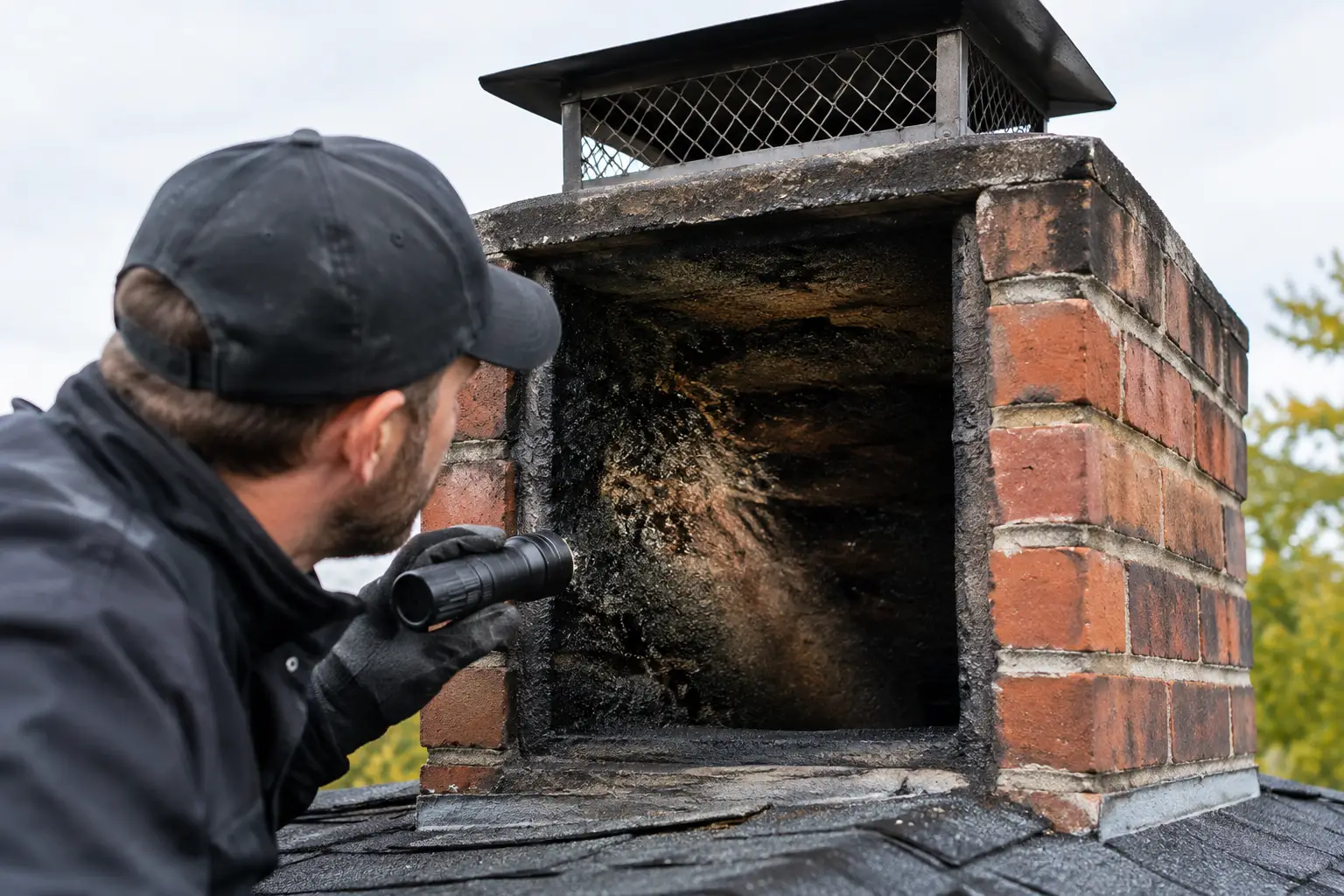
Look at the area you can safely see around the damper and upper firebox with a flashlight. Creosote often begins as a dusty, powdery soot, but it can become dark, sticky, and tar-like. This thicker material is more concerning because it is more difficult to remove and more likely to ignite.
If deposits look shiny, hard, or glazed, avoid scraping or brushing at them yourself. Glazed creosote may require specialized tools and techniques. Aggressive DIY cleaning can damage a chimney component, spread soot through the home, or leave hazardous buildup behind.
3. A strong smoky or acrid fireplace odor
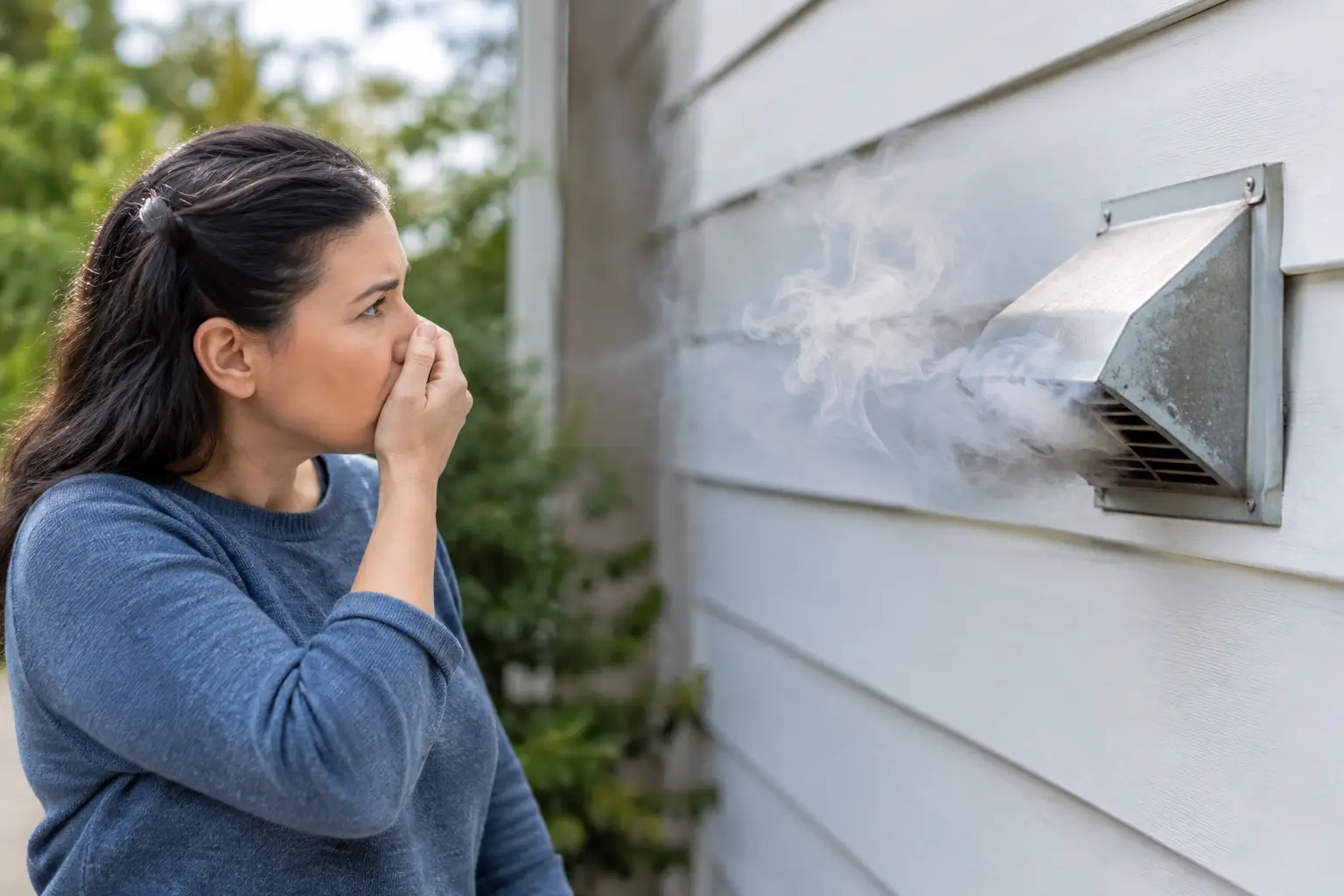
A chimney can smell unpleasant even when no fire is burning. Creosote has a distinctive smoky, burnt odor that may become stronger during humid weather, rain, or warm summer days. Moisture and changing air pressure can draw chimney odors down into the house.
An odor alone does not confirm the amount of creosote present. Wet ash, animal nesting materials, and ventilation issues can also create unpleasant smells. Still, persistent fireplace odor is a good reason to arrange an inspection rather than covering it with air fresheners. The source needs attention, particularly if the odor is accompanied by visible residue or smoke issues.
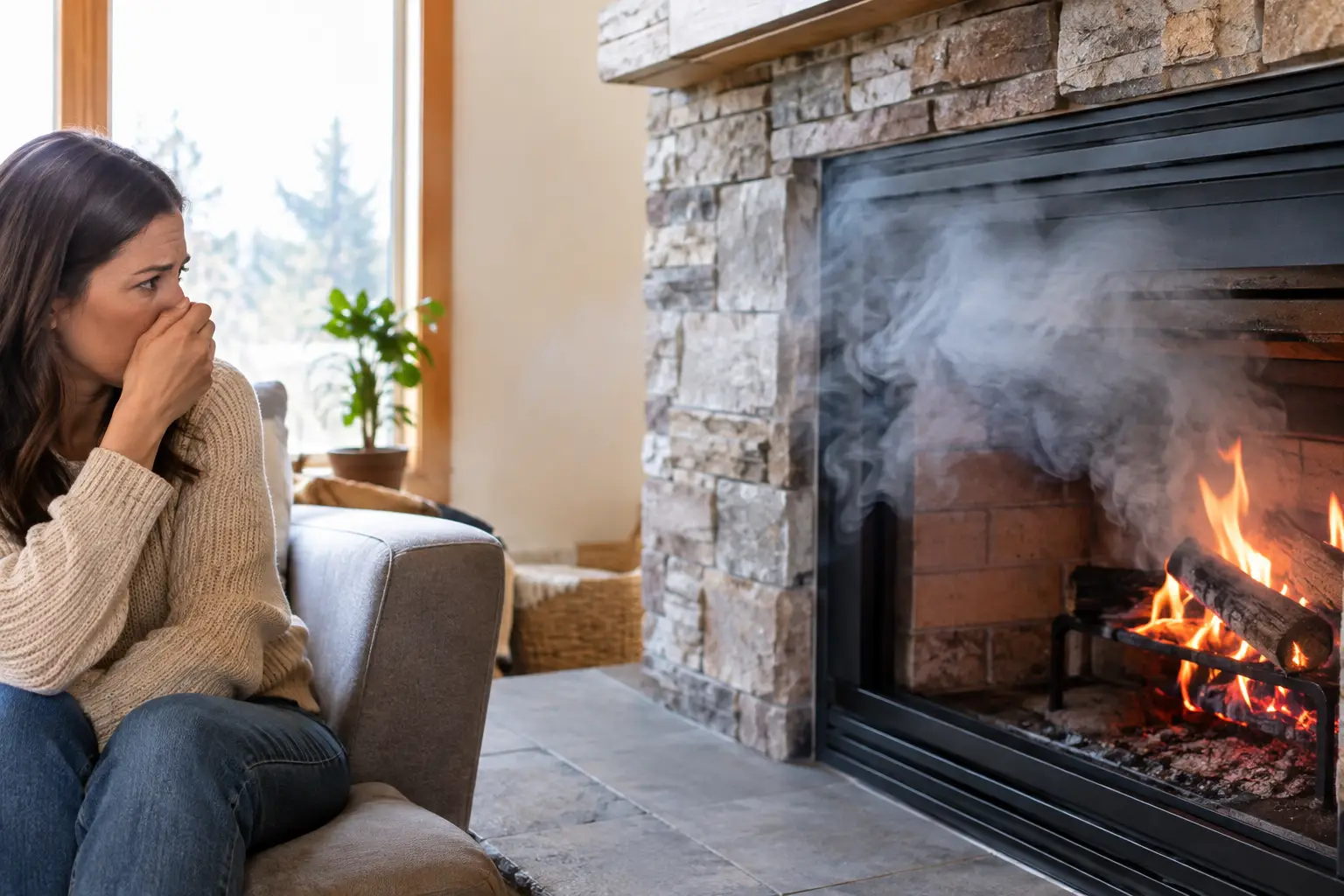
4. Smoke enters the room when you use the fireplace
A properly operating fireplace should send smoke up and out through the chimney. If smoke spills into the room after you open the damper and light a fire, restricted airflow may be part of the problem. Creosote deposits can narrow the flue passage and interfere with draft.
That said, poor draft has several possible causes. A closed damper, cold flue, oversized fire, chimney obstruction, or negative air pressure from kitchen exhaust fans can also push smoke indoors. Because smoke contains fine particles and gases that do not belong in your living space, stop using the fireplace until a qualified technician identifies the cause.
5. Fires are harder to start or do not burn cleanly
When a fireplace is drafting poorly, kindling may smolder instead of catching quickly, and flames can appear lazy or weak. You may also notice more smoke than usual when adding a log. These symptoms can point to a partially restricted chimney, although wood quality and fireplace design matter too.
Burning seasoned firewood helps reduce creosote production. Wood should be split, properly dried, and stored where it stays protected from rain and ground moisture. Green or damp wood burns cooler and creates more smoke, which means more material is available to condense on the chimney walls.
6. A rumbling sound, popping noises, or an unusually hot chimney
A chimney fire is not always the dramatic event people expect. Some are loud and obvious, producing a roaring or rumbling sound, popping or cracking noises, dense smoke, sparks, or flames from the chimney top. Others burn briefly and go unnoticed, yet can still damage flue liners, mortar, or the chimney structure.
If you hear unusual roaring or crackling from the chimney, see flames or sparks outside, or notice the exterior of the chimney becoming extremely hot, treat it as an emergency. Get everyone out of the home, call 911, and do not use the fireplace again until it has been professionally inspected. Do not pour water into the fireplace, as rapid cooling can create additional damage.
7. Black stains, damage, or debris near the chimney
Dark staining around the fireplace opening, on nearby walls, or near the chimney cap can signal soot and creosote-related exhaust problems. You may also find broken flue tile, mortar fragments, or unusual debris in the firebox. These conditions do not always mean creosote caused the damage, but they should never be ignored.
A chimney fire can crack clay liners, warp metal components, and create openings that let heat or combustion byproducts reach areas they should not. An inspection after any suspected chimney fire is essential, even if the fireplace appears to work normally afterward.
Why Creosote Buildup Becomes a Fire Risk
Creosote is fuel. When hot sparks or flames reach a heavy deposit, it can ignite inside the chimney. The fire may burn at temperatures high enough to damage the flue and surrounding materials. Once a liner is compromised, heat and smoke can travel where they do not belong, increasing the risk to the home.
The amount of buildup matters, but the type matters as well. Early-stage creosote may be dry and easier to sweep. As it accumulates and is repeatedly heated, it can become denser and more glaze-like. This is why waiting until you can see thick residue from the fireplace is not a safe maintenance plan.
What Affects How Quickly Creosote Forms?
There is no single cleaning schedule that fits every home. A household that burns a few recreational fires each winter may have very different needs from one that relies on a wood-burning stove for regular heat. Frequent use generally means deposits accumulate faster.
Wood quality also makes a difference. Damp or unseasoned wood creates cooler, smokier fires. Restricted airflow, an oversized chimney, a cold exterior flue, and slow-burning fires can all contribute to heavier deposits. Gas fireplaces can have venting and maintenance concerns too, although the creosote issue discussed here is most closely associated with wood burning.
The safest approach is to schedule a chimney inspection at least once a year, ideally before the heating season begins. A technician can assess deposit levels, inspect the flue and chimney components, and recommend sweeping when needed. For homes with heavy fireplace use, more frequent service may be appropriate.
What to Do If You Notice Creosote Signs
If you see flaky soot, tar-like deposits, staining, or smoke entering the room, pause fireplace use and schedule a professional chimney inspection. Do not burn another fire in hopes that extra heat will clear the problem. It will not remove creosote, and it can raise the risk of ignition.
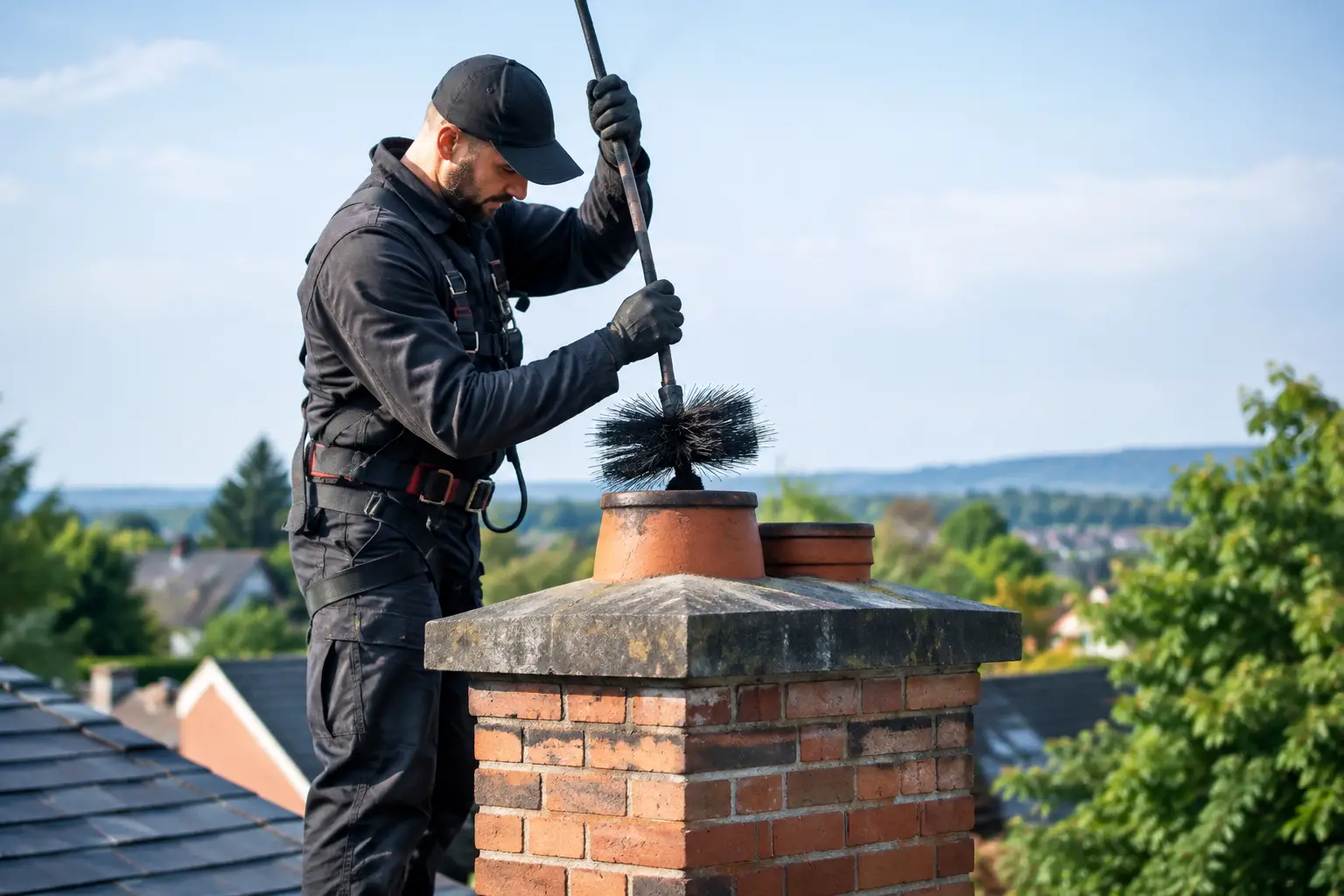
A thorough chimney sweeping service removes soot, creosote, and debris while protecting the surrounding living area from dust. It also gives a trained professional the opportunity to spot damaged liners, blockages, cap issues, and other conditions that could affect safe operation. At Bob’s Air Duct, the goal is straightforward: help local homeowners protect their families, their property, and the comfort they count on during colder months.
Regular sweeping is not just another item on a home-maintenance checklist. It is a practical way to enjoy your fireplace with greater peace of mind. If your chimney has not been inspected recently, scheduling service before your next fire is a smart way to keep a small concern from becoming an urgent one.