Your HVAC system moves air through every room in your home, often for hours each day during a Maryland summer or winter. That makes the question, how often should air ducts be cleaned, more than a housekeeping concern. A well-timed professional cleaning can help reduce circulated dust, support efficient heating and cooling, and give your family greater peace of mind.
For most homes, a professional air duct cleaning every three to five years is a sensible starting point. But that range is not a one-size-fits-all rule. Pets, allergies, renovations, water damage, smoking, and the condition of the HVAC system can all mean your ducts need attention sooner. The goal is not to clean ducts on a calendar without a reason. It is to respond to real conditions in your home before buildup affects air quality, comfort, or equipment performance.
How Often Should Air Ducts Be Cleaned?
In a typical, well-maintained household, scheduling duct cleaning every three to five years is generally appropriate. Between cleanings, regular filter changes, routine HVAC maintenance, and good housekeeping help limit what enters the system.
Some homes benefit from a shorter schedule. If several people live in the home, there are multiple shedding pets, or the HVAC system runs heavily through every season, ducts can collect more dust and debris. A professional inspection can help determine whether cleaning is actually needed rather than relying on a guess.
For landlords and small-business property managers, turnover is also a practical time to assess the ductwork. A cleaning before new occupants move in can remove leftover dust, odors, pet hair, and debris from prior use. It is a thoughtful part of preparing a property that helps create a cleaner first impression.
Situations That Call for Cleaning Sooner
Certain conditions should move air duct cleaning higher on your maintenance list. A recent remodeling project is one of the most common. Drywall dust, sawdust, insulation fibers, and construction debris can find their way into supply and return vents, even when contractors take care to cover work areas. Cleaning after the project is complete helps keep that material from continuing to circulate.
Homes with pets may also need more frequent service. Pet dander and hair do not stay only on furniture and floors. Some of it is pulled toward return vents and can build up inside the system over time. This can be especially frustrating for family members with allergy or asthma sensitivities.
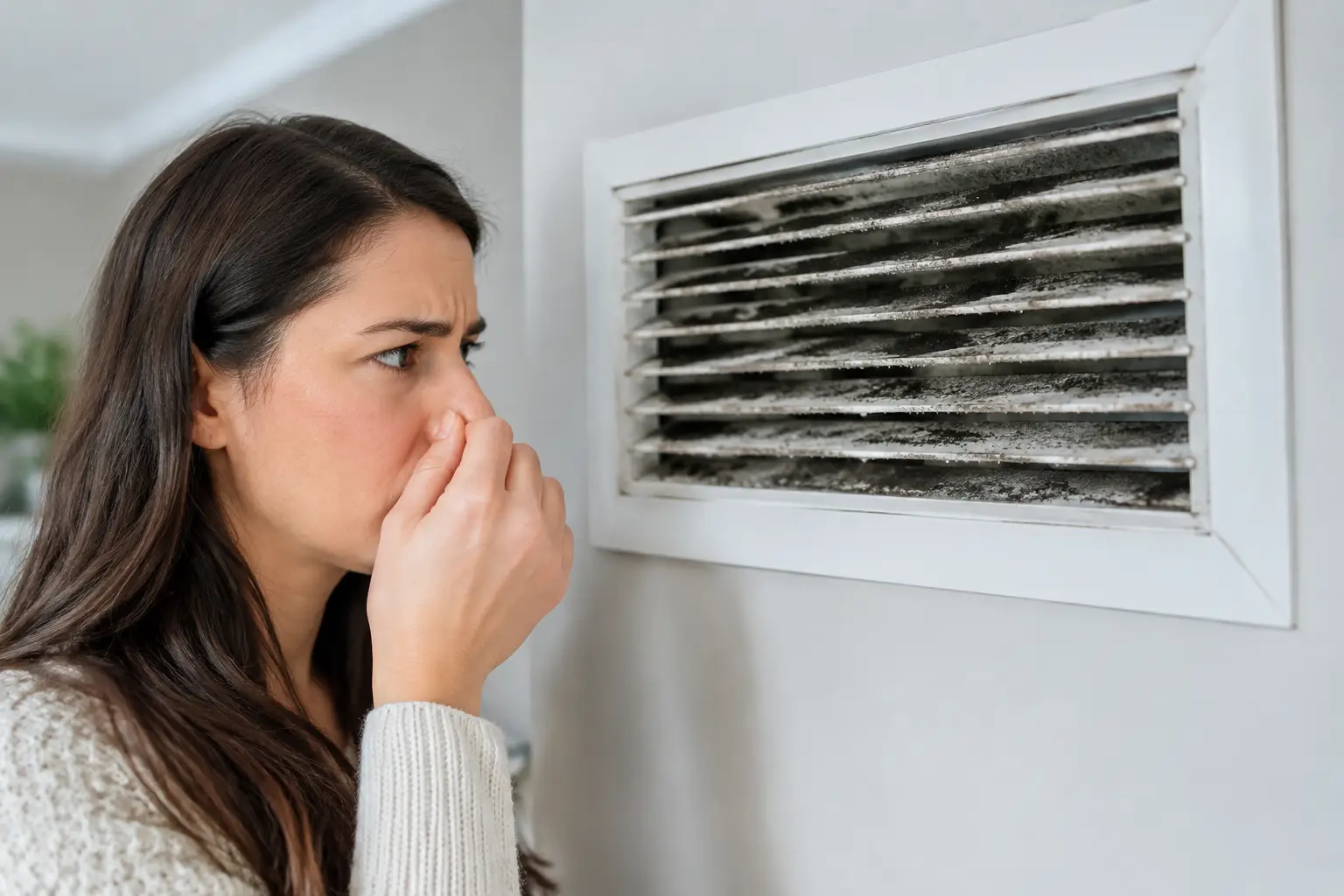
Water intrusion, visible mold-like growth, or a persistent musty smell when the system starts deserves prompt attention. Duct cleaning may be part of the solution, but moisture must be identified and corrected first. Cleaning a damp system without addressing the leak, drainage issue, or humidity source only allows the problem to return.
Consider an earlier inspection if you notice any of these signs:
- Dust blowing from registers or quickly collecting around vents after cleaning
- Unexplained odors when the furnace or air conditioner turns on
- Visible debris, pest material, or dark buildup inside accessible duct openings
- Increased allergy symptoms or respiratory irritation that seems worse indoors
- Reduced airflow in rooms that were previously comfortable
These signs do not automatically prove that every duct needs cleaning. They do show that the system deserves a closer look from a qualified professional.
What Builds Up Inside Air Ducts?
Air ducts are not supposed to be spotless. A small amount of settled household dust is normal. The concern is excessive buildup or contaminants that affect the indoor environment or interfere with system operation.
Over time, ducts can collect dust, pollen, pet dander, lint, hair, insect debris, insulation particles, and small items pulled through floor registers. In homes with fireplaces, soot particles may add to indoor dust, particularly if the fireplace or chimney has not been properly maintained. In a commercial setting, higher foot traffic and more frequent door openings can bring additional dirt into the building.
The return side of the HVAC system is especially important because it pulls air back toward the equipment. A clogged or poor-fitting filter lets more particles pass into the system. This is why air duct cleaning works best alongside regular filter changes and seasonal HVAC service, not as a replacement for either one.
Benefits of Cleaning at the Right Time
Professional duct cleaning is not a miracle fix for every air-quality concern, and it should never be sold that way. It can, however, provide meaningful benefits when there is a clear buildup issue.
Removing accumulated debris helps reduce the dust and allergens available to circulate through living spaces. Families with pets, young children, or allergy-sensitive household members often appreciate the cleaner feel of the home after service. While duct cleaning cannot cure allergies, it can remove one source of airborne particles from the HVAC pathway.
Clean ducts can also support HVAC efficiency. When the system’s components, returns, and airflow pathways are burdened by debris, the equipment may have to work harder to deliver conditioned air. Keeping the system clean and properly maintained supports more consistent comfort and may help avoid unnecessary strain on heating and cooling equipment.
There is also value in knowing what is inside your ductwork. During a thorough service, technicians can identify visible concerns such as disconnected ducts, damaged vent covers, signs of pests, or moisture-related issues that deserve further repair. Catching these problems early helps protect both your home and your investment.
Why a Professional Inspection Matters
A proper air duct cleaning is not simply vacuuming the visible portion behind a register. Thorough service involves specialized equipment designed to loosen and remove debris from the duct system while helping contain it during the process. The technician should inspect accessible areas, protect your home, explain the work clearly, and avoid making unrealistic promises about health or energy savings.
Be cautious about unusually low advertised prices that turn into pressure sales once a technician arrives. Duct cleaning is detailed work, and the price should reflect the size of the system, the number of vents, access conditions, and the level of buildup. Transparent recommendations matter because not every home needs cleaning immediately.
At Bob’s Air Duct, the focus is on a careful inspection and thorough cleaning approach that respects your home and addresses the conditions you can see, smell, or feel. Certified professionals use the right tools to remove debris while helping homeowners make practical maintenance decisions with confidence.
Keep Your Ducts Cleaner Between Appointments
The best way to extend the time between duct cleanings is to reduce what enters the HVAC system in the first place. Use the right filter for your system and replace it according to the manufacturer’s guidance, usually more often when pets or heavy seasonal use are involved. A filter that is visibly loaded with dust has already done as much work as it can safely do.
Keep supply and return vents clear of furniture, rugs, and clutter so air can move freely. Vacuum around registers periodically, and make sure vent covers are securely in place. If you are planning a renovation, ask contractors to protect registers and change HVAC filters after dusty work is complete.
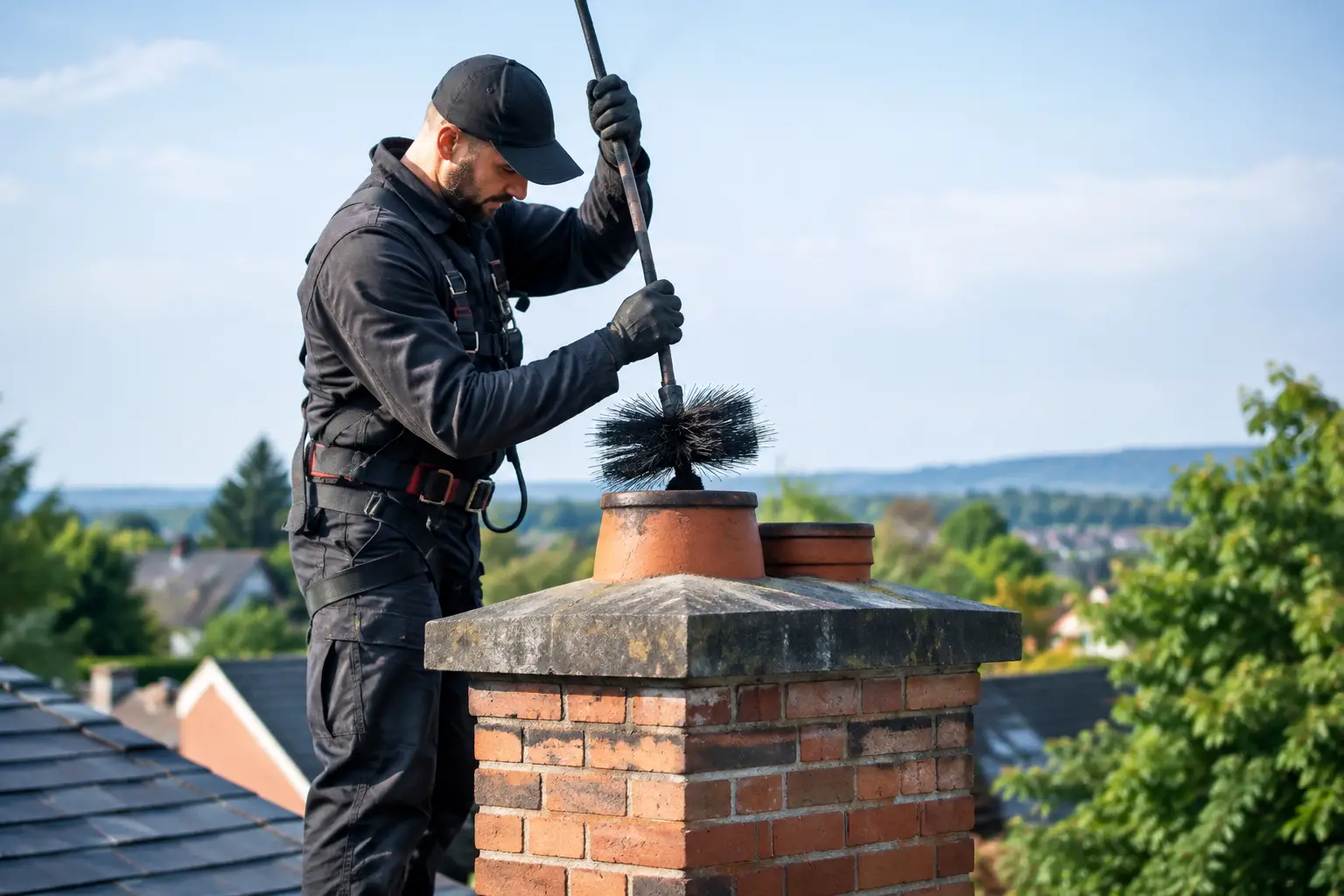
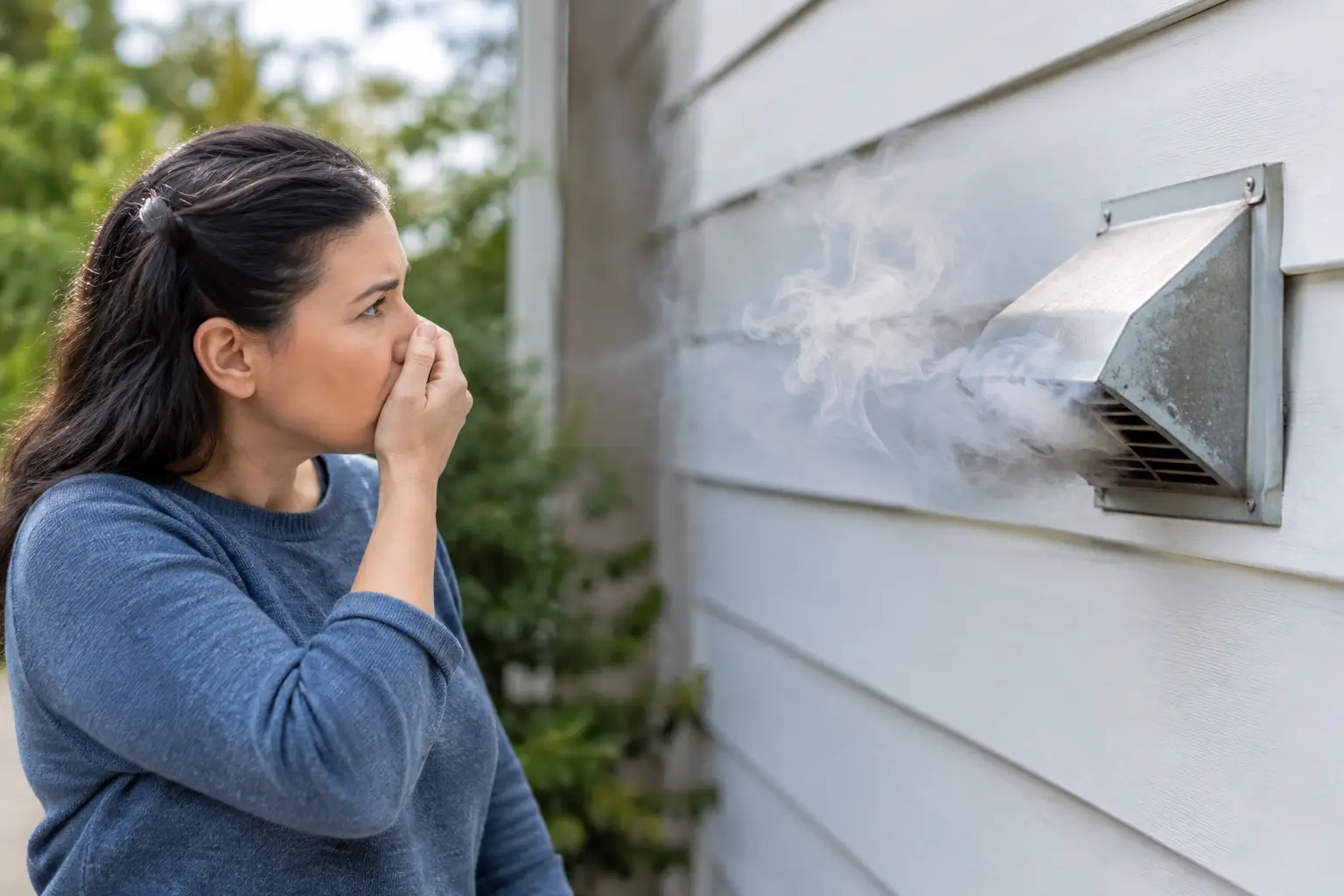
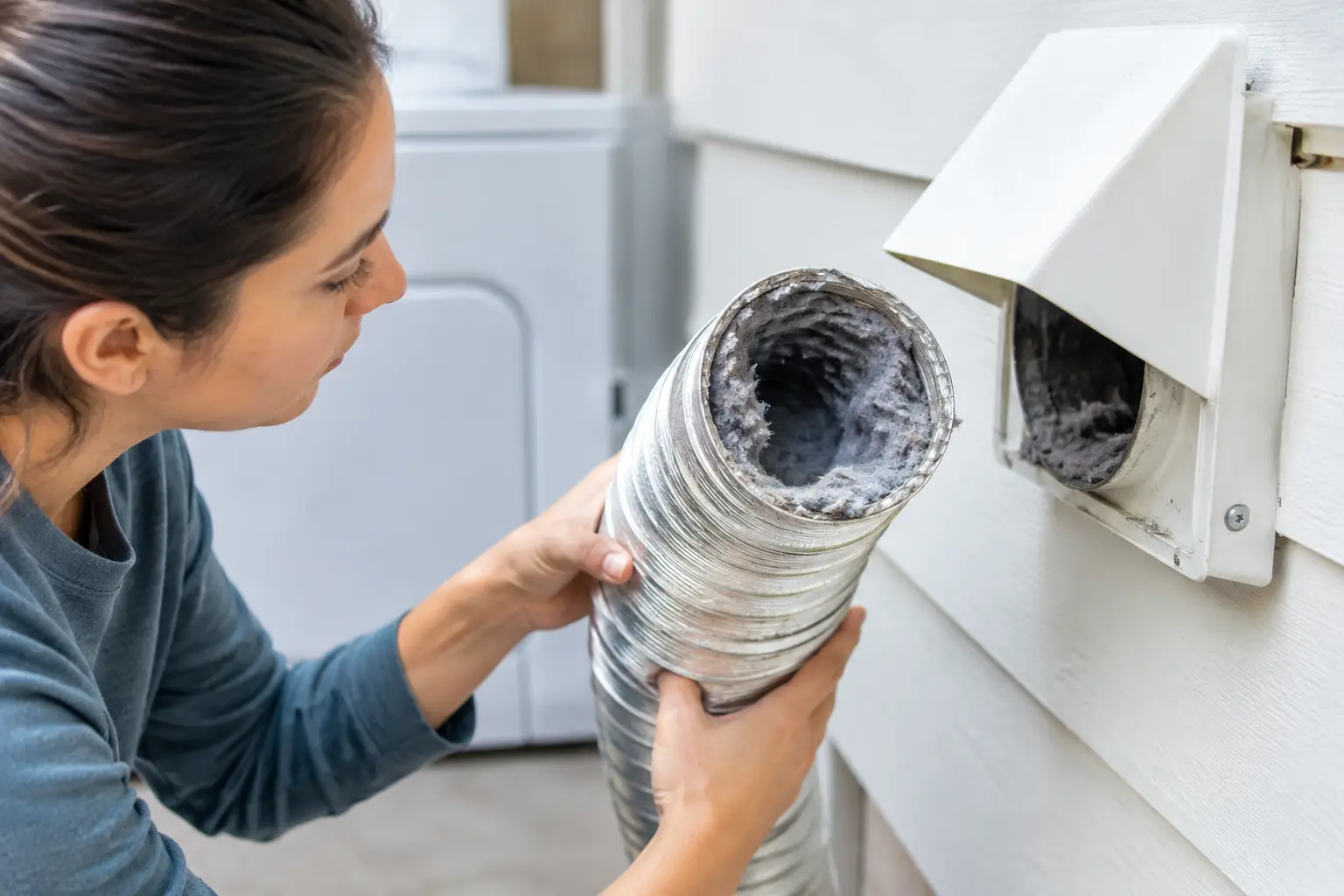
Do not overlook related safety services. A clogged dryer vent can lead to long drying times, wasted energy, and a serious fire risk. A fireplace chimney needs regular sweeping to remove soot and creosote. Caring for these systems together is a practical way to protect indoor air, appliance performance, and your property.
If your home feels dustier than usual, odors appear when the HVAC starts, or it has been several years since the ductwork was inspected, scheduling a professional evaluation is a smart next step. A clear look inside the system can replace uncertainty with a maintenance plan that keeps your home cleaner, safer, and more comfortable.