A dryer that suddenly needs two or three cycles to dry a normal load is not just frustrating. It may be the first sign of a fire risk developing behind the appliance. Knowing how to tell dryer vent is clogged helps you act before lint buildup causes overheated clothing, wasted energy, or damage to your dryer.
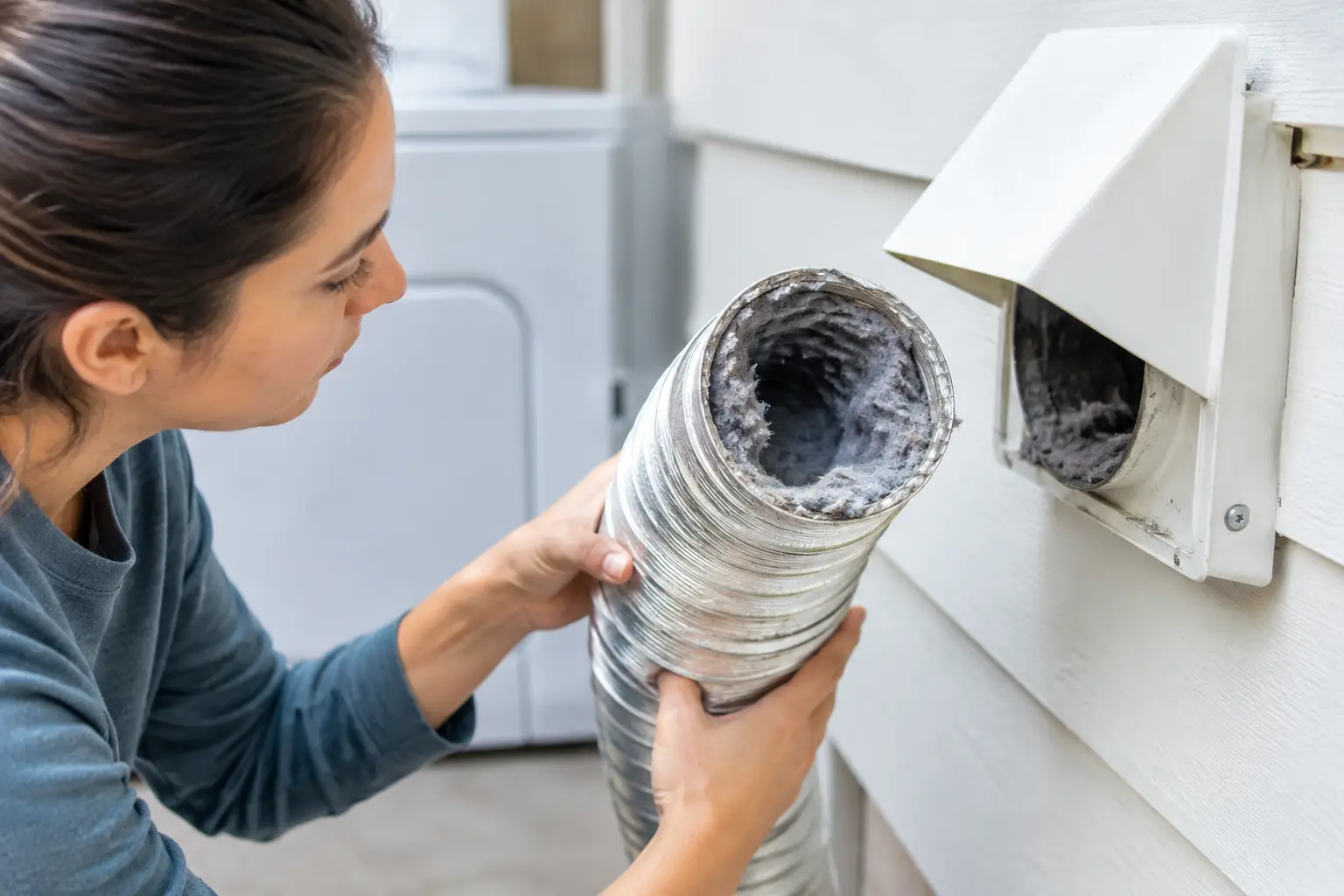
Your lint screen catches a lot of debris, but it cannot catch everything. Fine lint moves past the screen and into the vent line each time the dryer runs. Over months and years, that material can collect in the ductwork, the exterior vent hood, and tight bends behind the machine. Pet hair, nesting material, and outdoor debris can make the restriction worse.
How to Tell a Dryer Vent Is Clogged
A clogged dryer vent does not always stop the dryer from working completely. More often, the warning signs build gradually. Paying attention to changes in drying performance, heat, and airflow can protect your home and help your appliance run as intended.
Clothes take longer than one cycle to dry
This is one of the most common signs. A load of towels, jeans, or bedding naturally takes longer than lightweight clothing, but a standard load that once dried in one cycle should not suddenly require a second or third cycle.
When moist air cannot move efficiently through the vent, it remains in the dryer drum. The dryer keeps producing heat, but the moisture has nowhere to go. That means longer laundry days, higher utility use, and extra wear on the appliance.
The dryer or laundry feels unusually hot
Warm laundry is expected. Scorching-hot clothes, a hot dryer cabinet, or a laundry room that feels overly warm during a cycle is not. Restricted airflow causes heat to build up inside the dryer and vent system.
Do not assume this is normal simply because the dryer still finishes a cycle. Turn the appliance off, allow it to cool, and arrange for the vent system to be checked. Continued use can strain heating components, thermostats, and the dryer motor.
You notice a burning odor
A faint hot-lint smell can be an early warning that lint is overheating inside the dryer or vent. A stronger burning odor requires immediate attention. Stop the dryer, unplug it if it is safe to do so, and do not restart it until the source has been identified.
The odor may come from lint near the heating element, a blocked vent, or an appliance issue. Because these causes can involve fire risk, this is not a symptom to troubleshoot by repeatedly running another cycle.
Little air comes from the outside vent hood
With the dryer running, carefully check the exterior vent hood. You should feel a steady stream of warm, moist air, and the damper flap should open freely. Weak airflow, no airflow, or a flap that barely moves can point to a blockage in the vent line.
Outdoor conditions matter. Wind and cold temperatures can make airflow harder to judge, and some vent hoods are located on a roof or other hard-to-reach area. Do not climb ladders or disassemble an inaccessible vent hood to investigate. A professional inspection is the safer choice when the outlet cannot be safely reached from the ground.
The lint screen has less lint than usual
It may seem like a clean lint screen is good news, but a sudden drop in lint collection can signal that airflow has changed. Lint may be collecting farther inside the dryer or vent system instead of reaching the screen as expected.
Clean the lint screen before every load, and periodically wash it with warm water and a soft brush. Dryer sheets can leave a nearly invisible film that reduces airflow through the screen. Even so, cleaning the screen does not replace cleaning the full vent line.
The dryer shuts off before clothes are dry
Many newer dryers have sensors or safety controls that respond to excessive heat. If your dryer stops mid-cycle, shuts down unexpectedly, or reports an airflow-related error, the vent may be restricted.
An error code does not prove the vent is clogged. A faulty sensor, heating issue, or electrical problem can create similar symptoms. Still, airflow should be one of the first things checked, especially if the dryer has been taking longer to dry clothes.
What Causes Dryer Vent Clogs?
Lint is the usual cause, but it is not the only one. Vent lines with long runs, several turns, crushed flexible ducts, or improper materials are more likely to collect debris and lose airflow. A dryer pushed too close to the wall can pinch the transition duct behind it, creating a restriction that is easy to miss.
Outside, birds, rodents, leaves, and damaged vent covers can block the exhaust point. In Maryland, seasonal weather can also expose problems with exterior vent hoods. A damper that sticks shut or is clogged with debris cannot release dryer exhaust properly.
Laundry habits play a role as well. Frequent loads, large families, pet bedding, heavy towels, and commercial-style use in a rental property all add more lint to the system. That does not mean the dryer is defective. It means the vent may need cleaning more often.
What to Do When You Suspect a Clog
Start with the safe basics. Clean the lint screen, check that the dryer is not pressed tightly against the wall, and look at the exterior hood from a safe location while the dryer is operating. Remove visible leaves or debris around the outside opening only if you can do so without reaching into the duct or damaging the hood.
Avoid using a leaf blower, shop vacuum, or improvised brush from one end of the vent. These methods can compact lint farther into the line, disconnect duct sections, or leave debris trapped at a bend. They also do not address lint buildup inside the dryer cabinet, where it may be close to electrical and heating components.
If you smell burning, see smoke, find signs of melting, or believe the dryer is overheating, stop using it immediately. Keep the area clear, and contact a qualified dryer vent professional or appliance technician as appropriate. If there is a fire or immediate danger, call emergency services.
Why Professional Dryer Vent Cleaning Makes a Difference
A proper dryer vent service is more than removing lint from the screen or vacuuming behind the dryer. A trained technician inspects the full path from the dryer connection to the exterior termination. This helps identify packed lint, crushed or disconnected ducting, improper vent materials, damaged covers, and airflow restrictions that are not visible from the laundry room.
Professional equipment is designed to move lint through the full vent path without simply pushing it deeper into the system. The work should also include a check of airflow and the exterior vent hood so you have a clearer picture of how the system is operating.
For homeowners, the benefit is peace of mind. For landlords and property managers, routine vent cleaning can help reduce preventable maintenance calls, protect appliances, and support safer living spaces for tenants. Bob’s Air Duct provides thorough dryer vent cleaning with a focus on clear communication, careful service, and the safety of your property.
How Often Should a Dryer Vent Be Cleaned?
For many households, annual dryer vent cleaning is a sensible baseline. However, the right schedule depends on how often the dryer runs and how the vent is configured. A home with several family members, pets that shed, frequent laundry loads, or a long vent run may need service sooner.
Rental homes and small commercial properties may also need more frequent inspections because the dryers often see heavier use. Rather than waiting for clothes to stay damp or the dryer to overheat, treat vent cleaning as preventive maintenance. It is usually easier, safer, and less disruptive to remove lint before it becomes a serious blockage.
Your dryer should dry a typical load efficiently, release air freely outdoors, and operate without excess heat or burning odors. If it no longer does, do not keep asking it to work harder. A timely dryer vent inspection can help protect your family, your appliance, and the home you care for.