A fireplace can make a Maryland home feel warm and welcoming on a cold evening, but the chimney above it does more than carry smoke outside. It collects soot, ash, moisture, animal debris, and a highly flammable substance called creosote. If you are asking how often should chimney be swept, the safest answer is usually once a year, with a professional inspection every year whether you use the fireplace often or not.
That annual visit is not just a housekeeping task. It is a practical way to reduce chimney-fire risk, spot damage before it becomes expensive, and make sure smoke and combustion gases have a clear path out of your home. The right schedule can vary based on how often you burn fires, what you burn, and the condition of the chimney.
How Often Should Chimney Be Swept?
For most homeowners, a chimney should be professionally inspected annually and swept whenever soot or creosote buildup warrants it. For a wood-burning fireplace or stove that gets regular use through fall and winter, this often means scheduling a sweep once a year, ideally before the heating season begins.
A fireplace used only a few times a year may not require sweeping every calendar year if the flue is clean, but it still deserves an annual inspection. Birds can nest in an unused chimney, leaves can block the flue, mortar can deteriorate, and a chimney cap can become damaged without obvious signs inside the home. An inspection tells you whether cleaning is necessary instead of leaving you to guess.
Gas fireplaces also need regular chimney inspections. They do not produce creosote the way wood fires do, but their venting systems can develop blockages, corrosion, or damage that interferes with safe operation. Oil- or pellet-burning appliances have their own maintenance needs as well. The fuel may be different, but clear, sound venting remains essential.
Why Creosote Changes the Schedule
Creosote is the main reason chimney maintenance should never be postponed. It forms when wood smoke cools and condenses on the inside of the flue. At first, it may look like a light layer of soot. Over time, it can become thicker, stickier, and more difficult to remove. In advanced stages, it may appear hard and shiny, almost like black tar.
This buildup is combustible. A hot ember or intense fire can ignite creosote inside the chimney, creating a chimney fire. Some chimney fires are loud and obvious, with popping sounds, roaring, or flames visible from the top. Others can burn quietly enough that a homeowner may not realize one occurred. Either way, the extreme heat can damage flue liners, crack masonry, and put nearby framing at risk.
How quickly creosote accumulates depends on several factors. Burning wet or unseasoned wood creates cooler, smokier fires and more buildup. Restricting airflow, smoldering fires overnight, and burning wood that has not dried properly can do the same. A chimney that is oversized, poorly drafted, or exposed to moisture may also collect deposits faster.
Dry, properly seasoned firewood helps, but it does not eliminate the need for inspection and sweeping. Even careful fireplace habits leave behind soot and debris over time.
Signs You Should Schedule a Sweep Sooner
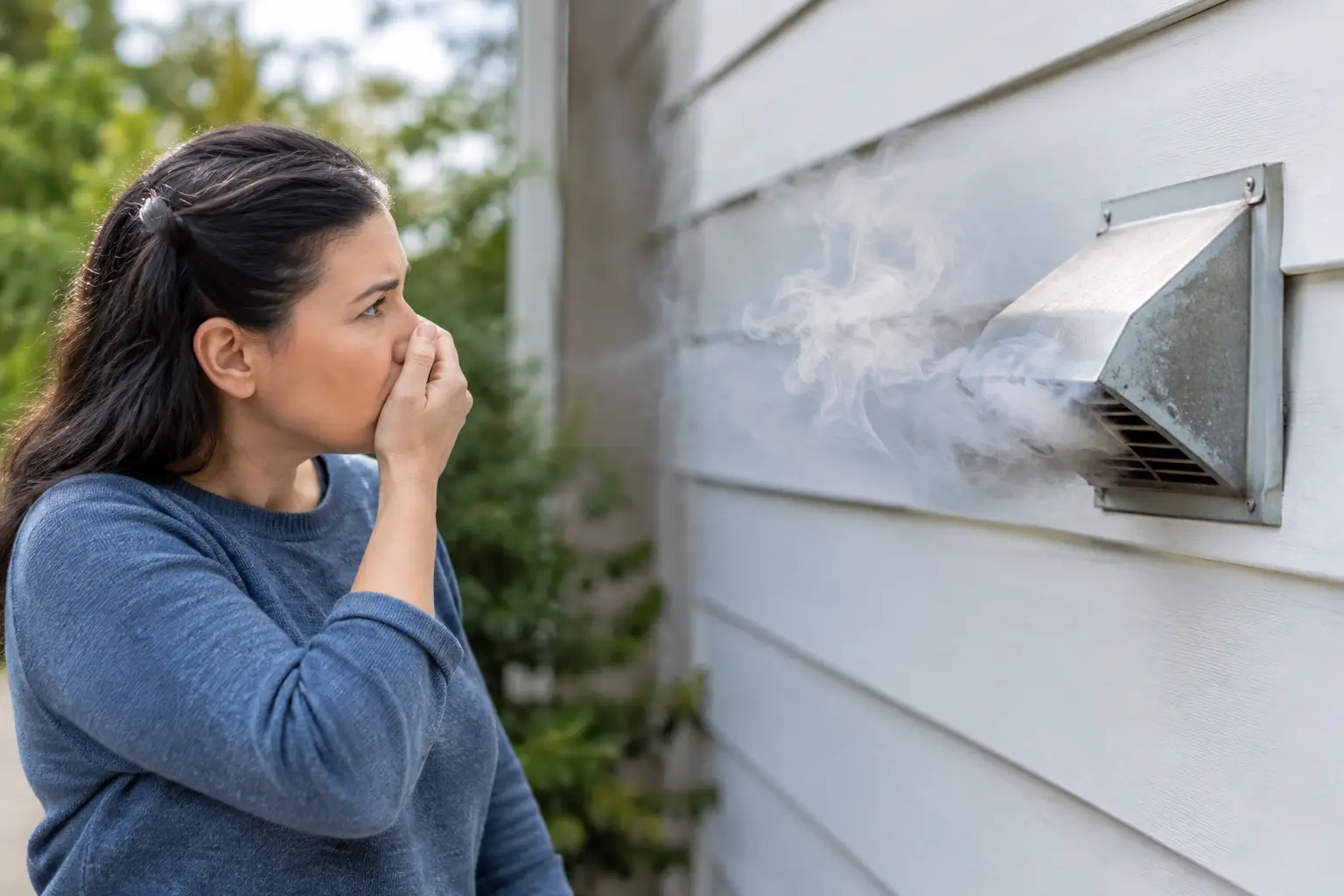
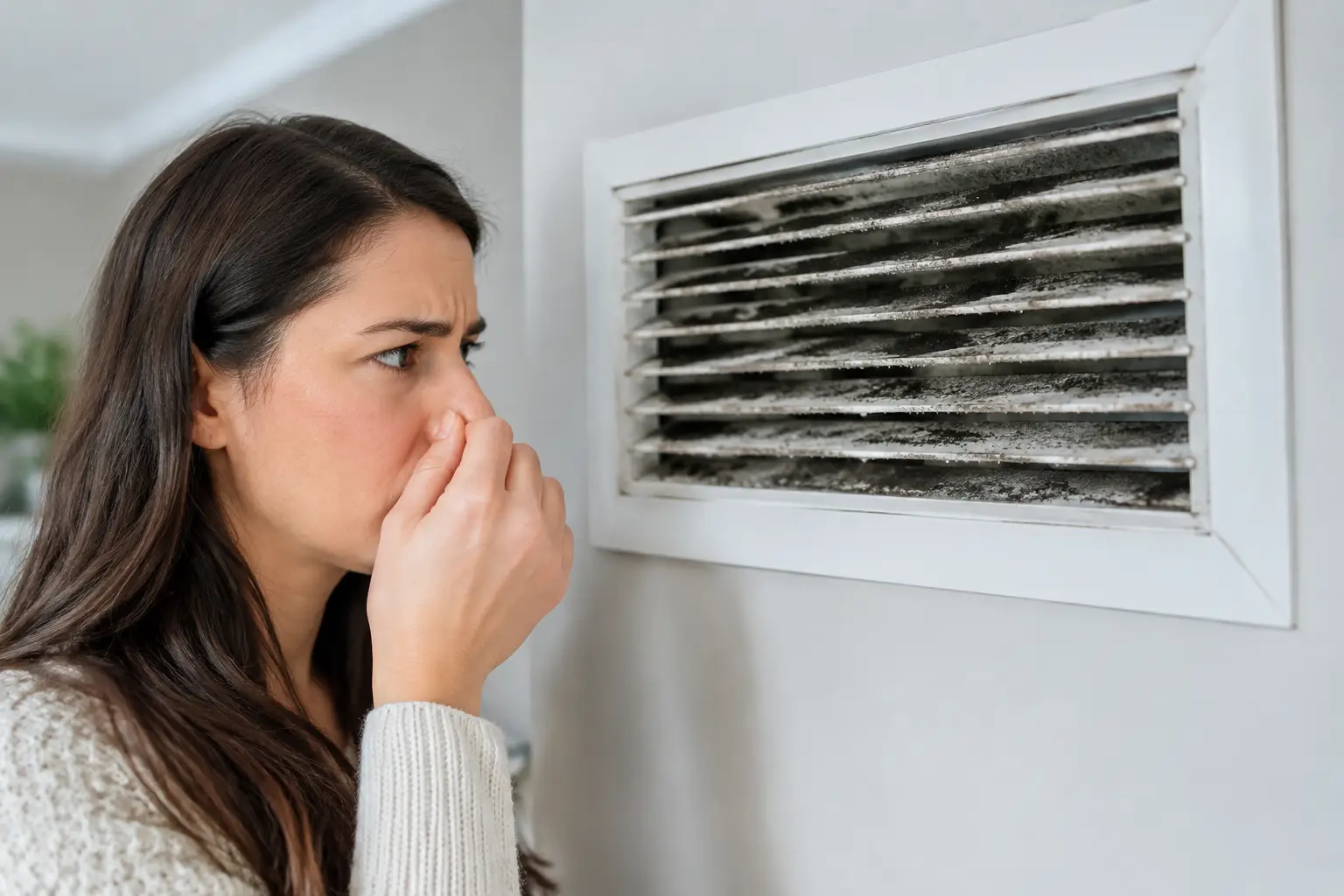
Do not wait for next year’s routine appointment if your fireplace is giving you warning signs. A strong smoky odor, especially during humid weather, can point to creosote or moisture-related issues in the chimney. Smoke entering the room when you light a fire may indicate a blocked flue, poor draft, or another venting problem.
Visible black flakes in the firebox, a heavy layer of soot on the damper, or dark deposits you can see just above the fireplace opening are reasons to arrange a professional evaluation. However, the most concerning buildup can be farther up the flue, where it is difficult and unsafe to inspect without the right equipment.
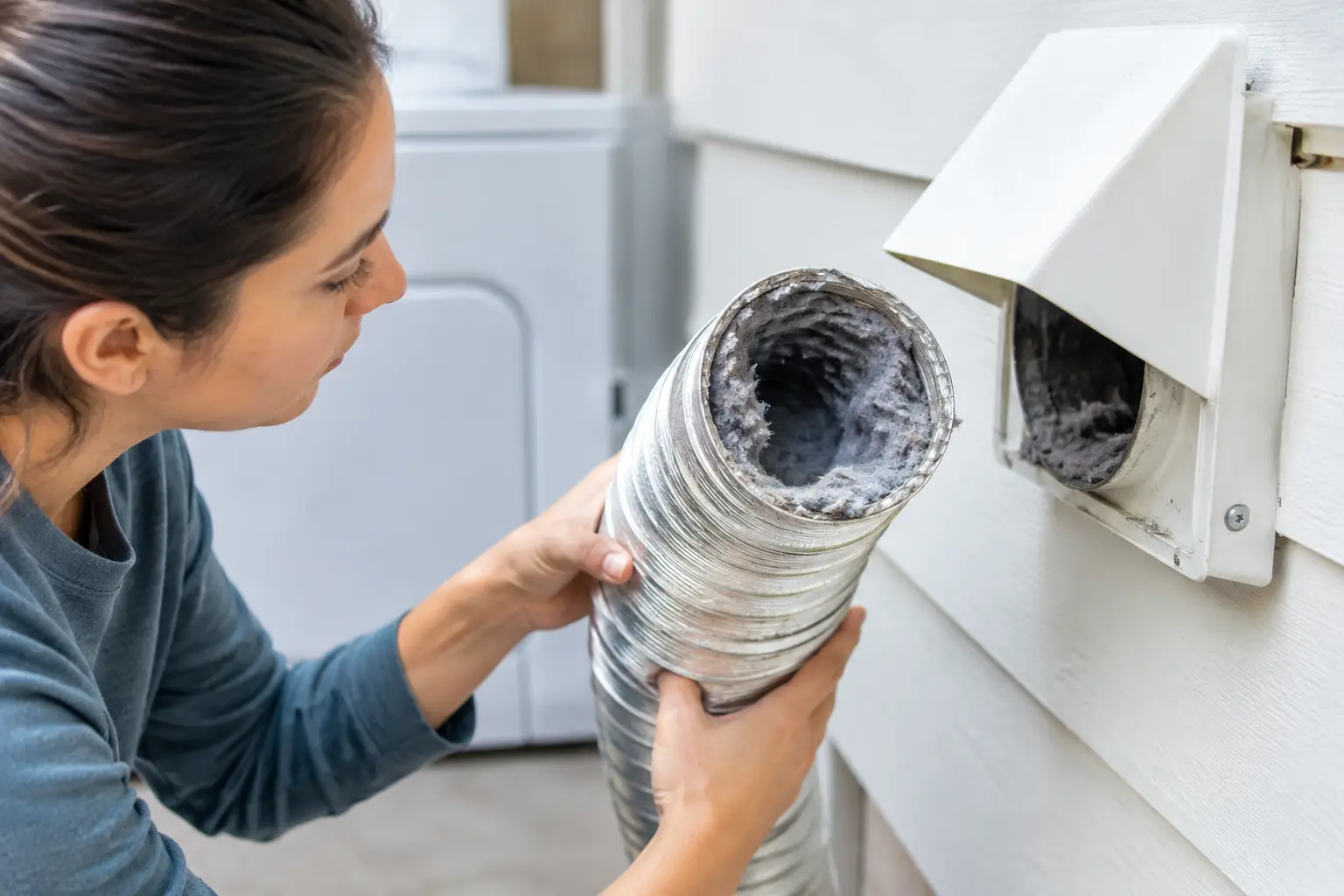
You should also schedule service promptly if you notice animal sounds, nesting material, leaves, or other debris in the fireplace. A damaged chimney cap or missing screen can give birds, squirrels, and raccoons an easy entry point. These obstructions can restrict exhaust and contribute to smoke or carbon monoxide concerns.
After a chimney fire, water leak, lightning strike, major storm, or masonry damage, stop using the fireplace until it has been inspected. A chimney may look fine from the living room while the liner or exterior structure has been compromised.
Fireplace Use Matters More Than the Calendar
An annual inspection is the baseline, but fireplace habits determine whether you need cleaning more frequently. A household that enjoys wood fires every weekend from October through March may build up enough creosote to need a yearly sweep without question. A home that uses a wood stove as a primary heat source may need more than one inspection during the burning season, depending on the appliance and wood quality.
On the other hand, a decorative fireplace used for a handful of holiday fires may have very little soot. That does not make an inspection optional. Infrequent use can hide issues because the chimney is not tested regularly by rising heat and draft. Debris, nesting, and moisture damage can still create a problem when you decide to light that first fire.
Landlords and small-business property managers should be especially consistent. When different residents or staff members use a fireplace, it is harder to know what was burned, how frequently it was used, or whether smoke problems occurred. A documented annual inspection and cleaning plan protects the property and gives occupants confidence that the system has been professionally checked.
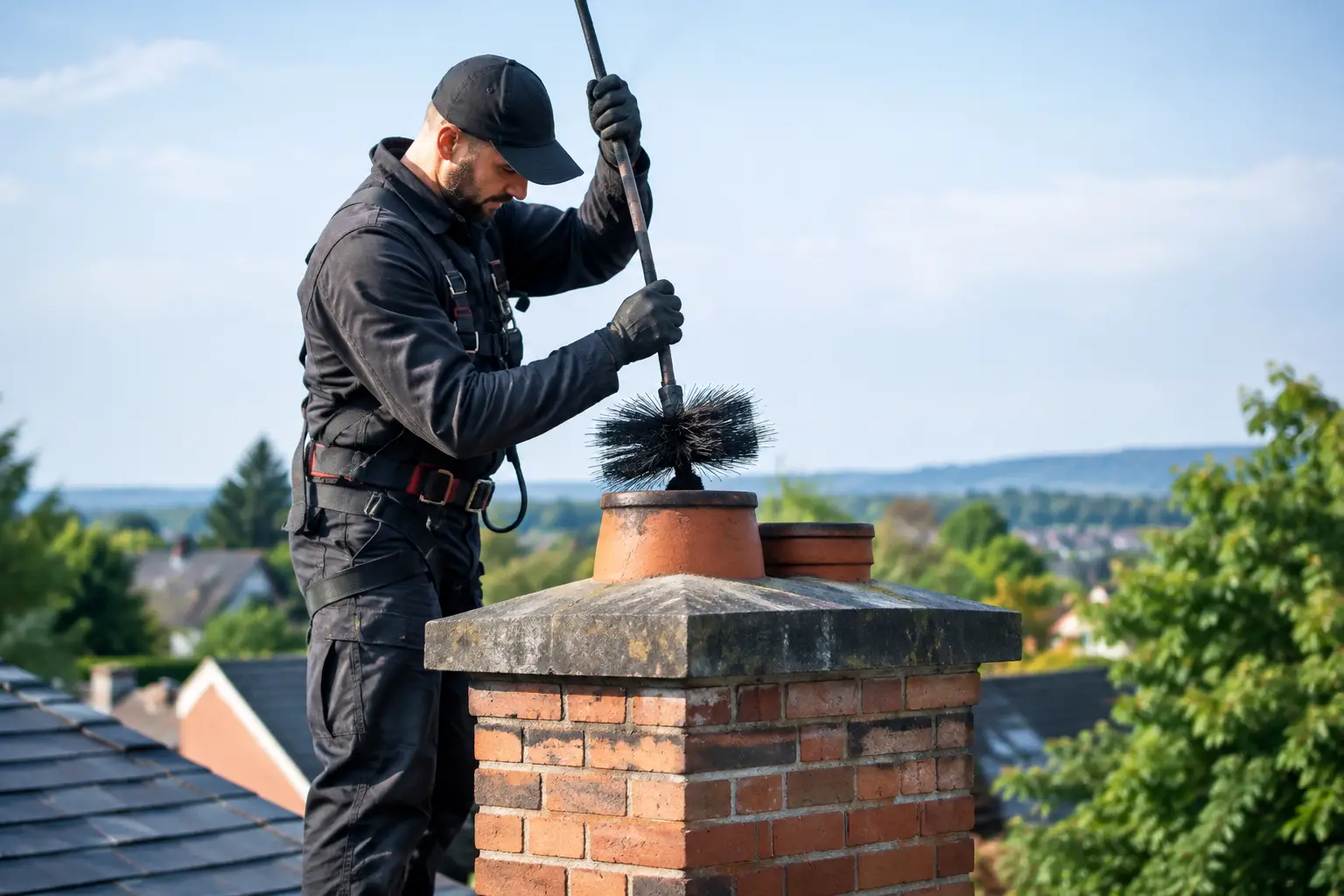
What a Professional Chimney Sweep Does
A proper chimney service is more thorough than brushing out the firebox. A trained technician evaluates accessible parts of the chimney system, including the firebox, damper, flue, smoke chamber, chimney cap, and visible masonry. The inspection looks for creosote, soot, blockages, signs of water intrusion, structural concerns, and conditions that could affect safe operation.
When sweeping is needed, specialized brushes and vacuum equipment remove soot and creosote while helping keep dust contained. The technician can also identify whether the buildup is typical or a clue that your fires are burning inefficiently. That distinction matters. Repeated heavy deposits may call for changes in wood storage, burning habits, appliance settings, or chimney repairs.
Professional cleaning is not a job to replace with a store-bought chimney log or a quick look up the flue. Some products may loosen certain deposits, but they do not inspect for damage or remove all forms of creosote. Climbing onto a roof or working inside a confined flue also creates real safety risks. A qualified sweep has the tools and experience to assess the full system.
Simple Habits That Help Keep Your Chimney Cleaner
The best maintenance plan combines professional service with smart fireplace use. Burn dry, seasoned hardwood whenever possible. Wood should be split, stored off the ground, protected from rain, and given enough time to dry before burning. Wet wood wastes energy, produces more smoke, and contributes to faster creosote formation.
Build bright, well-ventilated fires rather than slow, smoky ones. Open the damper fully before lighting a fire, and make sure it remains open until the fire is completely out and the ashes are cool. Never burn trash, cardboard with coatings, treated lumber, painted wood, or construction scraps. These materials can release harmful fumes and leave damaging deposits behind.
Keep the area around the hearth clear, use a fireplace screen, and test your smoke and carbon monoxide alarms regularly. These steps support fireplace safety, but they are not substitutes for chimney service. The chimney itself needs professional attention before a small buildup becomes a significant hazard.
When to Book Chimney Service in Maryland
Late summer and early fall are popular times to book a chimney inspection and sweep. Scheduling before the first cold stretch gives you time to address cleaning, cap replacement, masonry repairs, or liner concerns before you want to use the fireplace. It also helps you avoid the rush that often arrives after the season’s first chilly weekend.
If you have already started using your fireplace, do not assume you must wait until spring. A sweep can be scheduled during the heating season when buildup, odors, or draft issues appear. The safer choice is to pause use and have the chimney assessed rather than hoping the issue clears itself.
For homeowners in Mt. Airy and nearby communities, Bob’s Air Duct provides professional chimney sweeping focused on careful inspection, thorough cleaning, and respectful service in your home. A scheduled appointment can help you head into fireplace season with a clearer flue and greater peace of mind.
Your fireplace should be a source of comfort, not a question mark above the mantel. Put an annual chimney inspection on your home-maintenance calendar, pay attention to changes in how your fireplace performs, and arrange a professional sweep whenever buildup or warning signs call for it.