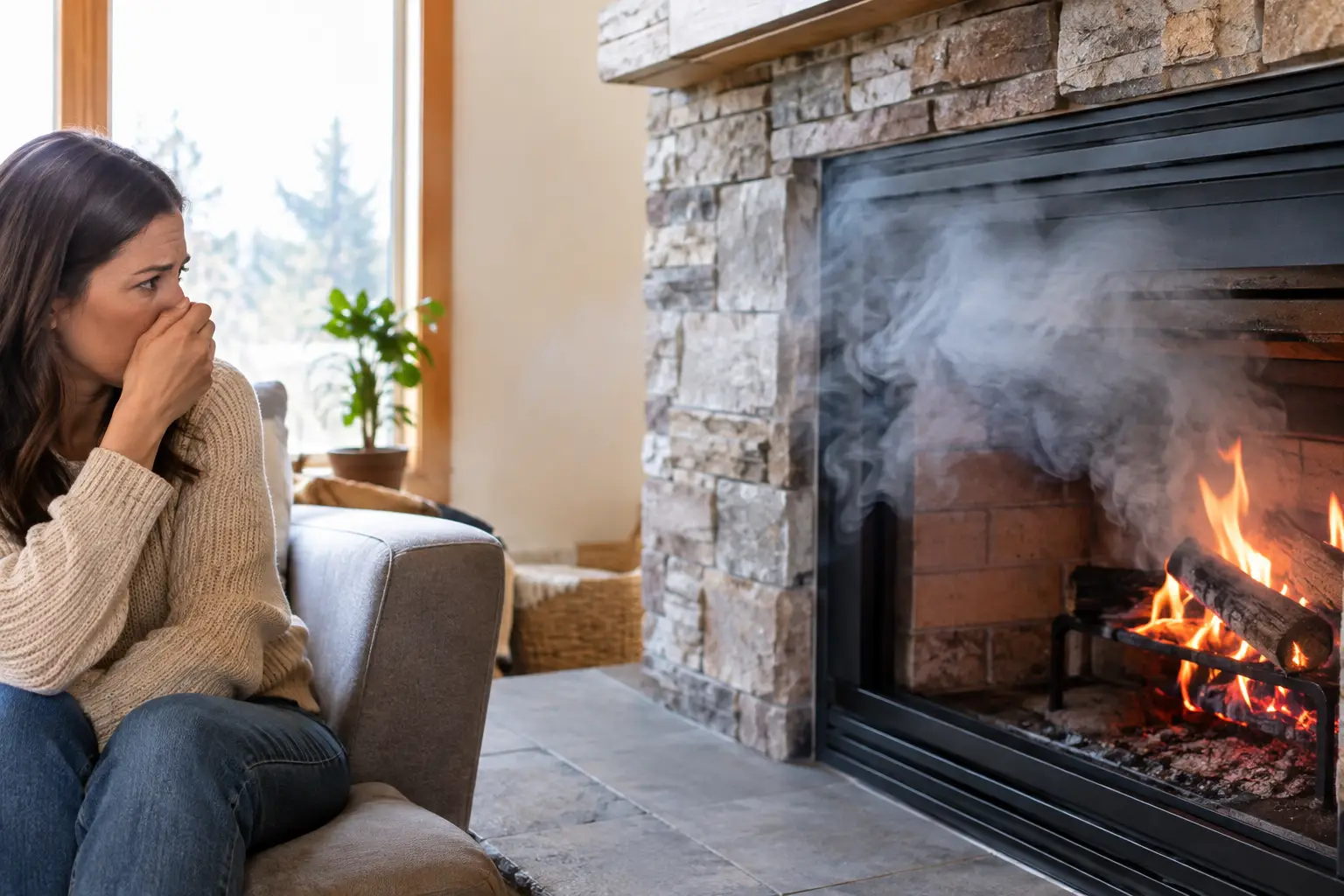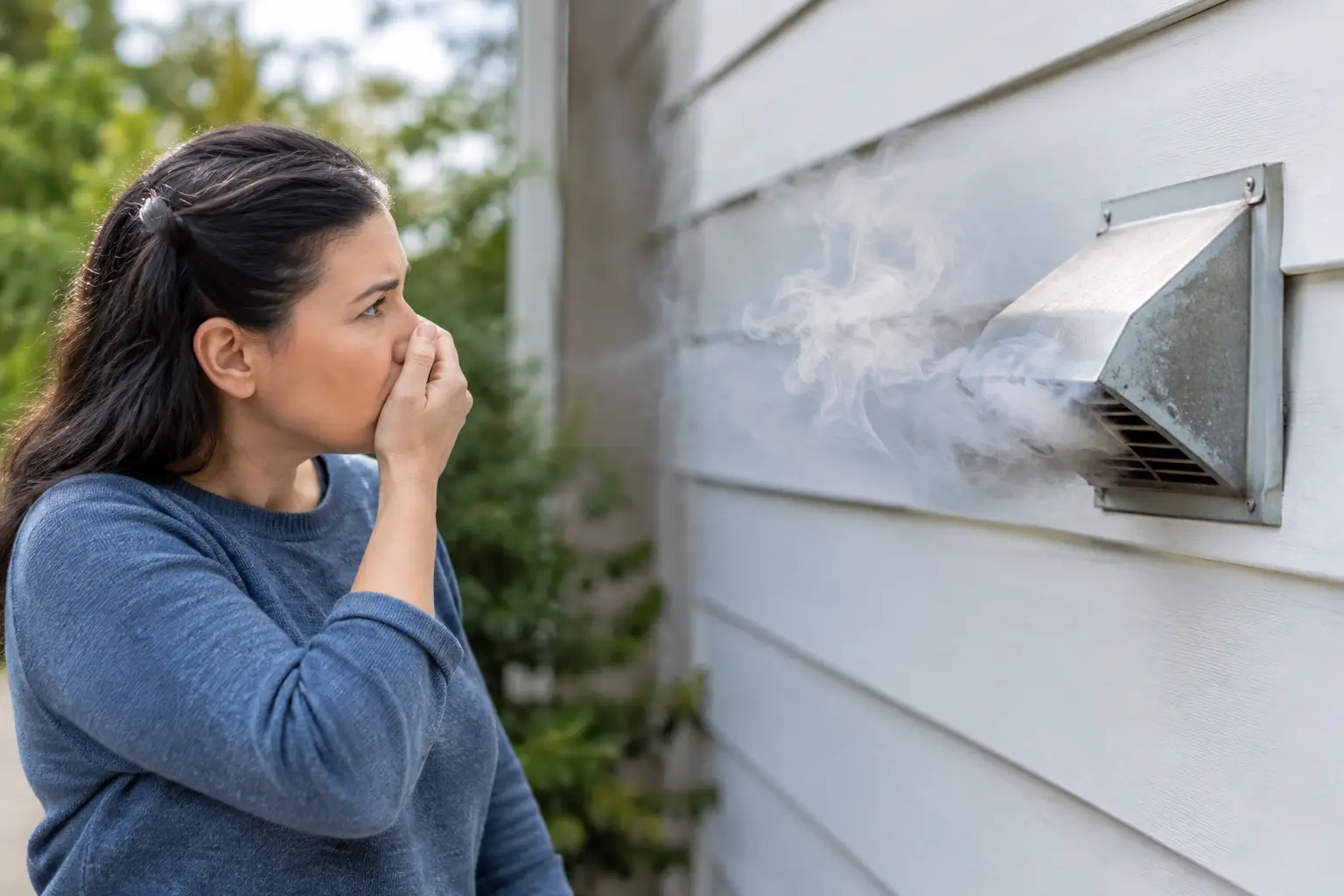
A fireplace should make a room feel warm and comfortable, not fill it with a sharp, smoky odor. When there is smoke coming into a room from the fireplace, treat it as more than an inconvenience. Smoke can irritate the eyes and lungs, leave soot on furnishings, and signal a chimney or venting problem that deserves attention before the next fire.
Sometimes the fix is as simple as opening the damper fully or changing how a fire is started. In other cases, the issue involves creosote buildup, a blockage, poor draft, or a damaged chimney component. Knowing the likely cause can help you respond safely and decide when a professional chimney inspection and sweeping are the right next step.
Why Smoke Comes Into the Room From a Fireplace
A working fireplace depends on draft. As the fire heats the air in the chimney, that air rises and pulls smoke, gases, and combustion byproducts safely outdoors. Anything that interrupts this upward flow can cause smoke to spill back into the room.
The first thing to check is the damper. If it is closed or only partly open, smoke has nowhere to go. Open it completely before lighting the fire, and look upward with a flashlight if it is safe to do so. Some dampers can appear open from the handle position while remaining partially obstructed by soot, rust, or a mechanical problem.
Cold air in the flue can also prevent the chimney from drafting properly. This is especially common when an exterior chimney has been sitting unused in cold weather. The cold, dense air can act like a plug, pushing smoke back into the house when a fire is first lit. A small amount of smoke at startup that clears after the flue warms may point to a cold-chimney issue. Smoke that continues throughout the fire points to a bigger concern.
Common Problems Behind Fireplace Smoke
Creosote and soot buildup
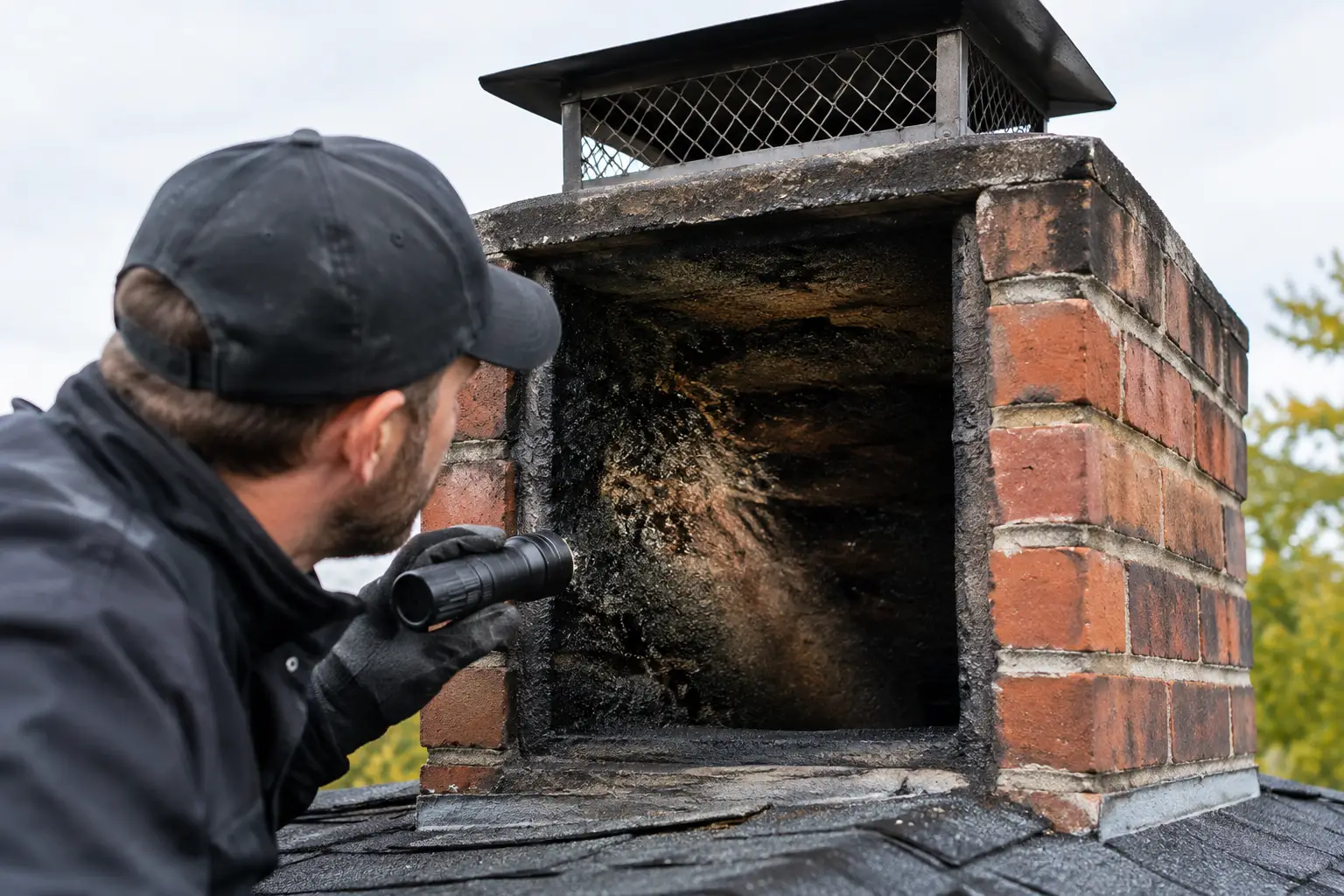
Burning wood creates soot and creosote, a sticky and highly flammable residue that clings to the inside of the chimney. Over time, this buildup narrows the flue and disrupts airflow. It also increases the risk of a chimney fire.
Creosote is more likely to build up when wood is damp, fires burn slowly for long periods, or the fireplace does not receive routine sweeping. A smoky fireplace, strong burnt odor, or black residue around the firebox can all be signs that the chimney needs professional attention.
A blocked chimney cap or flue
Leaves, twigs, nesting materials, and animal activity can block a chimney surprisingly quickly. A damaged or missing chimney cap makes these issues more likely. Even a partial blockage can reduce draft enough to cause smoke to enter the home.
Heavy storms and seasonal changes can introduce debris, particularly if the fireplace has not been used for several months. A blockage cannot always be seen from the firebox, so avoid trying to force it loose with improvised tools. That can damage the flue liner or push debris into a harder-to-reach area.
Wet or unsuitable firewood
Firewood should be properly seasoned before it is burned. Wet wood produces more smoke, burns at a lower temperature, and creates more creosote. If wood hisses, bubbles at the ends, or struggles to catch fire, it may contain too much moisture.
Use dry, seasoned hardwood whenever possible. Avoid burning treated lumber, painted wood, construction scraps, cardboard, trash, or glossy paper. These materials can release harmful fumes and leave residues that are hard on both the chimney and indoor air.
Not enough replacement air
A fireplace sends large amounts of air up the chimney. That air has to be replaced somewhere. In a tightly sealed home, the fireplace may compete with kitchen exhaust fans, bathroom fans, clothes dryers, or even a running HVAC system for available air.
If smoke worsens when an exhaust fan is on, try turning the fan off and slightly opening a nearby window. If the draft improves, negative pressure may be part of the problem. This does not replace a chimney inspection, but it is useful information to share with a qualified technician.
Chimney damage or design issues
A cracked flue liner, deteriorating mortar, a damaged cap, or an undersized chimney can interfere with safe performance. Nearby trees, a tall roofline, and wind patterns may also affect draft. These problems often require a more detailed evaluation because cleaning alone may not solve them.
Older homes can be especially complicated. A fireplace may have worked adequately for decades, then begin smoking after a roof change, new windows, an HVAC upgrade, or other changes that alter airflow around or inside the house.
What to Do When Smoke Is Coming Into the Room
If smoke starts entering the living area, do not continue feeding the fire. Keep children, pets, and anyone with asthma or respiratory sensitivities away from the room. If you can do so safely, stop adding wood and allow the fire to burn down under supervision.
Make sure the damper is fully open. Open a window slightly near the fireplace to provide replacement air, and turn off nearby exhaust fans. Do not use water to put out a fireplace fire unless there is an emergency, since rapid cooling can damage masonry and create a messy steam-and-ash problem.
If the room is filling with smoke, if you smell gas, if a carbon monoxide alarm sounds, or if you suspect a chimney fire, leave the home and call emergency services. A chimney fire may sound like a loud roar or popping noise, but it can also occur with few obvious signs. Safety comes before saving the fire.
Once the fireplace is cool, look for simple clues such as wet wood, a closed damper, or visible debris near the damper opening. Do not climb onto the roof or reach deep into the chimney. Chimneys have areas that require specialized equipment and a trained eye to inspect safely.
How to Prevent Fireplace Smoke Problems
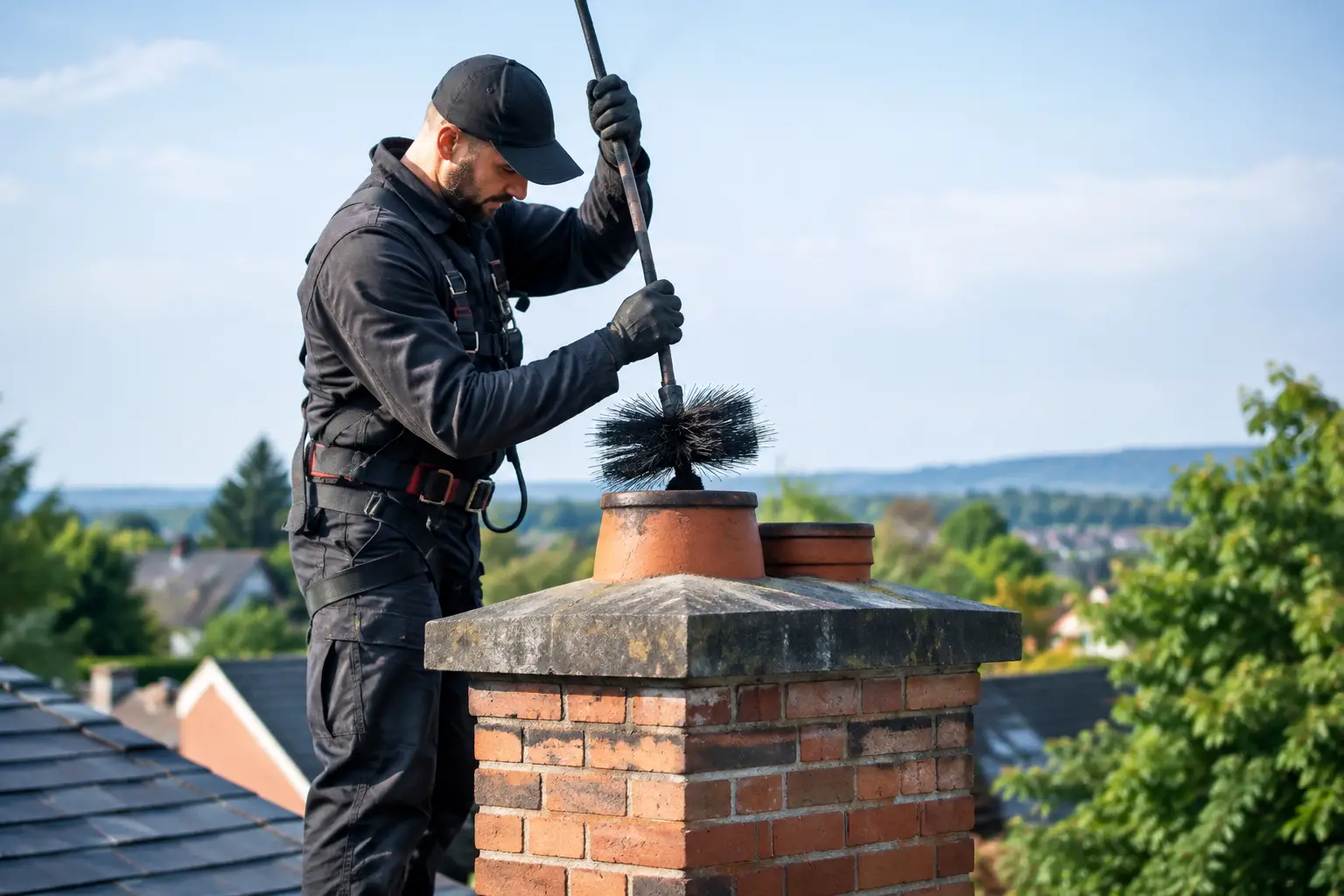
Regular maintenance is the most dependable way to reduce smoky fires and protect your property. The chimney should be inspected at least once a year, particularly before the heating season or after a long period without use. A professional sweeping removes soot, creosote, and accessible debris while allowing the technician to check the flue, cap, damper, firebox, and visible masonry for concerns.
Good burning habits matter, too. Build smaller fires with dry, seasoned wood rather than overloading the firebox. Start with kindling and allow the fire to establish a hot, clean burn. Keep the damper fully open until the fire is completely out and the ashes are cold.
Pay attention to changes. If your fireplace has always drafted well but suddenly sends smoke into the room, something has changed. It could be a blockage, buildup, weather-related damage, or a new airflow issue in the home. Addressing it early is usually safer and less costly than waiting for the problem to worsen.
When to Schedule a Chimney Sweeping
Schedule service promptly if smoke enters the room repeatedly, odors linger after a fire, you see excessive soot, or you have not had the chimney inspected within the past year. You should also arrange an inspection after a chimney fire, a major storm, animal activity near the chimney, or before using a fireplace in a home you recently purchased.
A thorough chimney service is not just about a cleaner firebox. It helps protect indoor air quality, supports proper draft, reduces fire risk, and gives you clearer information about the condition of an important part of your home. Bob’s Air Duct provides careful chimney sweeping and inspections designed to help local homeowners use their fireplaces with greater confidence.
A fireplace should be a source of warmth, not a reason to open windows in the middle of winter. If smoke keeps finding its way into your room, pause fireplace use and have the chimney evaluated before your next fire.