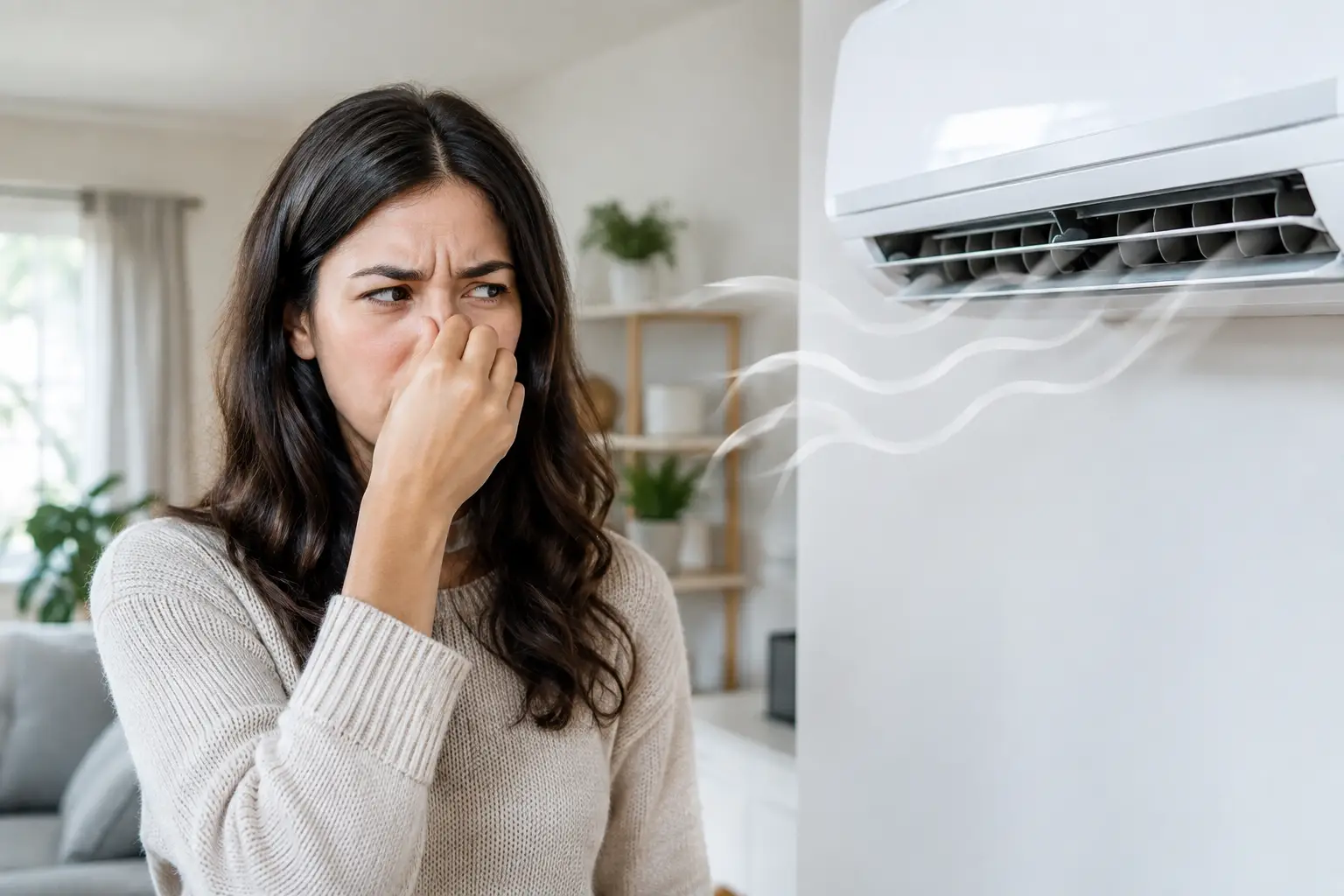
That odor that appears the moment your heat or air conditioning starts is more than an inconvenience. HVAC odors can point to ordinary dust, but they can also reveal excess moisture, a clogged drain, animal activity, or an electrical concern that deserves prompt attention. Knowing the difference helps protect your indoor air, your HVAC equipment, and the people who rely on it.
A smell that comes and goes with the system is especially useful information. Notice whether it occurs during heating, cooling, or whenever the fan runs. That detail can help a qualified technician identify the source and recommend the right cleaning, repair, or inspection.
Common HVAC Odors and What They Can Mean
A dusty or burning smell when heat starts
A brief dusty smell during the first few heating cycles of the season is often normal. Dust settles on furnace components and in nearby vents during the warmer months. When the system warms up again, that dust can burn away and create a temporary odor.
The key is whether the smell fades. If it disappears after a short period, it may simply be seasonal dust. If it persists, becomes smoky, or is accompanied by visible smoke, shut the system off and arrange for an HVAC inspection. A dirty filter, heavy buildup in the system, or an overheating component may be involved.
Musty, damp, or mildew-like odors
A musty smell often points to moisture. In cooling mode, condensation is a normal part of air conditioning. Problems begin when moisture does not drain properly or remains on coils, drain pans, insulation, or debris inside the system.
Dirty evaporator coils and clogged condensate drains can create a damp environment where mold-related growth may develop. In some homes, the odor may be coming from dust and moisture in ductwork rather than the equipment itself. Because the source is not always visible, guessing can lead to unnecessary work or leave the real issue untreated.
A professional inspection can determine whether the concern is a drain issue, coil buildup, duct contamination, or moisture entering from another part of the property. Addressing the water source matters just as much as cleaning affected surfaces.
A sour, stale, or dirty-sock smell
Some homeowners describe an air conditioner odor as sour, sweaty, or similar to dirty socks. This can happen when bacteria and organic debris collect on a damp evaporator coil. The odor may be strongest when the cooling system cycles on and humidity is high.
Replacing the filter may improve airflow, but it will not always remove buildup from the coil or drain system. A thorough HVAC cleaning and inspection can help identify what is creating the odor and whether recurring humidity is contributing to it.
Rotten egg or sulfur smells
A rotten egg smell requires immediate attention. Natural gas is treated with an odorant that makes leaks easier to detect. If you smell gas, do not try to locate the source yourself, operate electrical switches, light a flame, or restart the HVAC system.
Leave the building if the odor is strong, move to a safe location, and contact your gas utility or emergency services as appropriate. Once the immediate safety concern has been addressed, a qualified HVAC professional can inspect gas-fired equipment before it is used again.
Electrical, plastic, or burning rubber odors
An electrical smell can resemble hot plastic, melting insulation, or burning rubber. It may come from a failing motor, damaged wiring, an overheating blower, or another electrical component. This is not an odor to ignore, especially if the system trips a breaker, makes unusual noises, or loses airflow.
Turn off the system and schedule service. Continuing to run equipment with an electrical issue can cause more damage and may create a fire risk. Fast action is usually safer and less costly than waiting for a complete system failure.
Dead animal or pest-related odors
Rodents, birds, and insects sometimes enter ductwork, crawlspaces, attics, or outdoor HVAC components. A dead animal odor can become stronger whenever the blower moves air through the home. Droppings, nesting materials, and pest debris can also affect indoor air quality even when there is no strong smell.
The solution depends on where the issue is found. Removing the animal or nesting material is the first step. A thorough duct inspection and cleaning may be recommended if contaminants have entered the air distribution system. It is also wise to identify and seal the entry point so the problem does not return.
When HVAC Odors Point to Dirty Ductwork
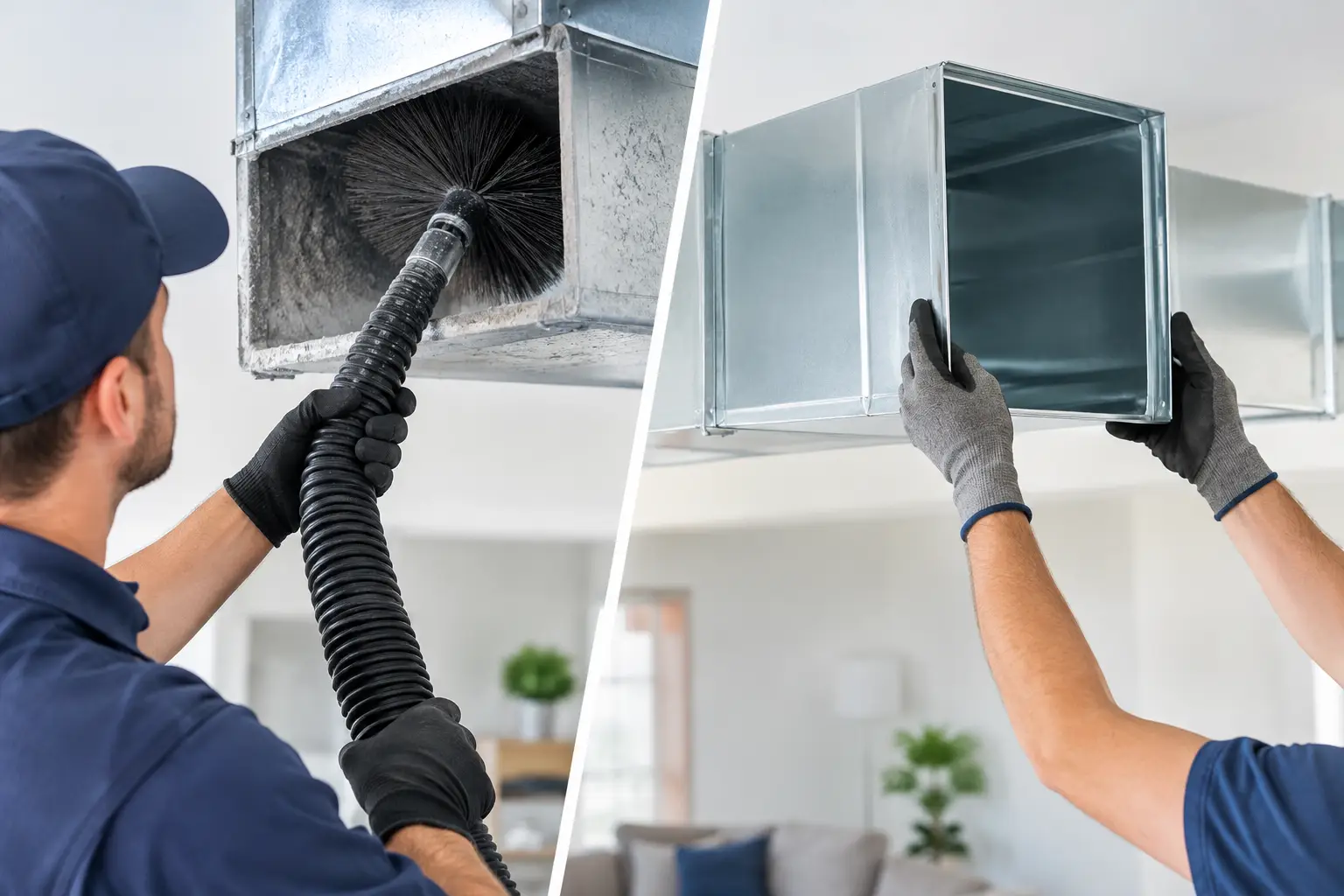
Ductwork does not create every odor in a home, but it can collect and distribute particles that make an existing issue more noticeable. Dust, pet dander, renovation debris, pest material, and moisture-related contaminants can build up over time. When the HVAC fan runs, those materials may affect the smell of the air coming from multiple rooms.
Duct cleaning is most useful when there is visible debris, confirmed contamination, pest activity, excessive household dust, or odors tied to the operation of the air system. It is not a substitute for repairing a leaking drain, damaged equipment, or a moisture problem. A dependable provider should explain what is found, what cleaning can address, and whether another repair is needed first.
For families with allergy-sensitive residents, pets, or frequent indoor activity, cleaner ductwork may also reduce the amount of dust that recirculates through the home. The result is not just a fresher-smelling space. It can support cleaner indoor air and help the system move air more efficiently.
Start With Safe, Practical Checks
Before arranging service, you can gather useful clues without taking apart the equipment. Replace a visibly dirty HVAC filter with the correct size and type for your system. Check whether supply vents are blocked by furniture, rugs, or boxes. Look around the indoor unit for standing water, water stains, or signs of a drain backup.
Also pay attention to timing. Does the smell begin only when cooling starts? Does it occur only on heat? Is it strongest near one vent, the indoor unit, or throughout the building? These observations give your technician a better starting point.
Avoid spraying fragrances, disinfectants, or odor-covering products into vents. They can mask the warning sign without correcting the cause, and some products can leave residue on HVAC components. Do not reach inside ducts, electrical compartments, or combustion equipment to investigate an odor.
Protecting Your Property With Preventive Care
Many HVAC odor issues are easier to prevent than to correct. Regular filter changes help keep dust from accumulating on sensitive components. Keeping drain lines clear, scheduling seasonal HVAC maintenance, and correcting water leaks early can limit the moisture conditions that lead to musty odors.
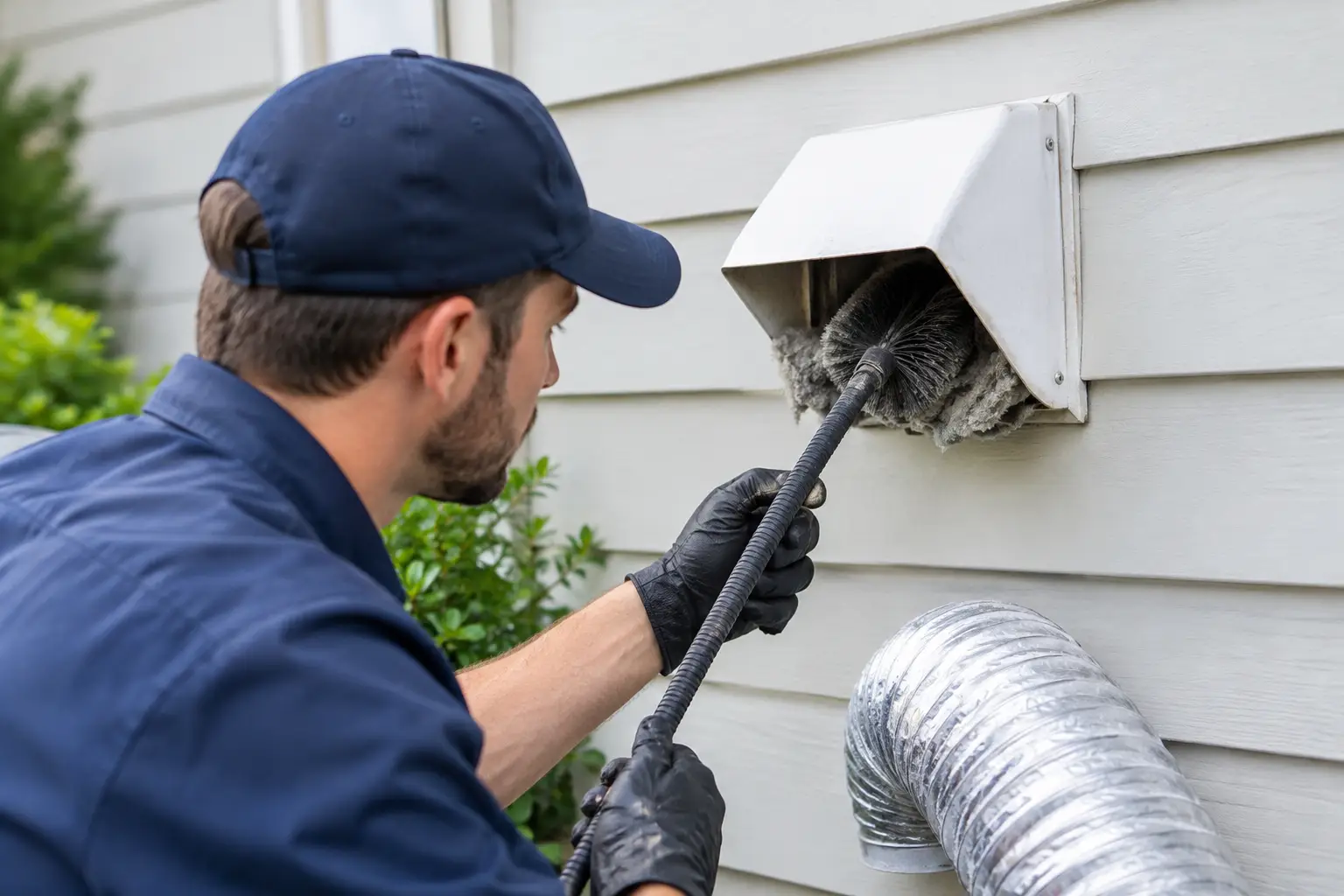
A professional duct cleaning can be a valuable part of preventive care when the system has been exposed to heavy dust, remodeling debris, pests, or visible buildup. Dryer vent cleaning matters, too. While dryer vent odors are separate from HVAC odors, lint buildup can create stale smells, reduce dryer performance, and increase fire risk.
For Mt. Airy homeowners, landlords, and small-business property managers, the right response depends on the odor and its source. Bob’s Air Duct provides thorough air duct cleaning and inspections that help remove debris while giving you a clearer picture of your ventilation system’s condition.
If an odor is persistent, worsening, or paired with smoke, water, poor airflow, or unusual system behavior, trust that signal. A timely professional inspection can replace uncertainty with a safer, cleaner, more comfortable property.