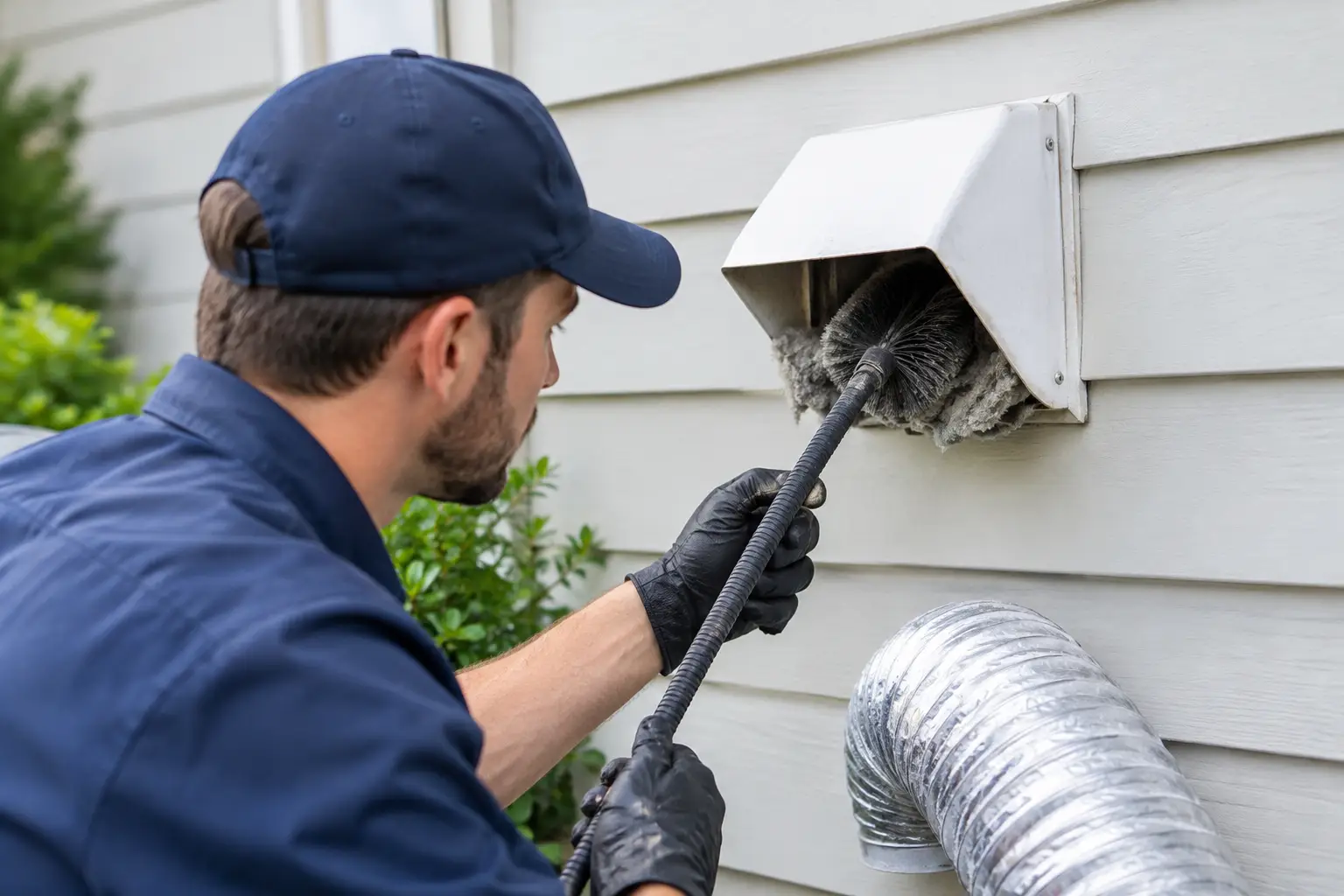
A dryer that takes two or three cycles to dry a normal load is not just an inconvenience. Dryer vent blockages can trap heat, force your appliance to work harder, raise utility costs, and create a serious fire concern inside your home. For homeowners and property managers in Mt. Airy and surrounding communities, recognizing the early signs can prevent a small maintenance issue from becoming costly appliance damage or a dangerous emergency.
Warning Signs of Dryer Vent Blockages
Your dryer gives several clues when airflow is restricted. The most common sign is clothing that remains damp after a full cycle, especially towels, jeans, bedding, and other heavier items. Before assuming the dryer itself has failed, consider whether lint or debris is preventing moist air from escaping outdoors.
Watch for these warning signs:
- Clothes are unusually hot at the end of a cycle, yet still damp.
- Drying times keep getting longer than they used to be.
- The laundry room feels hot, humid, or has a burning or musty odor while the dryer runs.
- The outside vent flap does not open properly or has little visible airflow.
- Lint collects around the dryer, behind the appliance, or near the exterior vent opening.
A hot dryer cabinet is another concern. Some warmth is normal, but excessive heat suggests that air is backing up in the system rather than moving through the vent as designed. If you smell something burning, turn the dryer off, unplug it if it is safe to do so, and arrange for an inspection before using it again.
Why Dryer Vents Become Blocked
Lint is the most familiar cause, but it is not the only one. Every load produces lint, including loads washed with fabric softener or dried after cleaning the lint screen. The screen catches a large portion of it, but fine fibers still travel into the ductwork. Over time, those fibers can cling to the vent walls, collect at turns, and narrow the passage where air should flow freely.
Long vent runs are more likely to develop problems, particularly when the duct has multiple bends or travels through a wall, crawlspace, attic, or roof. Crushed flexible ducting behind the dryer can also restrict airflow immediately. From the outside, birds’ nests, insects, leaves, or a damaged vent cover may block the termination point.
Not every blockage looks the same. A vent can be partly obstructed and still allow the dryer to operate, which is why the issue often goes unnoticed for months. The appliance compensates by running hotter and longer. That extra strain is hard on heating components, motors, belts, and your monthly energy bill.
The Fire and Efficiency Risks
Lint is highly flammable. When it accumulates inside a hot vent system, it creates fuel near an appliance that produces significant heat. Restricted airflow makes the problem worse because heat cannot dissipate as effectively. While a clean vent cannot eliminate every dryer-related risk, it is one of the most practical ways to reduce the conditions that can contribute to a fire.
The financial impact matters, too. A dryer with poor ventilation may need repeated cycles to finish the same load. That uses more electricity or gas and puts more wear on clothing. Delicate fabrics can shrink, fade, or deteriorate sooner when they are repeatedly exposed to excess heat.
For landlords and small-business property managers, this is also a property-protection issue. Shared laundry areas, multifamily units, salons, gyms, and other businesses with frequent laundry use may produce lint much faster than a single household. These systems deserve a regular maintenance schedule based on actual use, not only on whether a problem has become obvious.
What Professional Dryer Vent Cleaning Addresses
Cleaning the lint screen is essential, but it does not clean the full vent path. A professional dryer vent service addresses the ductwork from the dryer connection through the exterior exit point. The technician can inspect the accessible system for lint buildup, disconnected sections, crushed ducting, improper materials, damaged vent covers, and nesting debris.
Using specialized tools, a thorough cleaning removes accumulated lint and debris from areas a homeowner cannot safely reach with a vacuum attachment. The service should also confirm that air can move properly to the exterior. If the vent route has a design issue, such as too many sharp turns, a professional can explain the concern and recommend an appropriate repair or improvement.
This is not always a job to handle with a basic brush kit. Improper cleaning can compact lint farther into the duct, damage flexible vent material, disconnect hidden sections, or leave the main restriction untouched. Roof-vented systems and long runs can be especially difficult to inspect safely. A trained local technician brings the equipment and experience to clean the system thoroughly while respecting your home or business.
At Bob’s Air Duct, dryer vent cleaning is approached as a safety and performance service, not a quick surface cleaning. The goal is straightforward: help your dryer exhaust moisture and heat properly, reduce lint-related hazards, and support dependable appliance operation.
How to Help Prevent Future Blockages
Between professional cleanings, a few simple habits can make a meaningful difference. Clean the lint screen before every load, and occasionally wash it with warm water and mild dish soap. Fabric softener residue can form a nearly invisible film on the screen that reduces airflow even when it appears clean.
Keep the area behind and around the dryer free of lint and stored items. Do not push the dryer so tightly against the wall that the vent hose becomes kinked or crushed. Outside, check that the vent flap can open when the dryer is running and that it is not blocked by landscaping, snow, leaves, or visible nesting material.
It also helps to avoid overdrying. Choose the moisture-sensor setting when your dryer has one, and remove clothes when they are dry. This does not replace vent cleaning, but it reduces unnecessary heat exposure and energy use.
When Should You Schedule Service?
Many households benefit from a professional dryer vent inspection and cleaning about once a year. However, the right interval depends on the length of the vent, the number of people in the home, how often laundry is done, whether pets shed heavily, and whether the dryer serves more than one unit.
Schedule sooner if you notice long drying times, excess heat, poor airflow outdoors, or a burning smell. New homeowners should also consider an inspection if they do not know when the vent was last cleaned. It is far easier to remove accumulating lint on a planned visit than to respond after the dryer has overheated or stopped working.
A dryer should make laundry easier, not leave you wondering why every load takes twice as long. Paying attention to airflow now protects your appliance, helps control energy costs, and gives your household one less hidden safety concern to carry. If your dryer is showing signs of restricted ventilation, a professional inspection can provide clear answers and peace of mind.