A home can look spotless and still send dust into the air each time the furnace or air conditioner starts. If certain rooms feel stuffy, odors appear when the HVAC system runs, or family members seem more bothered by allergies indoors, your indoor air quality may be part of the problem. These signs are easy to dismiss, but they can point to buildup, poor ventilation, excess moisture, or maintenance needs that deserve attention.
For homeowners and property managers, cleaner air is about more than comfort. It supports a healthier living or working environment, helps HVAC equipment move air more efficiently, and gives you a clearer picture of what is happening inside the parts of your property you cannot see every day.
Why Indoor Air Quality Changes Over Time
Every occupied building collects particles. Dust, pet dander, pollen, skin cells, fabric fibers, and outdoor debris enter through doors, windows, shoes, and normal daily activity. Some of it settles on surfaces where you can wipe it away. Some of it is pulled through return vents and circulated through the HVAC system.
A standard HVAC filter catches a portion of airborne particles, but it is not a complete solution. Filters become loaded, may be installed incorrectly, or may not be rated for the needs of a household with pets, allergies, or heavy seasonal pollen. When airflow is restricted or contaminants have accumulated in ducts and vents, the system can continue distributing particles through the home.
Moisture adds another concern. Leaks, high humidity, condensation near cooling components, or water damage can create conditions that support mold-related contaminants. Air duct cleaning is not a substitute for fixing a moisture source or handling a confirmed mold problem correctly. The source must be identified and addressed first. Once that is done, a proper inspection can determine whether cleaning of the ventilation system is appropriate.
In Mt. Airy and throughout Maryland, the shift between humid summers and heating season can make these issues more noticeable. Homes are closed up for long stretches, heating and cooling systems run more often, and allergens from outdoors can follow people and pets inside.
Signs Your Air May Need Attention
No single symptom proves there is a duct problem, but patterns matter. A layer of dust that returns quickly after cleaning may mean there is a high particle load in the home or an HVAC filter issue. Dusty supply registers, visible debris around returns, and airflow that seems weaker in certain rooms are also worth checking.
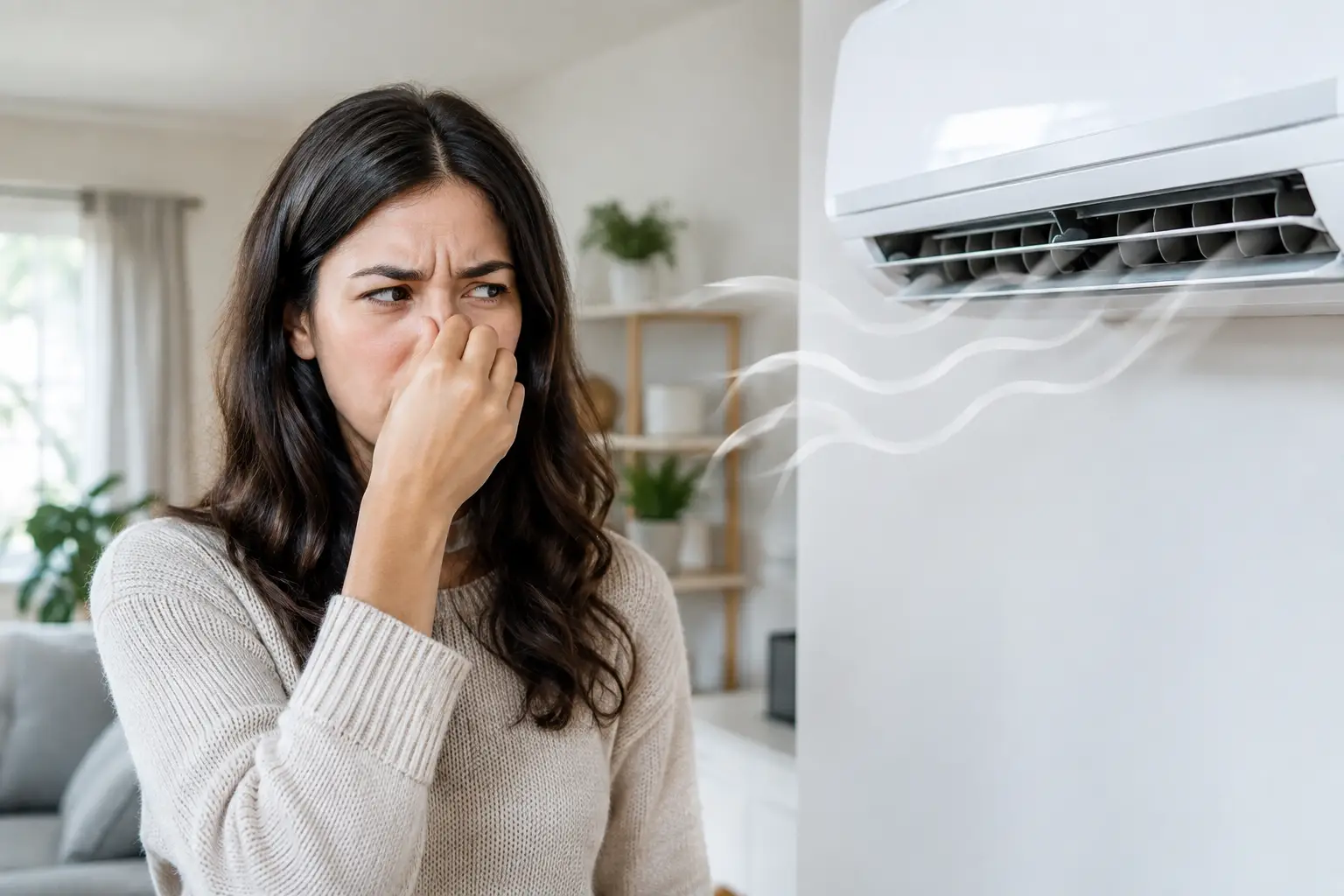
Odors are another useful clue. A stale smell when the system first turns on can come from dust accumulation, a dirty filter, moisture around equipment, or another issue within the HVAC system. A musty odor should never be ignored, especially if it is paired with visible water damage, condensation, or a history of leaks.
Pay attention to how the people in the building feel as well. Sneezing, irritated eyes, coughing, or allergy symptoms can have many causes, including seasonal pollen, pets, cleaning products, and outdoor air pollution. Still, if symptoms improve when someone leaves the building or get worse when the HVAC system operates, it is reasonable to investigate the indoor environment.
For commercial spaces and rental properties, complaints from occupants can be an early warning. A small office with persistent dust, uneven airflow, or noticeable odors may need more than a new air freshener. A thorough look at filters, vents, ducts, and maintenance history is the more responsible next step.
What Supports Better Indoor Air Quality
Improving indoor air quality usually takes a combination of regular housekeeping, good filtration, moisture control, and professional maintenance when needed. The right approach depends on the property, the age and condition of the HVAC system, and what is actually causing the concern.
Start with the basics. Replace HVAC filters on the schedule recommended for your system and household conditions. A home with shedding pets, renovation dust, or allergy-sensitive residents may need more frequent changes than a lightly occupied home. Use the filter size and rating approved for your equipment. A filter that is too restrictive can reduce airflow and create other performance problems.
Keep supply and return vents clear of furniture, rugs, and stored items. Vacuum around registers and returns, and clean visible dust from vent covers. This will not clean the ductwork itself, but it helps prevent surface buildup from being pulled into the system.
Control moisture whenever possible. Repair plumbing leaks promptly, use bathroom and kitchen exhaust fans, and address condensation around windows or HVAC equipment. If a basement or other area stays damp, a dehumidification plan may be needed. Cleaner air is difficult to maintain when moisture problems remain unresolved.
It also helps to limit what enters the home. Removing shoes at the door, grooming pets regularly, and vacuuming with effective filtration can reduce the particles that eventually make their way into the air-handling system. These habits are practical, but they do not replace service when ducts contain substantial dust and debris.
When Air Duct Cleaning Makes Sense
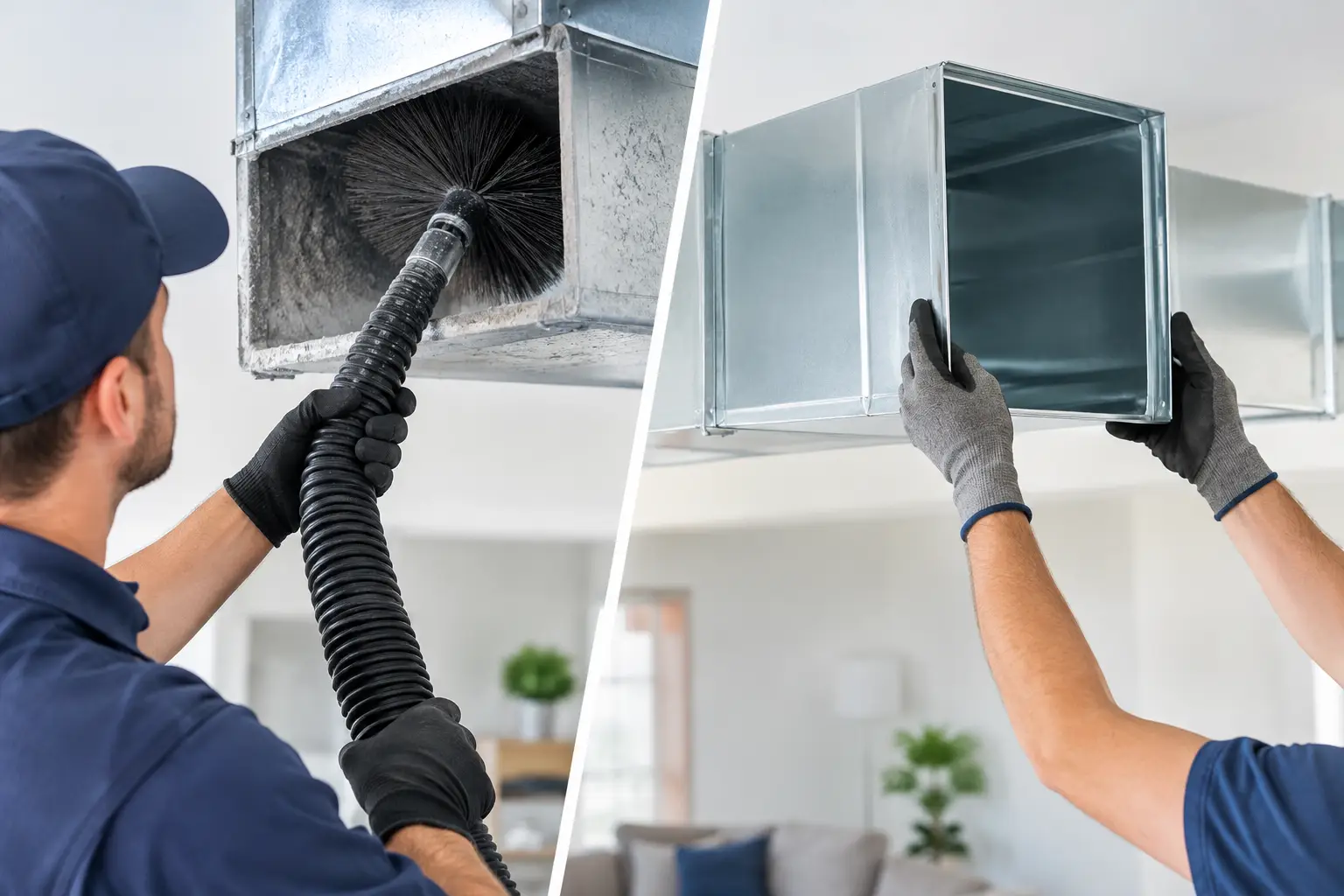
Professional air duct cleaning is most valuable when there is a clear reason to clean. That may include visible dust or debris at registers, post-construction particles, a long gap in HVAC maintenance, heavy pet dander, recurring household dust, or signs that the system has been pulling in contaminants from an unconditioned area.
A thorough service should focus on the full system, not just the vent covers you can see. Trained technicians inspect accessible components, use specialized equipment to loosen and remove buildup, and work carefully to protect the home while cleaning. The goal is to remove accumulated debris from the duct system rather than simply mask an odor or make the registers look better.
There are limits to what duct cleaning can do. It will not solve poor insulation, a damaged HVAC unit, a neglected filter, an active water leak, or outdoor pollen entering through open windows. It also cannot promise to eliminate allergies. What it can do is reduce one possible reservoir of dust and debris, improve cleanliness within the ventilation system, and support better airflow when buildup has been a contributing issue.
For homeowners who use fireplaces, chimney maintenance belongs in the broader conversation about the indoor environment. Soot and creosote buildup can affect fireplace performance and create a serious fire risk. A chimney inspection and sweeping help keep the venting path clear and help protect the home from preventable hazards.
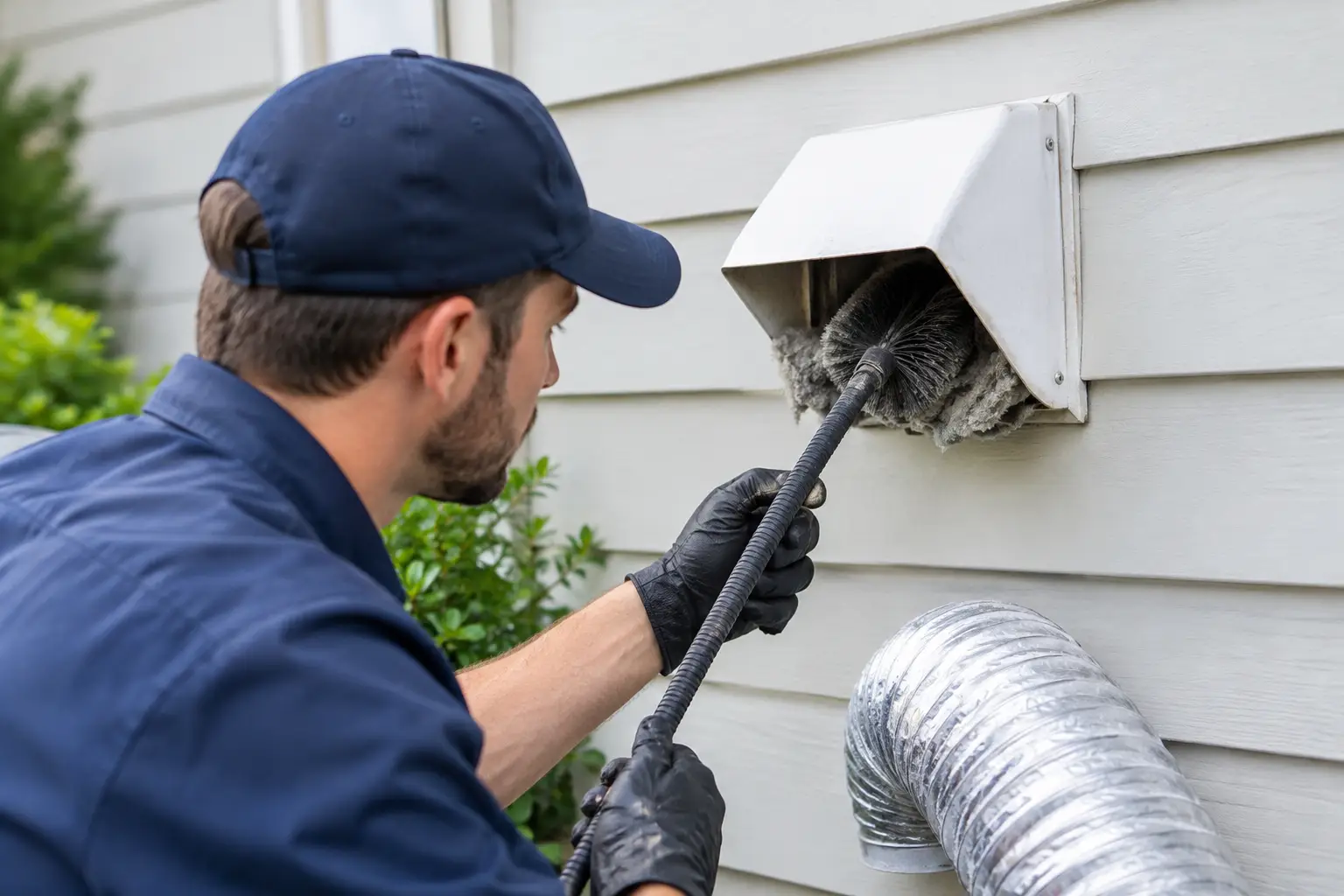
Dryer vents matter, too. They do not typically connect to your central HVAC ducts, but a clogged dryer vent can force lint and moisture into places they do not belong while making the dryer run longer. Regular dryer vent cleaning improves appliance performance and reduces a major fire hazard.
A Practical Maintenance Plan for Your Property
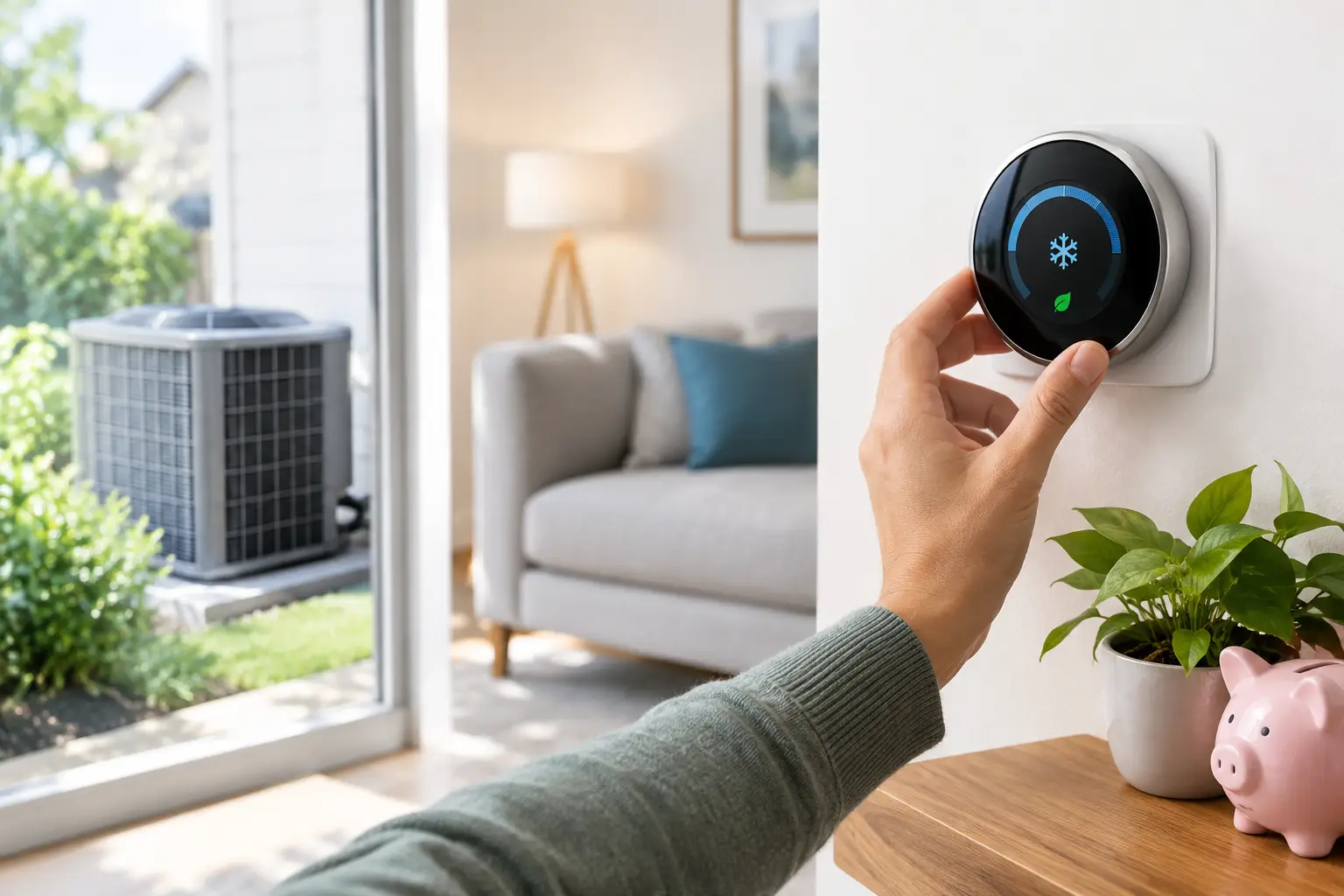
A reliable maintenance routine does not need to be complicated. Check your HVAC filter regularly, especially during heavy heating and cooling months. Watch for dust at vents, unusual odors, humidity problems, and changes in system performance. Schedule service after major renovations, water damage that has been fully repaired, or when buildup and airflow concerns become persistent.
If you manage a rental or small commercial property, keep a simple record of filter changes, HVAC service, dryer vent cleaning, and chimney work. This makes it easier to spot recurring problems and helps you plan maintenance before a comfort issue or safety hazard becomes urgent.
When you call a professional, ask what the inspection includes, how the system will be cleaned, and whether the technician found a condition that needs repair by another qualified trade. Straightforward answers and clear pricing are signs of a service provider that respects your property and your time. Bob’s Air Duct approaches each appointment with that same focus on thorough work, safe practices, and practical recommendations.
Protect the Air You Live With Every Day
The air moving through your home or business affects the spaces where people sleep, work, gather, and recover at the end of the day. You do not need to wait for a major odor, visible debris, or an HVAC breakdown to pay attention to it. If the signs have been building, a professional inspection can replace uncertainty with a clear, sensible plan for a cleaner and safer property.