Dust on the coffee table an hour after cleaning is more than a housekeeping frustration. It can signal that your home is pulling particles in, recirculating them, or holding onto them in places you cannot easily see. Knowing how to reduce indoor dust starts with controlling the sources, cleaning more effectively, and keeping your heating and cooling system in good working order.
For families with allergies, pets, young children, or frequent HVAC use, dust control can make the home feel more comfortable between cleanings. It can also help protect HVAC equipment from unnecessary buildup. The goal is not a perfectly particle-free house. That is unrealistic. The goal is to reduce the amount of dust that enters, collects, and circulates through your living space.
Where Household Dust Really Comes From
Indoor dust is a mix of ordinary materials: soil tracked in from outdoors, pet dander, fabric fibers, pollen, hair, skin flakes, paper fibers, and particles from cooking or fireplaces. In Maryland, seasonal pollen and damp weather can add to the challenge, especially when windows are open or family members and pets move in and out frequently.
Some dust settles quickly on surfaces. Finer particles can remain suspended in the air and be drawn toward return vents, where the HVAC system filters and recirculates air. This does not mean dirty air ducts are the cause of every dusty room. Dust can build up quickly even in a well-maintained home. However, neglected filters, leaky ducts, return vents near dusty areas, and buildup within the system can all contribute to a recurring problem.
Before buying another air purifier or changing your whole cleaning routine, look for patterns. Is dust worst near entryways? Does it appear heavily when the heat or air conditioning runs? Is one room noticeably dustier than the rest? Those details can point to the source.
How to Reduce Indoor Dust at the Source
The simplest dust-control habits are often the most effective because they prevent particles from spreading across the house in the first place.
Start at the doors. Use sturdy doormats outside and inside each frequently used entrance, and clean them regularly. Asking family members and guests to remove shoes indoors can significantly reduce the dirt, pollen, and road dust carried onto floors. If shoes stay on, vacuum entry rugs often and mop hard flooring nearby.
Pet care matters, too. Brushing pets outdoors when possible removes loose hair and dander before it reaches sofas, bedding, and HVAC returns. Wash pet bedding routinely, and vacuum upholstered furniture where pets rest. You do not need to keep pets off every piece of furniture, but limiting access to bedrooms can help allergy-sensitive household members sleep more comfortably.
Soft surfaces hold dust longer than smooth ones. Wash sheets weekly, including pillowcases, and clean blankets, throw pillows, curtains, and washable rugs on a schedule that fits how heavily they are used. Consider reducing clutter on open shelves and counters. Decorative items are not a problem by themselves, but many small objects create more surfaces that need attention and make thorough dusting harder.
Clean in an Order That Captures Dust
Dry dusting with a feather duster often moves particles into the air, where they settle somewhere else. A microfiber cloth slightly dampened with water is usually a better choice for hard surfaces because it traps dust instead of simply pushing it around. Work from high to low: ceiling fans, shelves, furniture, baseboards, then floors.
Vacuuming is most effective when the vacuum has a sealed system and a HEPA filter, particularly for households with allergies or pets. Use attachments on upholstery, blinds, vents, mattress edges, and along baseboards. Vacuum slowly enough for the machine to lift embedded particles, especially on carpet and area rugs.
For a practical weekly routine, focus on the areas that collect and distribute dust most quickly:
- Vacuum floors, rugs, upholstered furniture, and entryways.
- Wipe hard surfaces, window sills, ceiling fan blades, and baseboards with microfiber.
- Launder bedding and pet bedding.
- Check the HVAC filter and clear visible dust from supply and return vent covers.
Mopping hard floors after vacuuming captures the fine residue left behind. If you are cleaning a very dusty home, wear a well-fitting mask while vacuuming or dusting, especially if you are sensitive to allergens.
Use the Right HVAC Filter and Replace It on Time
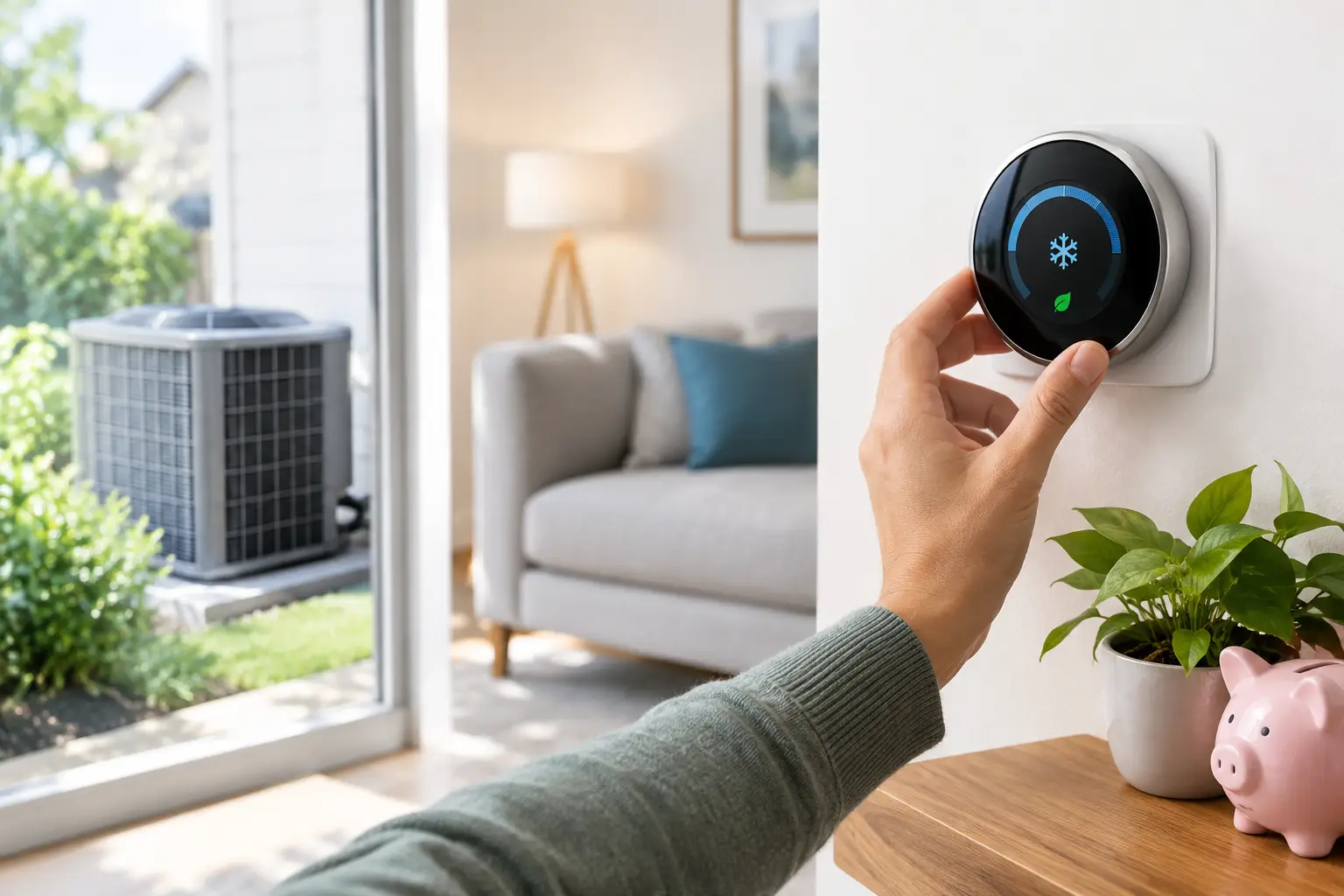
Your HVAC filter is one of the most useful tools for reducing airborne dust, but only when it fits properly and is changed on schedule. A filter that is clogged with dust restricts airflow. That can make heating and cooling equipment work harder, affect comfort, and allow more particles to remain in circulation.
Check the filter monthly, especially during heavy heating and cooling seasons. Many standard filters need replacement every one to three months, but the right interval depends on the filter type, household size, pets, construction nearby, and how often the system runs. Write the change date on the filter frame so it is easy to track.
A higher-rated filter can capture smaller particles, but higher is not always better. Some systems cannot handle very dense filters without reduced airflow. Check your HVAC manufacturer guidance or ask a qualified technician which filter rating is appropriate for your equipment. The best choice balances particle capture with the airflow your system needs.
Make sure the filter sits securely in the slot with the airflow arrow facing the correct direction. A poorly fitted filter can allow air and dust to bypass it.
Pay Attention to Vents, Returns, and Ductwork
Supply vents deliver conditioned air into rooms, while return vents pull indoor air back to the system. Keep furniture, curtains, and storage boxes from blocking either one. Restricted airflow can make rooms less comfortable and may encourage dust to collect around vent covers.
You can remove visible dust from register covers with a vacuum brush attachment or a damp microfiber cloth. Avoid reaching deep into ducts with household tools, as this can damage components or push debris farther inside. Also avoid sealing vents in unused rooms without professional guidance. Closing off too many vents can create pressure problems and reduce system performance.
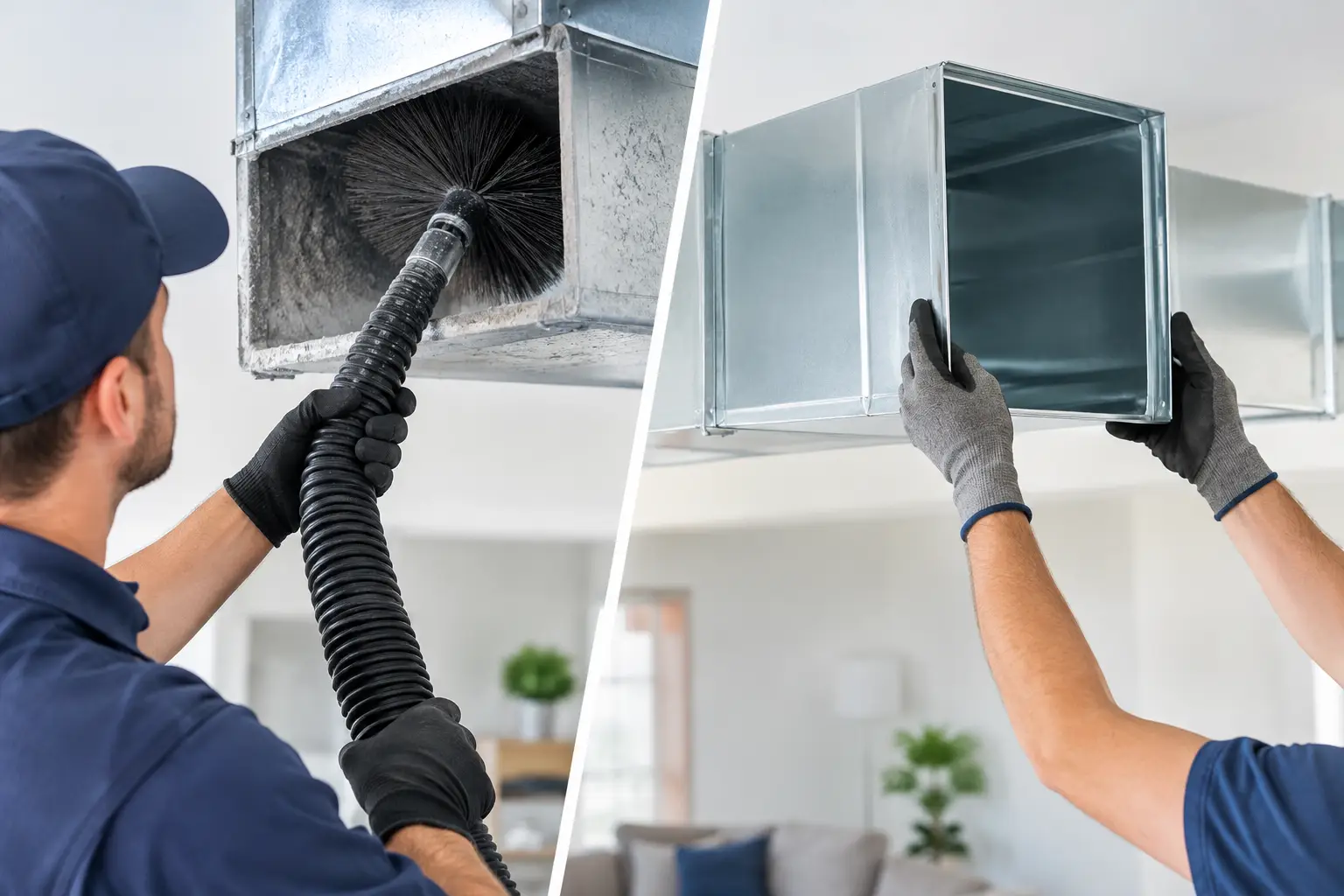
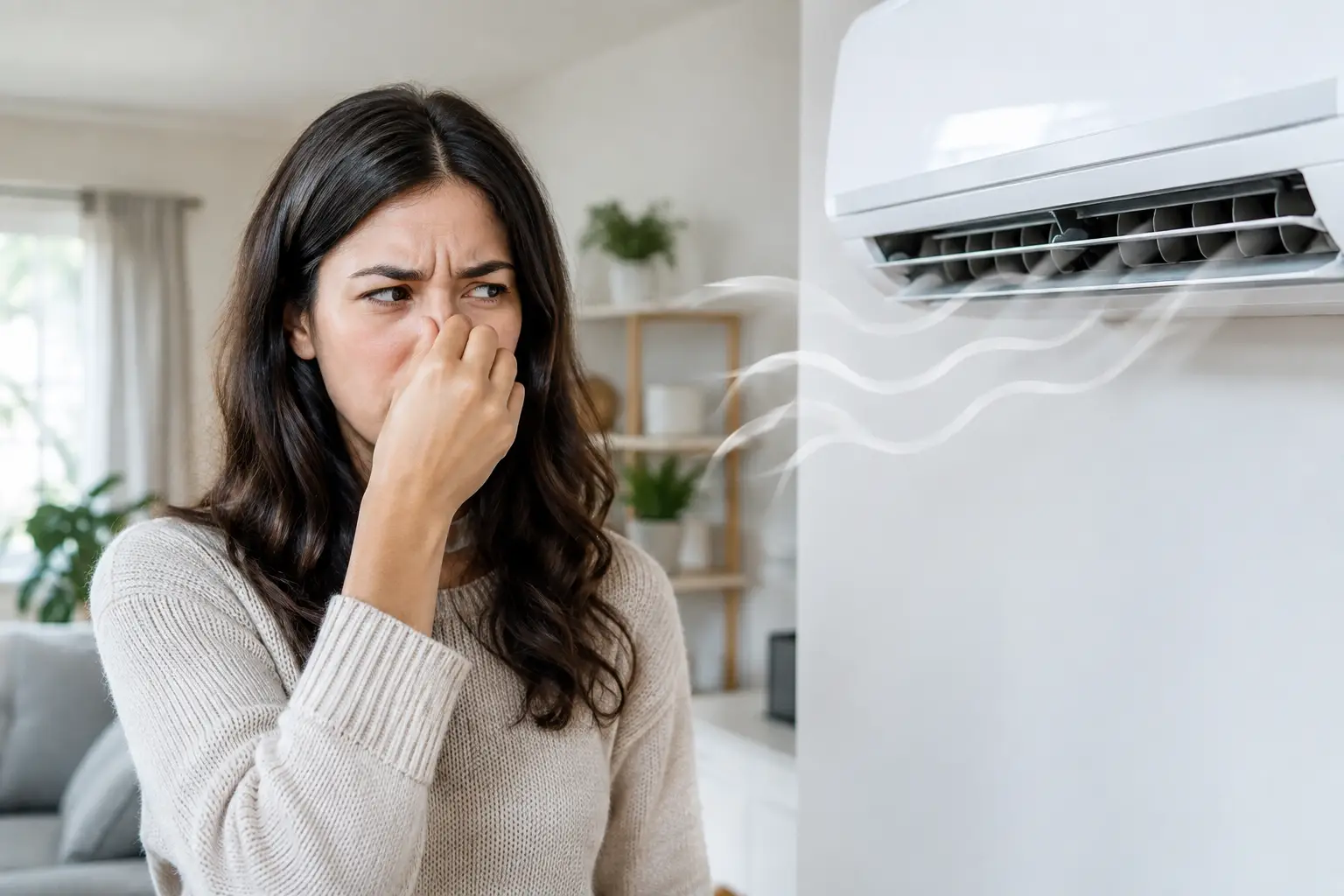
Professional air duct cleaning is worth considering when there is visible debris around registers, dust blows out when the system starts, odors occur during HVAC operation, pests have entered the ductwork, or a recent renovation created heavy construction dust. It can also be a sensible part of home maintenance after water-related issues have been properly assessed and repaired.
A thorough service should include an inspection and specialized equipment designed to remove debris without damaging the system. It should not rely on vague claims or pressure to buy services you do not need. Bob’s Air Duct helps local homeowners and property managers address dust buildup with careful, professional HVAC duct cleaning and straightforward recommendations.
Control Humidity Without Creating New Problems
Humidity affects dust in two ways. Very dry air can leave particles more likely to float and circulate. Excess humidity can encourage mold growth and create conditions where dust mites thrive. For most homes, a relative humidity range of about 35% to 50% is a reasonable target.
A hygrometer can help you understand what is happening indoors. If the house is too dry during winter, a properly maintained humidifier may improve comfort. Clean humidifiers exactly as directed, because neglected units can introduce mineral dust or microbial contaminants into the air. If humidity is consistently high, address bathroom exhaust, basement moisture, roof leaks, or inadequate ventilation rather than relying only on scented products or temporary fixes.
Improve Air Cleaning Where It Matters Most
A portable air cleaner with a true HEPA filter can help capture fine airborne particles in frequently used rooms, bedrooms, or spaces where allergy symptoms are worse. Choose a unit sized for the room, and run it consistently rather than only after dust becomes visible. Place it where air can circulate freely, not behind furniture or tight against a wall.
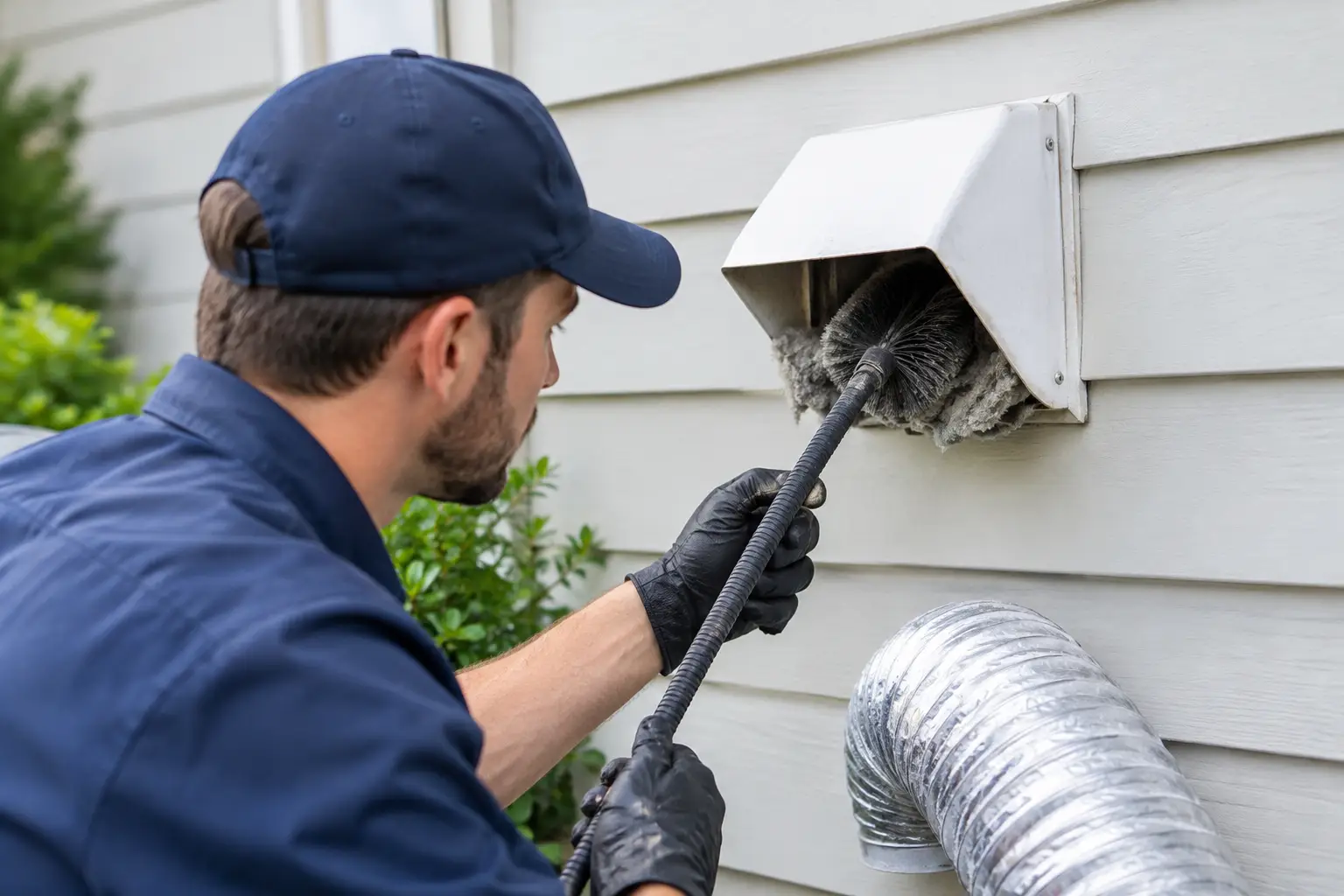
Air cleaners are helpful, but they do not replace filter changes, vacuuming, or source control. They also cannot correct a dirty dryer vent, chimney soot, hidden moisture, or an HVAC system with a maintenance issue. Think of one as an added layer of support.
When dust keeps returning despite regular cleaning, treat it as a maintenance clue rather than a chore you have failed to keep up with. A few focused changes, along with professional help when your HVAC system shows signs of buildup, can make your home easier to clean and more comfortable to enjoy.