When your heating or cooling system runs longer than it should, you feel it twice: first in rooms that never seem comfortable, then on your utility bill. The most effective ways to lower HVAC energy bills are usually not complicated upgrades. They are practical maintenance habits that help your system move air freely, hold the temperature you set, and avoid unnecessary strain.
For homeowners and property managers in Mt. Airy and surrounding Maryland communities, energy savings also depend on timing. A small airflow problem can become much more noticeable during a humid summer stretch or a cold winter week, when the HVAC system has little room to catch up. Start with the improvements that protect comfort now and prevent bigger repair costs later.
1. Replace HVAC Filters Before Airflow Suffers
A clogged air filter is one of the simplest and most common reasons an HVAC system works harder than necessary. As dust, pet hair, and other particles collect in the filter, the equipment must use more energy to pull air through it. Restricted airflow can also leave some rooms warmer or cooler than others.
Check the filter monthly, especially if you have pets, allergy-sensitive family members, or frequent construction dust nearby. Most homes need a replacement every one to three months, but the right schedule depends on the filter type, household activity, and system use. A filter that looks loaded with dust should be changed, even if the calendar says it is early.
2. Set Temperatures for the Hours You Are Home
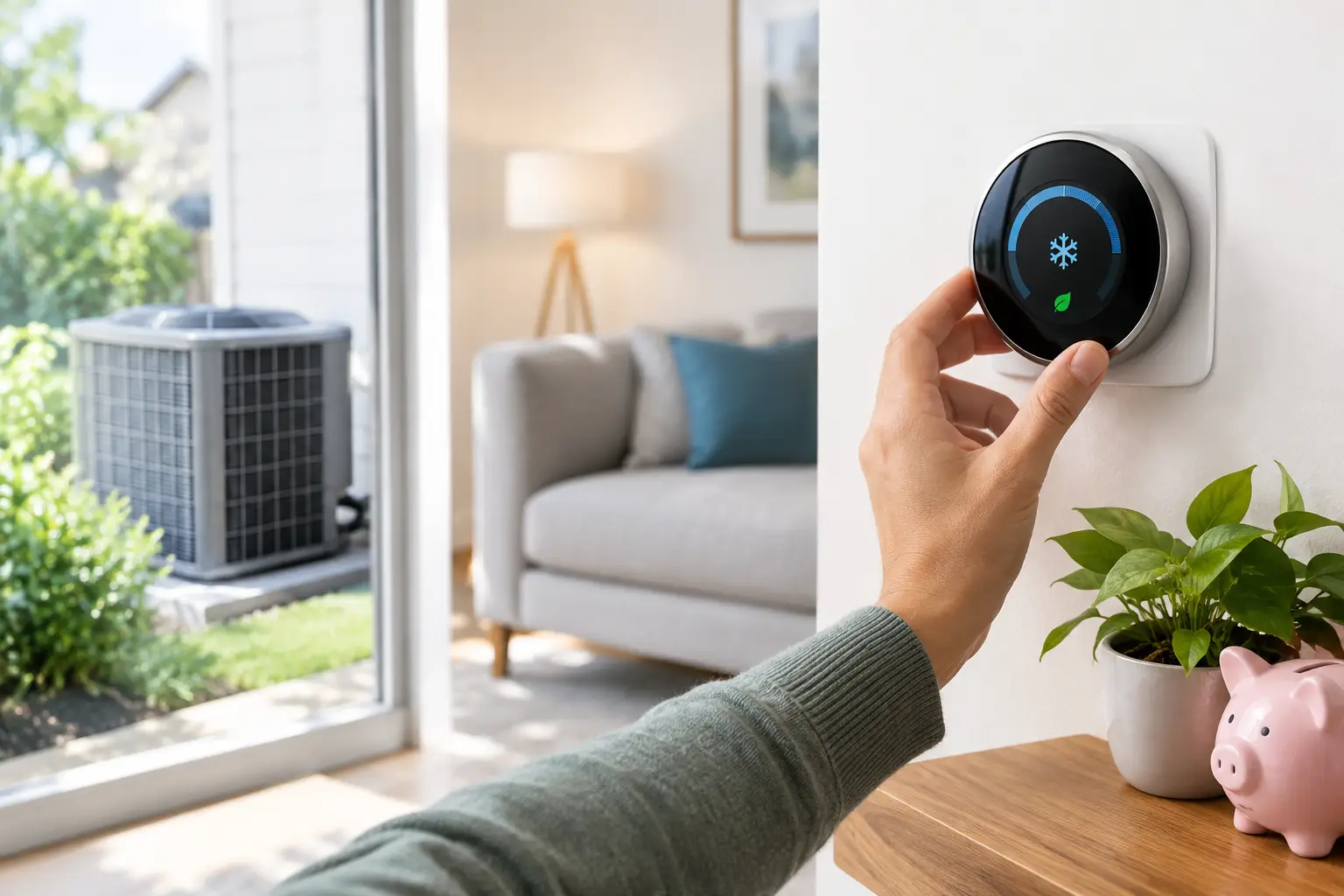
A programmable or smart thermostat can reduce waste without asking your family to sacrifice comfort. Rather than keeping the house at the same temperature all day, set it back when everyone is at work, school, or asleep, then return it to a comfortable setting before the home is occupied.
Avoid dramatic temperature changes. Setting the thermostat extremely low in summer or extremely high in winter will not heat or cool the house faster. It simply asks the system to run longer. A modest adjustment of a few degrees is usually more realistic and easier to maintain.
3. Seal the Gaps That Let Conditioned Air Escape
Your HVAC system cannot efficiently cool or heat air that slips out through gaps around doors, windows, attic penetrations, and poorly sealed duct connections. Drafts can make a home feel uncomfortable even when the thermostat reading seems normal, leading people to adjust the setting and increase energy use.
Weatherstripping, door sweeps, and caulk can make a meaningful difference around obvious leaks. Attic insulation and air sealing are larger projects, but they often pay off when a home is consistently difficult to keep comfortable. If one room always feels different from the rest of the house, consider whether insulation, sun exposure, or an air leak is part of the problem instead of assuming the HVAC unit is at fault.
4. Keep Supply and Return Vents Clear
Furniture, curtains, rugs, and storage bins can quietly block airflow. Supply vents need room to deliver conditioned air, while return vents need open space to pull air back to the system. Closing off too many vents does not reliably save energy. In many systems, it can raise pressure in the ductwork and make the equipment work harder.
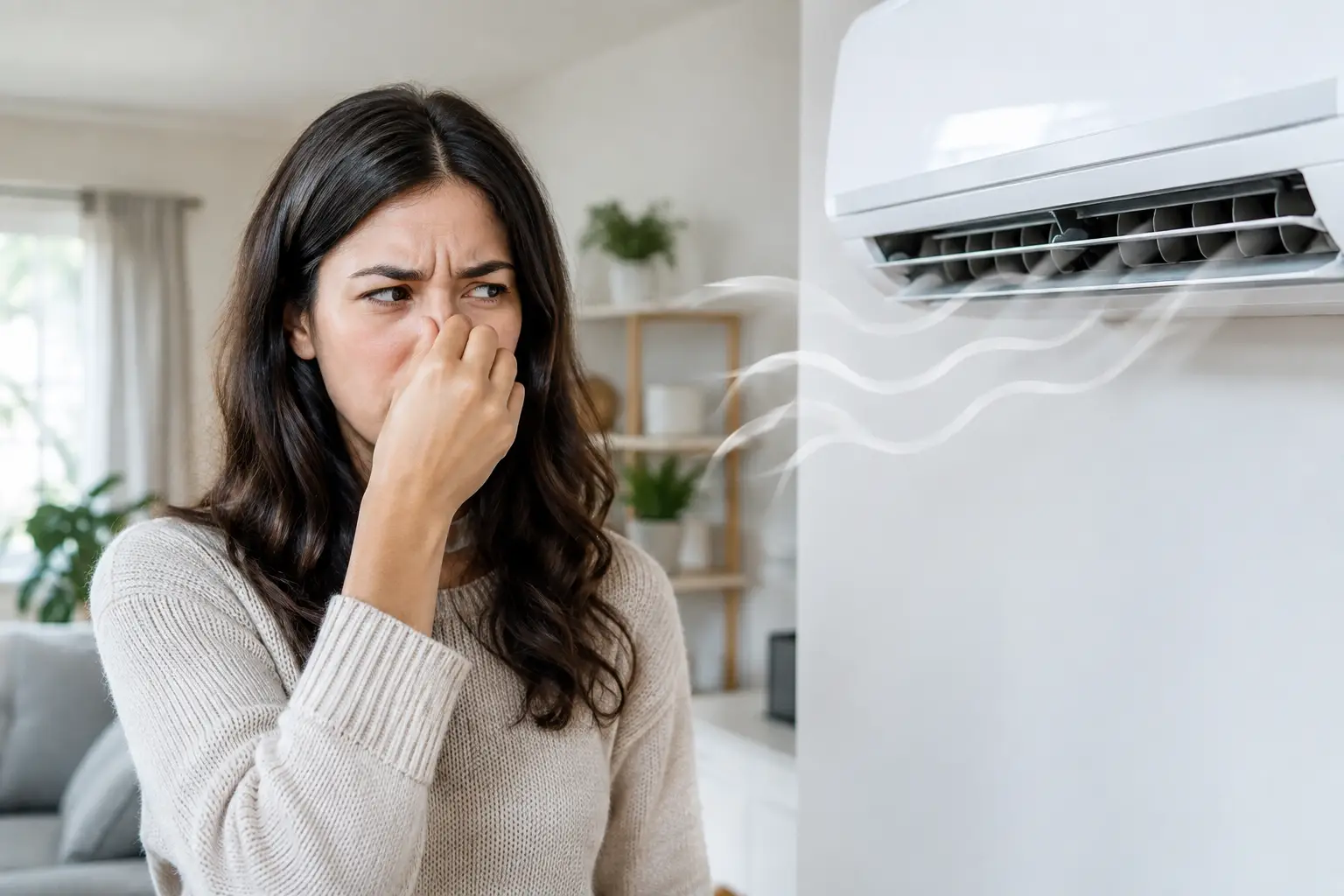
Walk through the home once each season and make sure every major vent has a clear path. Vacuum visible dust from vent covers, but do not push tools or household cleaners deep into the ducts. If vents release dust, produce an odor when the system starts, or have noticeably weak airflow, a professional inspection can identify whether buildup or another issue is limiting performance.
5. Schedule Seasonal HVAC Service
Heating and cooling equipment needs more than a quick glance before the weather changes. A professional tune-up gives a technician the chance to inspect electrical connections, moving parts, drain components, refrigerant performance where applicable, and other details that affect safe, efficient operation.
Preventive service is especially valuable before peak-use months. An air conditioner that is already struggling in spring may run constantly during a July heat wave. Likewise, a furnace with an overlooked issue can become less dependable when winter temperatures fall. Maintenance does not eliminate every repair, but it can catch developing problems before they force the system to waste energy or fail at an inconvenient time.
6. Address Dirty Ductwork When There Are Clear Signs
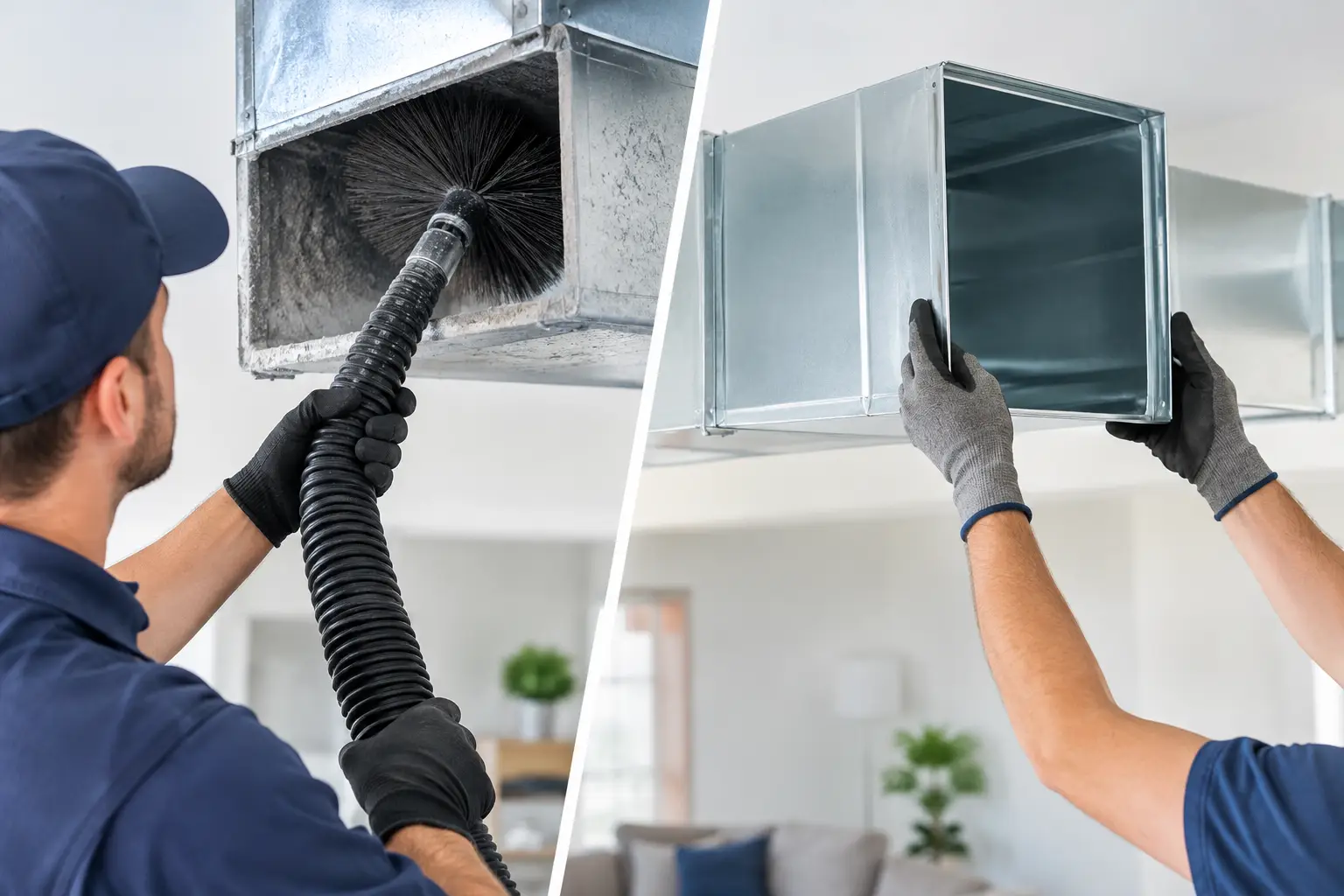
Duct cleaning is not a substitute for changing filters or repairing failing HVAC equipment. It is most helpful when there is a real buildup concern, such as visible dust coming from vents, post-renovation debris, pest-related contamination, persistent odors, or heavy household dust that quickly returns after cleaning.
Clean ductwork supports better airflow and can reduce the debris circulating through your living or work space. It may also help your HVAC system operate with less resistance when contamination is affecting the air path. The results depend on the condition of the ducts and the overall system, which is why a thorough inspection matters more than a one-size-fits-all promise.
7. Use Ceiling Fans the Right Way
Ceiling fans do not lower the room temperature, but they can help people feel more comfortable at a less aggressive thermostat setting. In summer, a counterclockwise fan direction creates a cooling breeze. In winter, a low-speed clockwise setting can help circulate warm air that rises toward the ceiling.
Turn fans off when a room is empty. A fan cools people, not the furniture, and leaving it on in an unoccupied room only adds to your electric use. This is a small habit, but small habits add up over a full cooling and heating season.
8. Protect Your Outdoor HVAC Unit
Your outdoor air-conditioning or heat-pump unit needs space to release heat. Leaves, grass clippings, shrubs, and stored items can restrict airflow around the equipment, causing it to run less efficiently. Keep the area around the unit clear and avoid directing lawn equipment debris toward the coil.
Do not cover an operating unit or build a tight enclosure around it. If you want to improve its appearance, choose landscaping that leaves ample clearance for airflow and technician access. A professional can safely clean dirty coils during routine service, which is preferable to using high-pressure water or harsh products that may damage delicate fins.
9. Do Not Ignore Dryer Vent Problems
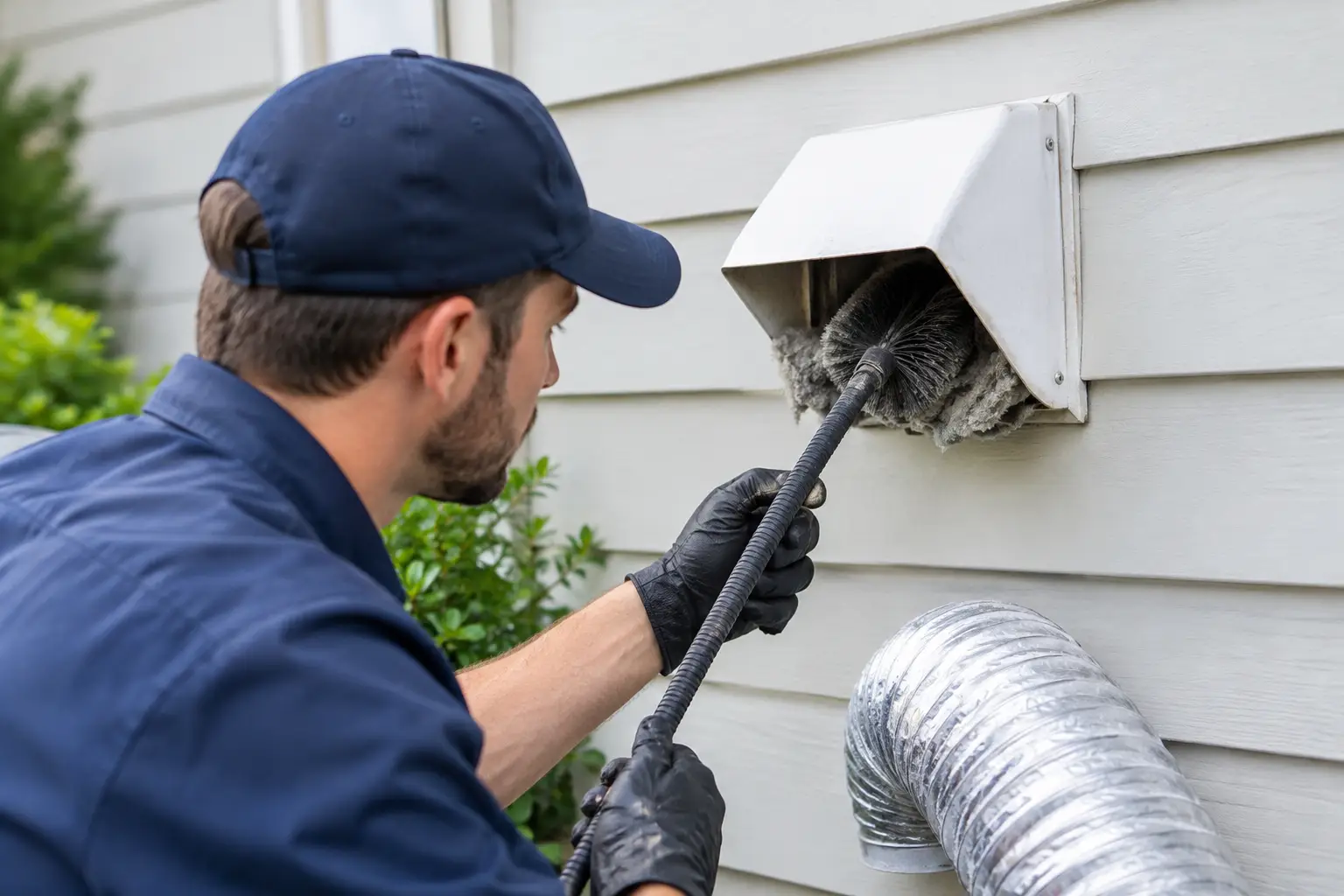
Your dryer is separate from your HVAC system, but it can still contribute to higher household energy costs. A blocked dryer vent forces the appliance to run longer, wastes electricity or gas, and creates a serious fire risk as lint builds up in the vent path.
If clothes take more than one cycle to dry, the laundry room feels unusually hot, or the dryer has a burning smell, stop treating the issue as normal wear and have the vent checked. Professional dryer vent cleaning removes lint and debris from areas that are not safely reached by cleaning the lint screen alone. It protects appliance performance while helping reduce an avoidable household hazard.
10. Know When an Aging System Is Costing More Than It Saves
Even well-maintained equipment eventually becomes less efficient. Frequent repairs, uneven temperatures, rising bills without a clear change in usage, and loud or extended cycles can all point to a system nearing the end of its useful life. Before replacing equipment, ask for a clear evaluation of whether repair, duct improvements, thermostat changes, or replacement is the most sensible path.
A new system can lower energy use, but oversized or poorly installed equipment may still cause comfort problems. Proper sizing, duct condition, insulation, and installation quality all matter. The best decision is based on your home or building, not just the efficiency rating printed on a brochure.
A Cleaner Air Path Can Support Lower Bills
Many ways to lower HVAC energy bills come back to one basic goal: make it easier for your equipment to move clean air where it needs to go. If your home has excess dust, musty odors, weak airflow, long dryer cycles, or an HVAC system that seems to run without delivering comfort, it is worth having the underlying issue inspected.
Bob’s Air Duct provides thorough local duct and dryer vent cleaning to help protect indoor air quality, equipment performance, and peace of mind. A timely inspection can turn a frustrating utility bill into a practical maintenance plan that better protects your home.