A musty smell when the heat turns on, dust returning right after you clean, or uneven rooms can make you wonder whether your ductwork needs more than a routine service. The decision between air duct cleaning versus replacement comes down to what is inside the ducts, what condition the duct material is in, and whether the system can still move air efficiently and safely.
For many Mt. Airy-area homes and small businesses, a thorough professional cleaning is the practical first step. But cleaning cannot repair crushed, leaking, deteriorated, or improperly installed ducts. Knowing the difference helps you protect indoor air quality, avoid unnecessary costs, and make a smart decision for your HVAC system.
When Air Duct Cleaning Is the Right Choice
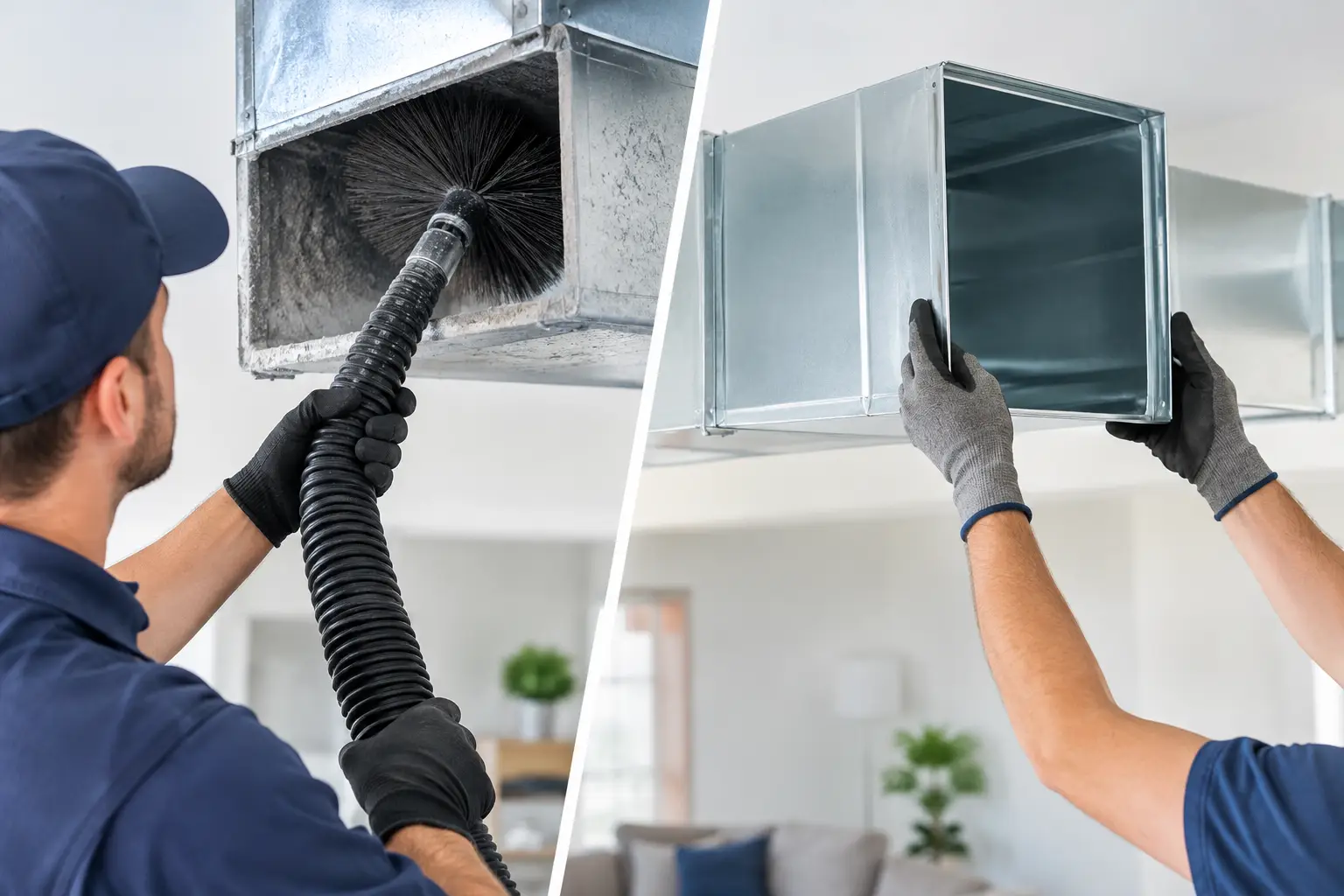
Air duct cleaning removes the buildup that naturally collects inside a working HVAC system. Dust, pet dander, pollen, renovation debris, and other airborne particles can settle in supply and return ducts over time. When the system runs, some of that material may circulate back into your living or working space.
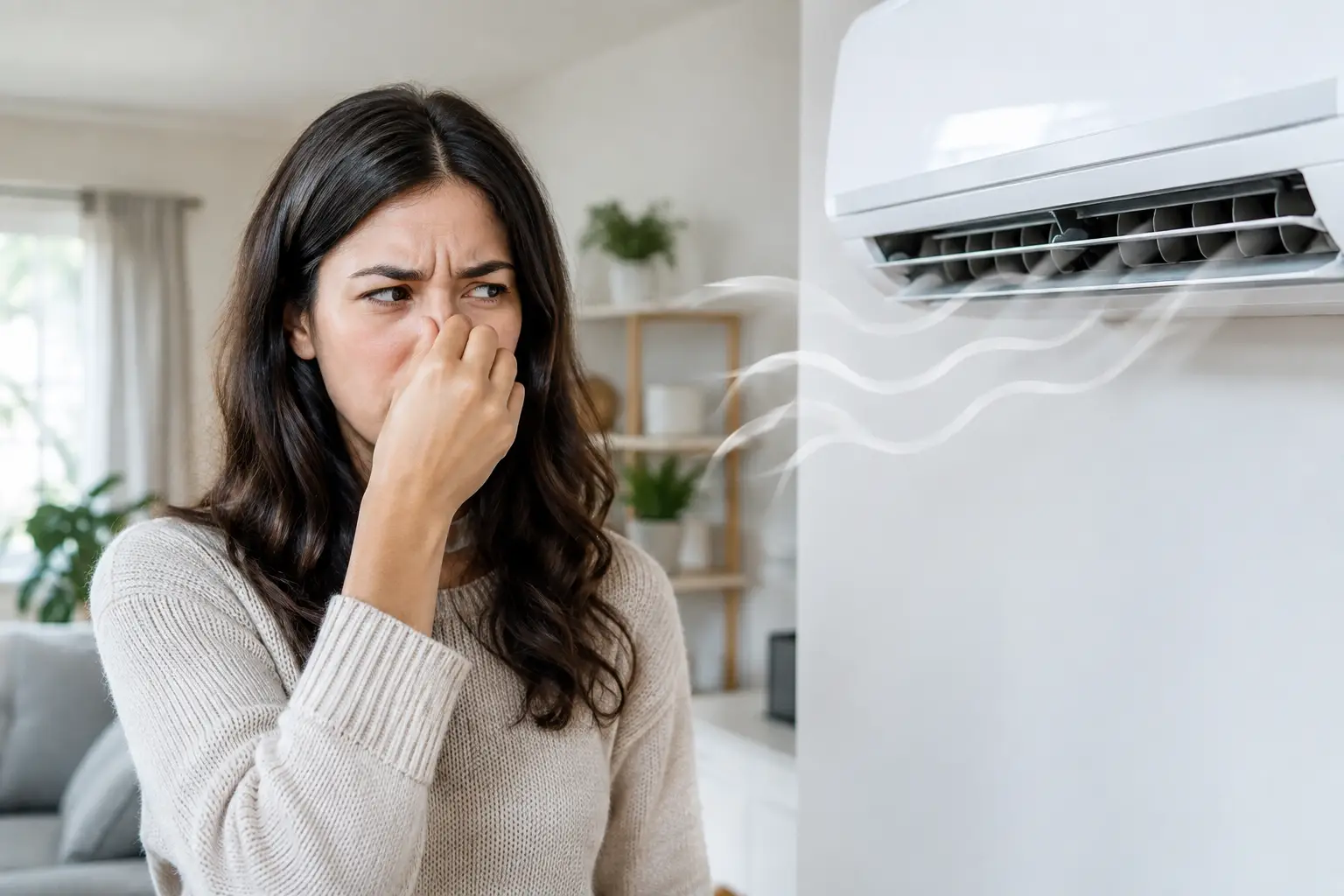
Cleaning is often the right solution when the ductwork itself is intact but visibly dirty or contributing to comfort concerns. You may notice more dust around vents, stale odors when heating or cooling starts, or allergy symptoms that seem worse indoors. Families with pets, young children, allergy-sensitive residents, or frequent visitors may be especially aware of these changes.
A professional cleaning can also make sense after a remodeling project. Drywall dust, sawdust, insulation fibers, and construction debris can find their way into vents, even when contractors take reasonable precautions. Rather than allowing that material to remain in the system, a thorough cleaning removes it from the ducts and related HVAC components that can be safely accessed.
Cleaning is also useful when an inspection finds localized debris, insect remains, or signs of moisture-related contamination on surfaces that can be addressed through proper cleaning. If active moisture or extensive mold growth is present, however, the source of the moisture must be corrected. Cleaning alone will not solve a leak, drainage issue, or humidity problem that continues to affect the system.
What Professional Duct Cleaning Can and Cannot Fix
A quality duct cleaning is not simply vacuuming around the register. Certified technicians use specialized equipment to dislodge and collect debris throughout the accessible duct system while protecting your home or business. The goal is to remove accumulated contaminants without spreading them into occupied areas or damaging HVAC components.
The benefits can be meaningful: cleaner duct interiors, reduced household dust, fresher airflow, and less buildup reaching parts of the heating and cooling equipment. A cleaner system may also help airflow when debris has restricted vents or return pathways.
Still, cleaning has limits. It cannot seal air leaks, reconnect separated duct sections, correct poor duct sizing, repair torn flexible ducts, or restore insulation that has failed. It also cannot compensate for an undersized HVAC unit or a clogged filter that has been neglected for months. If the underlying issue is structural, replacement or repair is the more responsible recommendation.
Signs Replacement May Be Necessary
Duct replacement is a larger investment, so it should be based on a clear condition assessment rather than a sales pitch. Older homes sometimes have duct systems that were installed with materials or methods that no longer provide efficient performance. Ducts can also be damaged by pests, moisture, shifting framing, poor attic conditions, or previous work in the home.
Replacement may be warranted when ducts are badly crushed, torn, rusted, disconnected, or contaminated beyond a reasonable cleaning. Flexible ductwork with a damaged inner liner, for example, may not be a good candidate for aggressive cleaning. Likewise, duct board or insulation that has been extensively wet, deteriorated, or affected by contamination may need to be removed rather than cleaned.
Pay attention to persistent symptoms that return quickly after maintenance. Rooms that are always too hot or too cold, unusually high heating and cooling bills, loud whistling near vents, and weak airflow can point to leaks, restrictions, poor design, or damaged sections of ductwork. These conditions do not automatically mean every duct needs replacement, but they do call for an informed inspection.
A replacement discussion is especially appropriate if the duct system is losing a significant amount of conditioned air in an attic, crawl space, garage, or other unconditioned area. When heated or cooled air escapes before it reaches the room, your HVAC equipment must run longer to maintain the thermostat setting. That wastes energy and can add wear to the equipment.
Air Duct Cleaning Versus Replacement: A Practical Comparison
The simplest distinction is this: cleaning addresses buildup, while replacement addresses failing materials and system design problems. If dust and debris are the concern and the ducts are sound, cleaning is usually the less disruptive and more cost-conscious option. If the ducts are damaged or leaking, putting off repairs can leave you with poor comfort and higher utility costs even after a cleaning.
Consider a home with intact metal ducts that have collected pet hair, dust, and renovation debris. A careful cleaning can remove the material and support cleaner airflow. Now consider a home with sagging flexible ducts in the attic, gaps at connections, and insulation that has been soaked by a roof leak. Cleaning may remove some surface debris, but it will not restore proper airflow or correct the moisture damage. In that case, repair or replacement is the better long-term solution.
Partial replacement is often possible. You may not need to replace an entire duct system when only one run, connection, return duct, or damaged section has failed. A trustworthy technician should explain what was found, show you the affected area when possible, and distinguish between what needs immediate attention and what can be monitored.
Start With an Inspection, Not an Assumption
Homeowners are sometimes told that dirty ducts are the cause of every indoor air or HVAC problem. That is rarely true. Indoor air quality and comfort can be affected by filters, humidity, pet activity, outdoor pollen, carpet and upholstery, ventilation, insulation, duct leakage, and HVAC maintenance.
That is why an inspection matters. Before choosing cleaning or replacement, look for evidence of the actual problem. Are registers coated with dust? Is airflow weak at a particular vent? Are ducts visibly disconnected or damaged? Is there a musty odor only when the system operates? Has there been a leak, pest issue, fire, flood, or major renovation?
A professional assessment should give you straightforward answers. You should understand the condition of the accessible ductwork, the type of buildup present, whether cleaning can reasonably help, and whether another HVAC professional should evaluate repairs or replacement. Clear recommendations protect your budget and help you avoid paying for work that does not address the cause.
Protect the Rest of the System, Too
Ducts are only one part of a healthy indoor environment. Change HVAC filters on the schedule recommended for your system and household conditions. A home with pets or allergy concerns may need more frequent filter changes than a lightly occupied home. Keep supply and return vents open and clear of furniture, rugs, and stored items so air can circulate as designed.
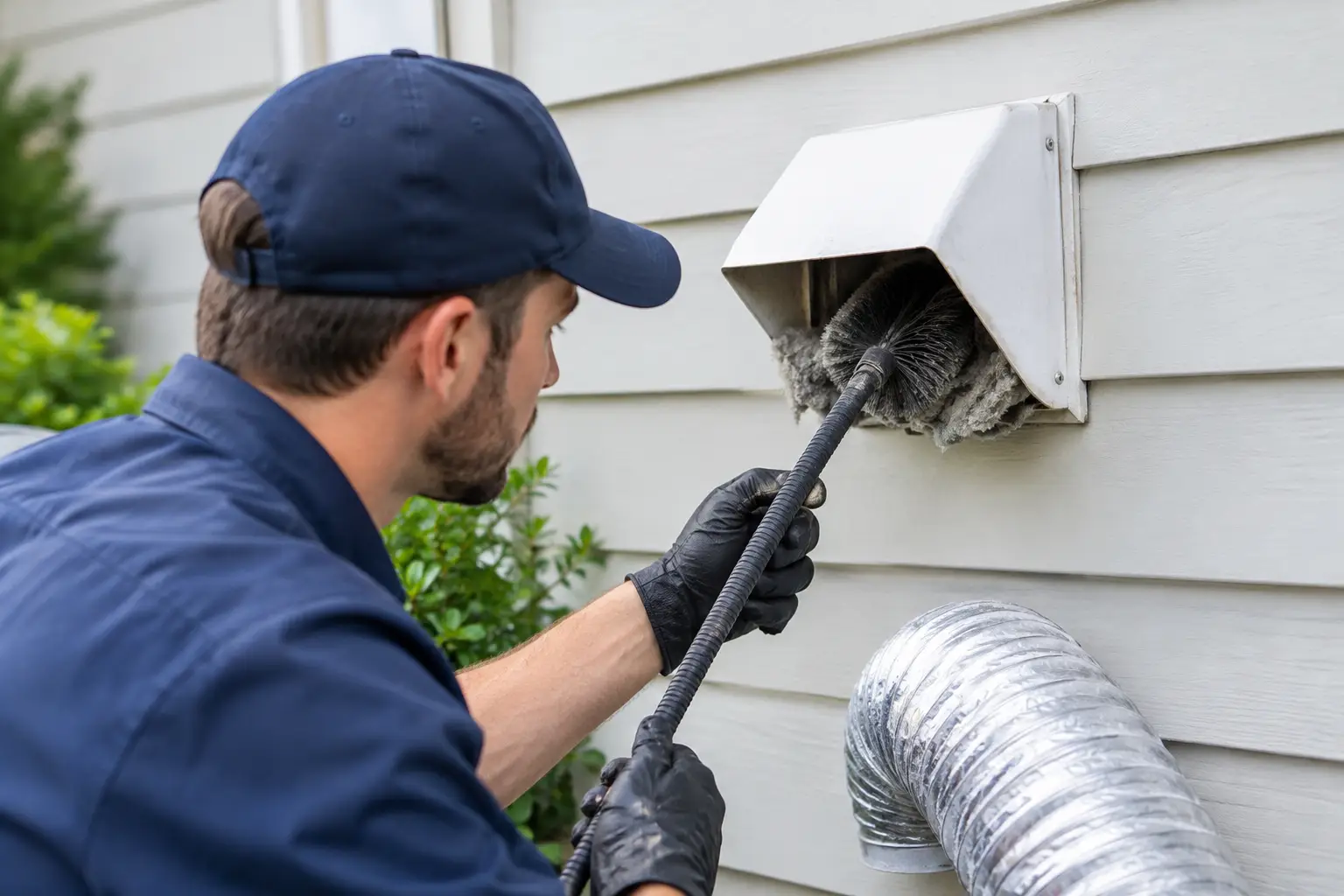
If you notice long drying times, a burning odor, or excess lint around the laundry area, schedule dryer vent cleaning separately. Dryer vents and HVAC ducts serve different systems, and each needs the right equipment and process. Fireplace users should also keep chimney sweeping on their preventive maintenance calendar to reduce soot and creosote buildup that can create a fire hazard.
For property managers, preventive inspections are especially useful between tenants or after construction work. Addressing duct debris, dryer lint, and chimney buildup before a problem becomes urgent helps protect the property, its equipment, and the people who use it.
Make the Choice That Solves the Real Problem
If your ducts are intact but dirty, professional cleaning can be a sensible way to improve the cleanliness of the system and support fresher indoor air. If the ducts are leaking, crushed, wet, deteriorated, or poorly connected, replacement or targeted repair deserves serious consideration. The right answer is not always the biggest job. It is the service that addresses what your property actually needs.
Bob’s Air Duct can help you start with a thorough, respectful evaluation and cleaning recommendation based on visible conditions, not guesswork. A clean, well-maintained ventilation system is one more way to protect your family, property, comfort, and peace of mind.